 2
 3
North Station (Xinhua Road Station, Yuzhong District)
北站(渝中区新华路站)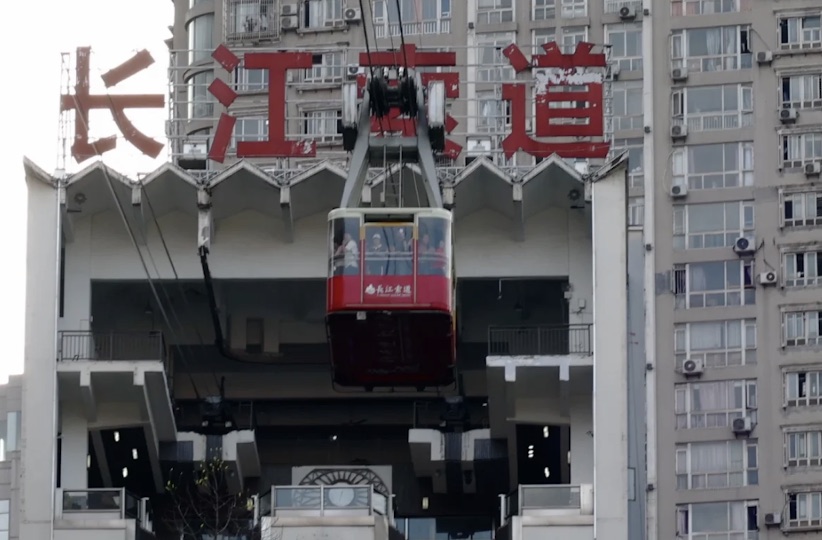
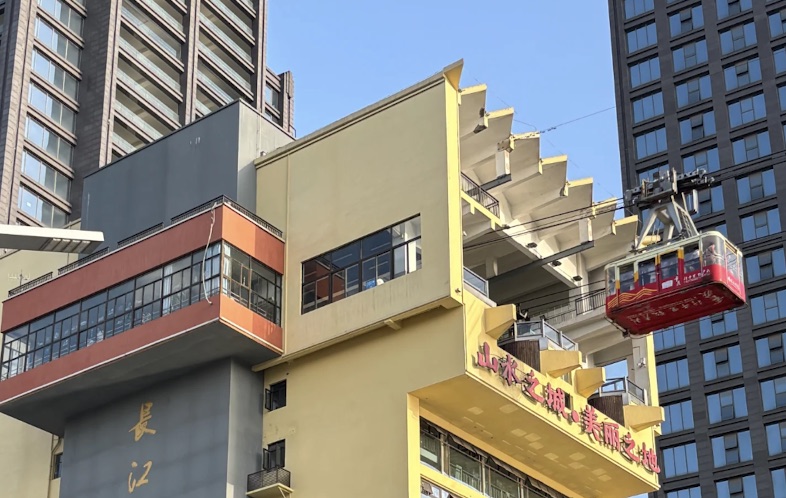
The North Station of the Yangtze River Cableway is located near the intersection of Xinhua Road and Cangbai Road in the Xiaoshizi commercial area of Yuzhong District—the Yuzhong starting station and the preferred departure point for most visitors. The station building is a multi-story cableway complex with a light grey exterior and a prominent red "Yangtze River Cableway" sign that has become one of the iconic elements of the Yuzhong Peninsula skyline. The ground floor houses the ticket hall and waiting area with self-service machines and staffed windows. During peak season, queues can reach one to two hours—advance booking via the official mini-program is recommended. After purchasing tickets, visitors take an elevator to the high-level platform, a semi-open structure enclosed on three sides and open toward the river. A large floor-to-ceiling glass window lets waiting visitors overlook the dense urban fabric of the Yuzhong Peninsula and the rolling mountains of the south bank. The station's greatest advantage is that departing cabins ascend from among the Yuzhong Peninsula's high-rises, cross over the layered city roofline, and suddenly span the Yangtze—the visual transition from "city to river" is spectacular, making it the best starting point for panoramic photos of the peninsula and Yangtze skyline. A cableway history exhibition area beside the station displays archival construction photos and engineering documentation.
Welcome, everyone! Welcome to the Yangtze River Cableway scenic area in Chongqing. Today I will take you from the north station on a journey across the Yangtze River, experiencing this aerial corridor and discovering what makes the mountain city of Chongqing so unique. The north station is located at 151 Xinhua Road, Yuzhong District — the starting point of the cableway and an aerial hub connecting the city's history with its present.
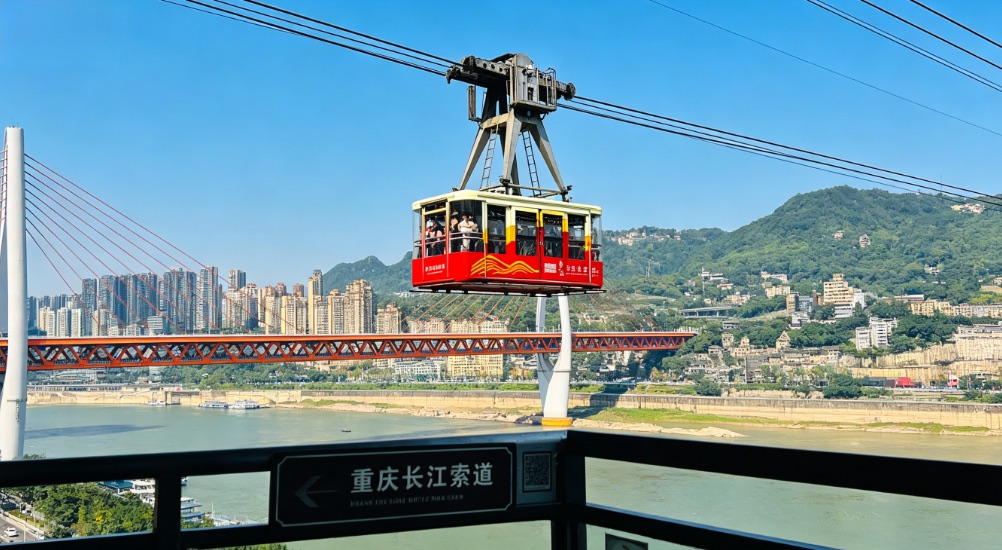
The Yangtze River Cableway was built in 1986 and officially opened on October 24, 1987. It spans 1,166 meters, with a one-way ride of 4 minutes and 30 seconds and a maximum passenger capacity of 65 people. It once served as a vital piece of public infrastructure for crossing the river, carrying tens of thousands of passengers every day. In 2014, as Chongqing's network of river-spanning bridges and rail transit lines expanded, the cableway was converted into a tourist attraction — the only urban sightseeing cableway among 661 cities across China. In 2009 it was designated a Chongqing Municipal Cultural Heritage Site; in 2018 it was rated a National AAAA-level scenic area.
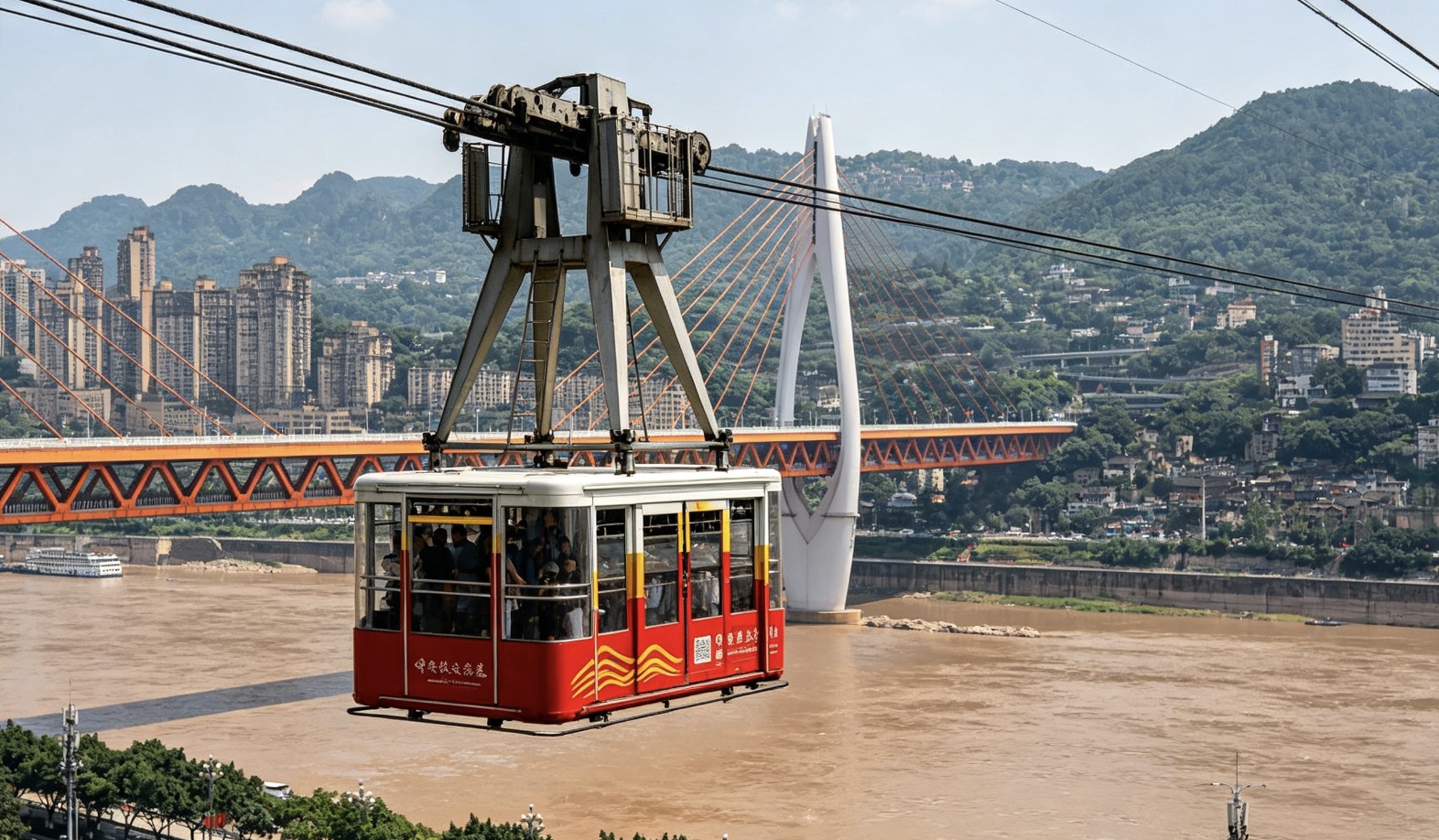
Now, take a close look at the cabin waiting at the platform. The cableway uses a dual-carrier dual-haul system designed to maintain stability in the unpredictable winds that sweep through the Yangtze gorge. As the cabin moves, you will find the ride remarkably smooth — much like riding a city bus at ground level. This is because the engineers developed special anti-sway devices and braking systems specifically for the conditions here: strong winds over the river and complex terrain on both banks.
Around the platform, the bustling face of Yuzhong District surrounds you. Looking west, you can see the skyscraper cluster of Jiefangbei Central Business District — the commercial and financial heart of Chongqing. Looking east, Chaotianmen Dock and the "sails" of Raffles City Chongqing come into view, a building complex that rises over 350 meters and is shaped like sails catching the wind off the river. Behind the platform, the residential towers of Bai Xiang Ju interact with the cableway in a quirky visual dance — the film Better Days was shot here.
Before boarding, please take note of the safety signs on the platform. The cabin has large panoramic windows on both sides to give passengers an unobstructed view. Please hold the handrails and keep your head and hands inside the cabin at all times. We are now about to board and begin our aerial crossing of the Yangtze River.