Xujiahui Origin Scenic Area — Introduction
I. Overview of the Scenic Area
Xujiahui Origin Scenic Area is located in Xuhui District, Shanghai, covering approximately 2.4 square kilometres. In 2012 it was designated a national AAAA-level tourist attraction, the first open-plan urban tourist area in Shanghai. The scenic area extends east to Wanping Road, south to Puhuitang Road, west to Wending Road and north to Guangyuan West Road, and is made up of three main sections: historical and cultural landscape, fashionable and vibrant shopping, and green leisure and recreation.
The name Xujiahui originates from the descendants of the Ming dynasty scientist Xu Guangqi, who settled here; the name itself refers to its location at the confluence of waterways. During the Ming and Qing dynasties, Xu Guangqi conducted agricultural experiments and wrote his scholarly works here, and his books such as the Complete Treatise on Agricultural Administration and Elements of Geometry had a profound influence on modern Chinese science. In the mid-nineteenth century, Western missionaries successively established a library, a public school, an observatory, an orphanage and other institutions here, forming a cultural community that brought together education, science, religion and art. More than two hundred years of accumulation made Xujiahui an important birthplace of Shanghai culture, bearing six cultural "calling cards": a century of education, a century of meteorology, a century of recorded music, a century of cinema, a century of architecture, and a century of craftsmanship.
II. Names of the Attractions in the Scenic Area
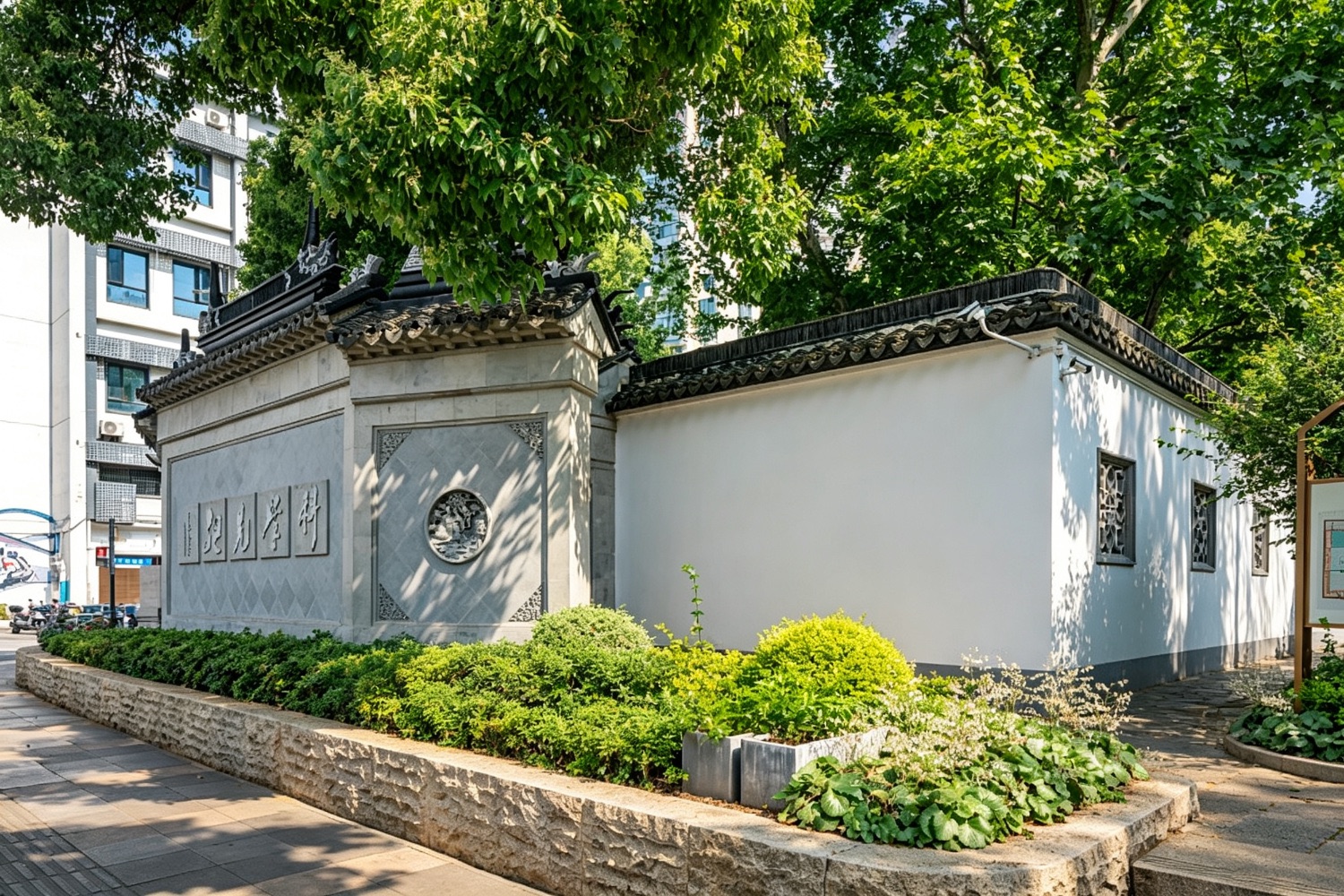
- Xujiahui Academy
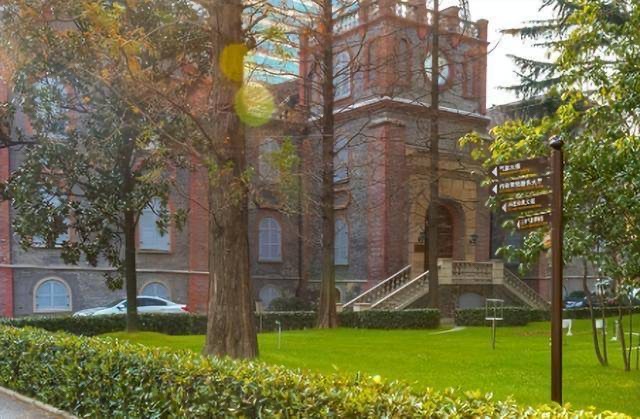
- St. Ignatius Cathedral of Shanghai
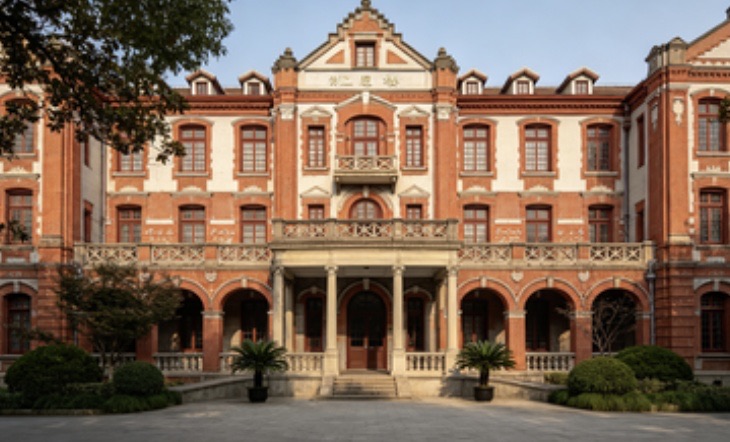
- Shanghai Meteorological Museum (Former Xujiahui Observatory)
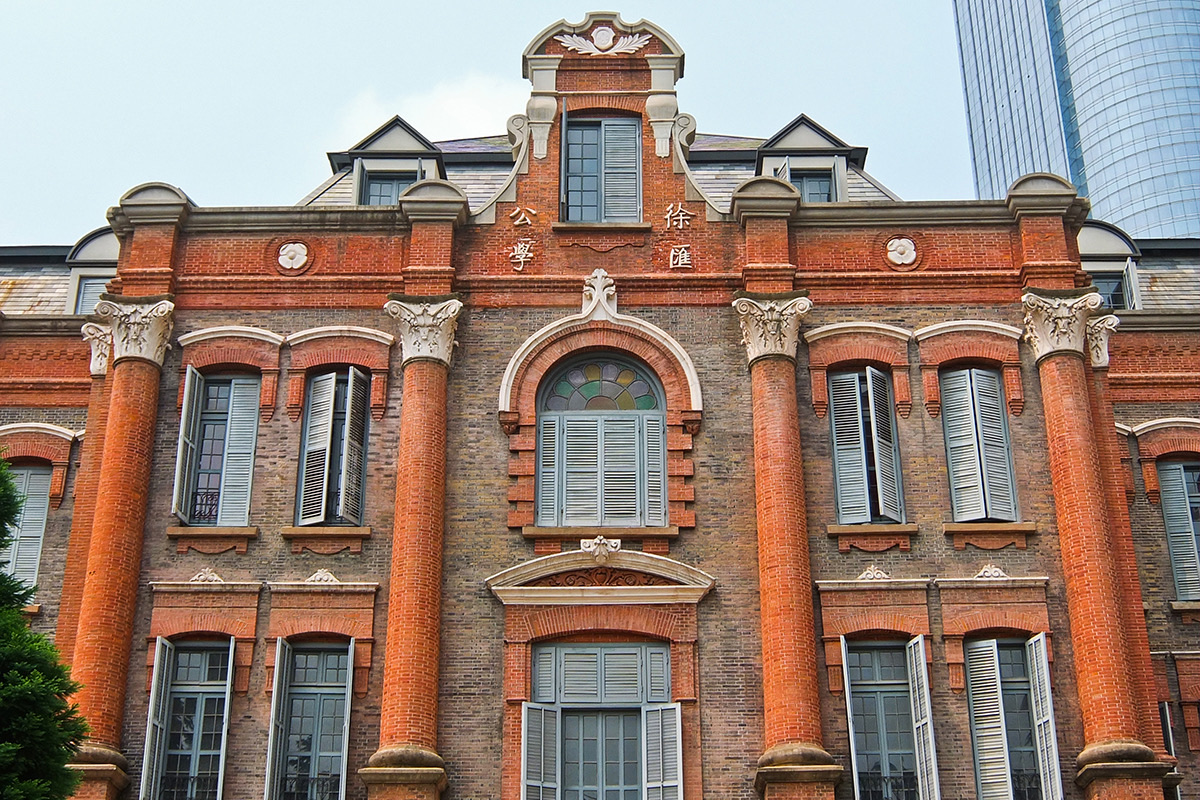
- Former Site of Xuhui Public School (Chongsi Building)
- EMI Building (Memorial Hall of the Recording Site of March of the Volunteers)
- Shanghai Film Museum
- Guangqi Park and Xu Guangqi Memorial Hall
- Tushanwan Museum
- Former Site of Notre Dame (Shanghai Old Station Restaurant)
III. Introductions to the Attractions
1. Xujiahui Academy
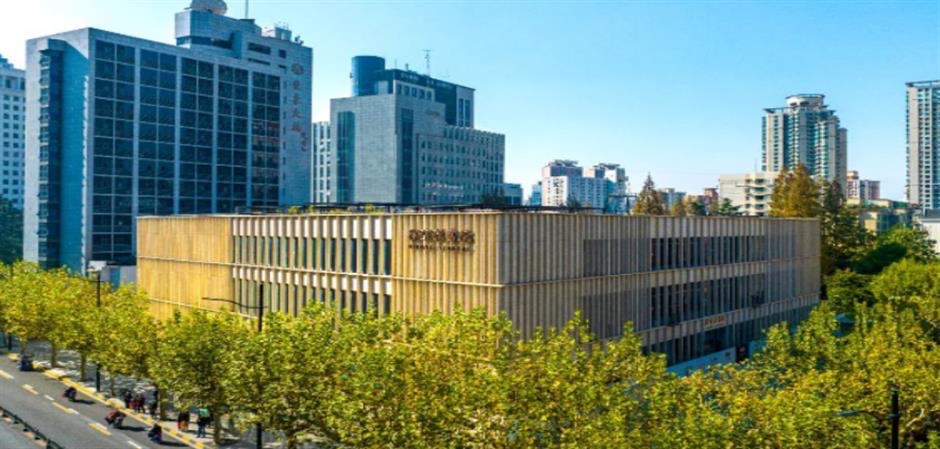
Xujiahui Academy officially opened to the public in 2023. It is a composite cultural space combining document reading, exhibitions and lectures, art appreciation, a cultural-creative market, and tourist information. The building was designed by the renowned architect Yu Ting, its façade combining fair-faced concrete with a glass curtain wall, and its central atrium featuring the signature "Liangnuo" art installation. The Academy holds a rich collection covering history, Shanghai-style culture, modern art and more, and is the contemporary cultural landmark of the Xujiahui Origin Scenic Area.
2. St. Ignatius Cathedral of Shanghai
St. Ignatius Cathedral was begun in 1906 (the thirty-second year of the Guangxu reign of the Qing dynasty) and completed in 1910 (the second year of the Xuantong reign). Designed by French architects in the French Gothic Revival style, the cathedral faces east, with a cruciform plan and a twin-tower façade about fifty metres high, red-brick walls accented with bands of grey brick, and an interior arcade of thirty-six columns in typical Gothic pointed-arch bays. It is the largest Catholic church in Shanghai, once hailed as the "Far East's Greatest Cathedral," and in 2013 it was listed as a Major Historical and Cultural Site Protected at the National Level.
3. Shanghai Meteorological Museum (Former Xujiahui Observatory)
The Xujiahui Observatory was completed in 1872, the first observatory on the Chinese coast, founded by the French Catholic Jesuits. The building is in typical Renaissance style, a three-storey fair-faced red-brick structure topped with a weather vane and lightning rod. The observatory carried out continuous meteorological observation from 1873, and in 1879 it issued the first typhoon warning in Chinese history. In 2012 it was certified by the World Meteorological Organization as a "Centennial Climate Station." It is now the Shanghai Meteorological Museum, presenting the history of Shanghai's meteorological development and its collection of meteorological documents to the public.
4. Former Site of Xuhui Public School (Chongsi Building)
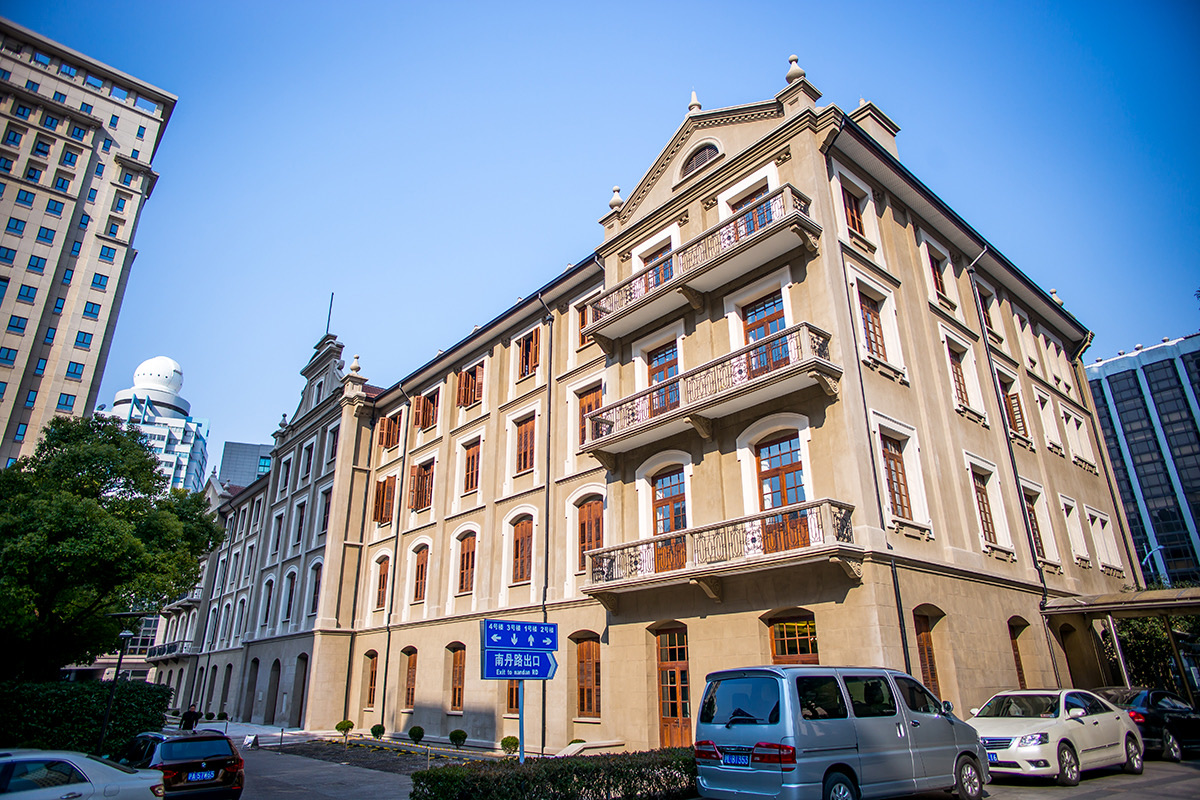
Xuhui Public School was founded in 1850 (the thirtieth year of the Daoguang reign of the Qing dynasty) by the Catholic missionary Claude Gotteland, one of the earliest schools in modern Shanghai established on the Western model, with the French name "Collège Saint-Ignace Zi-ka-wei." The surviving Chongsi Building was built in 1918 in the French Renaissance style, a three-storey brick-and-concrete structure with a floor area of about 3,000 square metres, fair-faced red-brick walls and window lintels decorated with white stone — exquisite and refined in its detail. The Chongsi Building is a Shanghai Municipal Protected Cultural Site, bearing witness to the history of modern Chinese-Western educational exchange.
5. EMI Building (Memorial Hall of the Recording Site of March of the Volunteers)
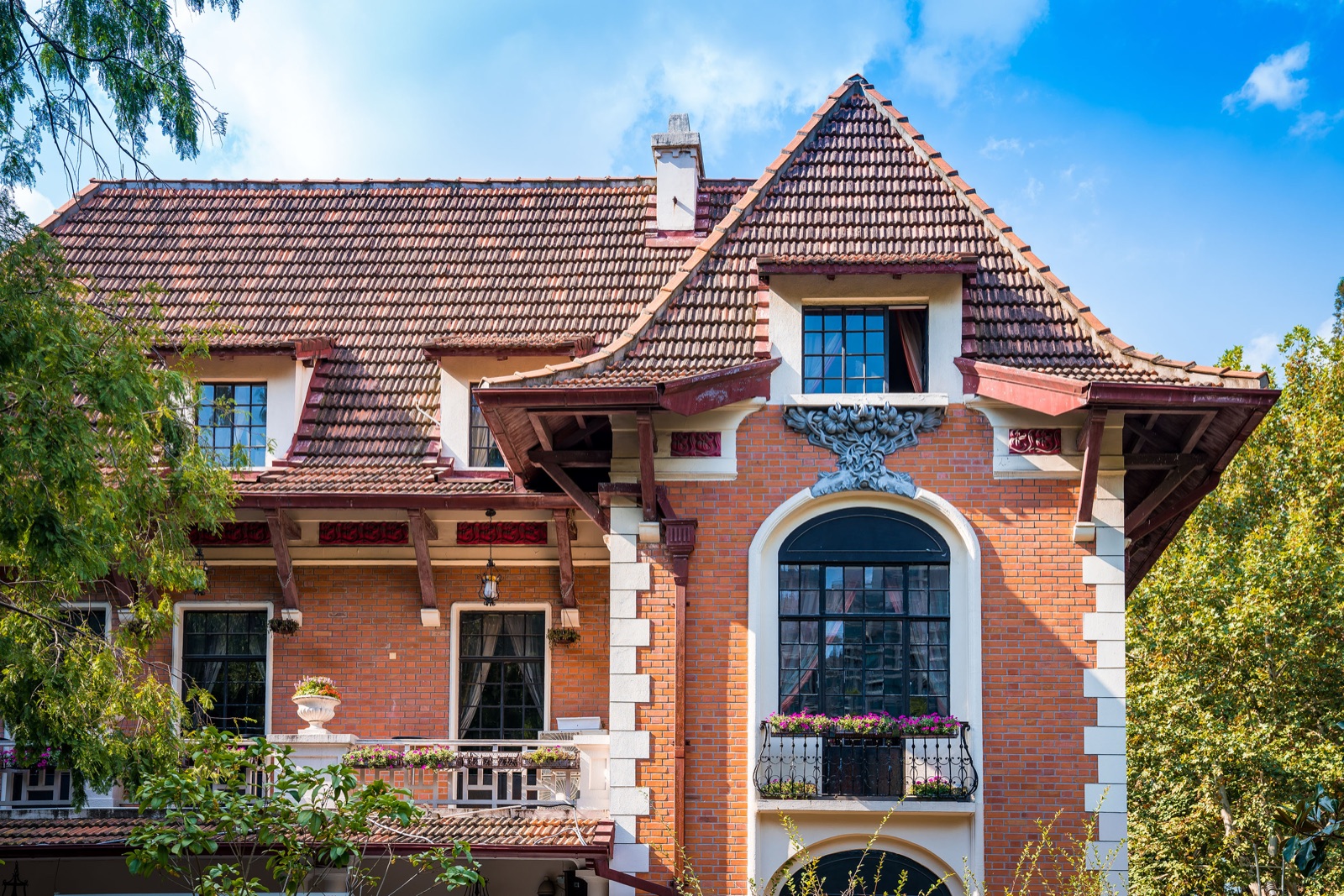
The EMI Building was built in 1921, a three-storey brick-and-concrete structure with a steeply sloped roof of red flat tiles, its façade chiefly of fair-faced red brick interspersed with white render, in a typical French architectural style. It was originally the premises of the Pathé Orient record company, the birthplace of Chinese recorded music. On 3 May 1935, the theme song of the film Children of Troubled Times, March of the Volunteers, was recorded here, later becoming the national anthem of the People's Republic of China. It is now the Memorial Hall of the Recording Site of March of the Volunteers, open to the public free of charge, an important "red culture" landmark of the Xujiahui Origin Scenic Area.
6. Shanghai Film Museum
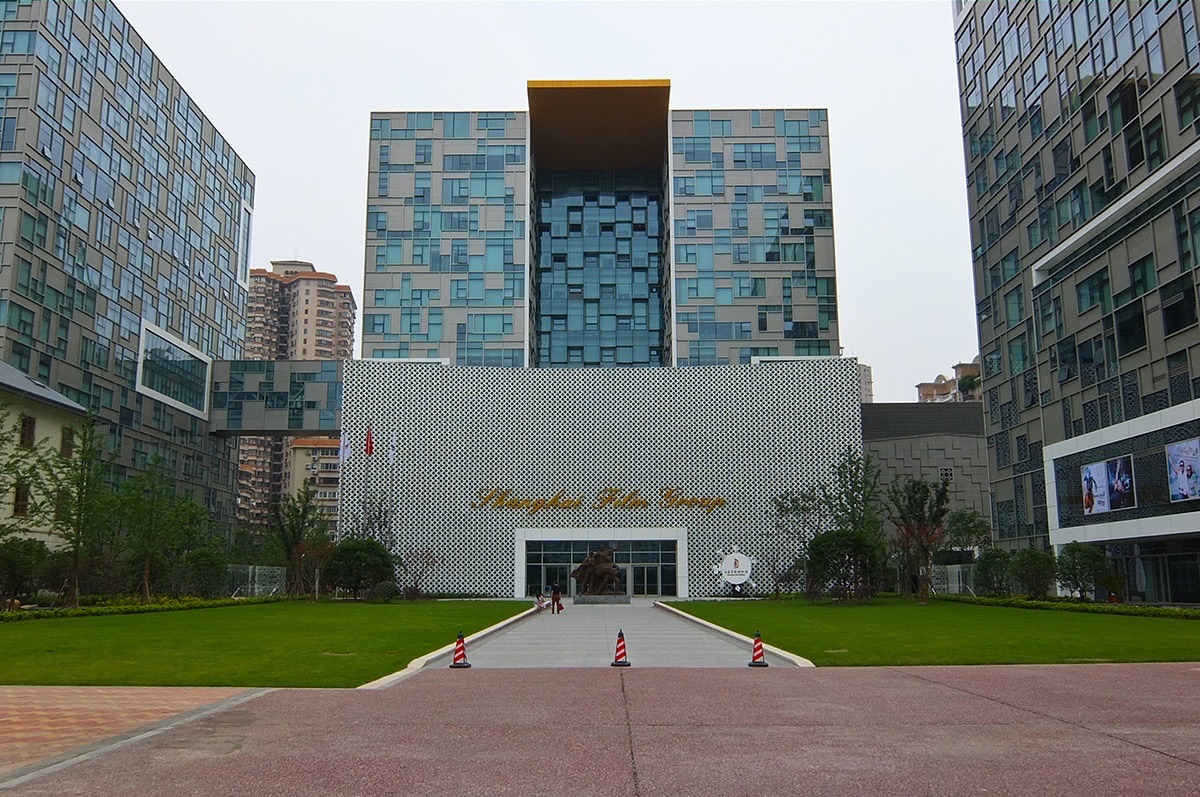
The Shanghai Film Museum is located at No. 595 Caoxi North Road, and officially opened in 2013. With an exhibition area of about 15,000 square metres, it is a thematic museum presenting a century of Chinese film history in depth. The museum has four main themed sections: the River of Film History, Memories of Light and Shadow, the Film Workshop, and the Hall of Honour, with a collection of more than 3,000 exhibits covering manuscripts, props, costumes and equipment. The building itself is the former headquarters of the Shanghai Film Group, and its top-floor viewing platform overlooks a panorama of the Xujiahui commercial district — an important window onto the history of the birthplace of Chinese cinema.
7. Guangqi Park and Xu Guangqi Memorial Hall
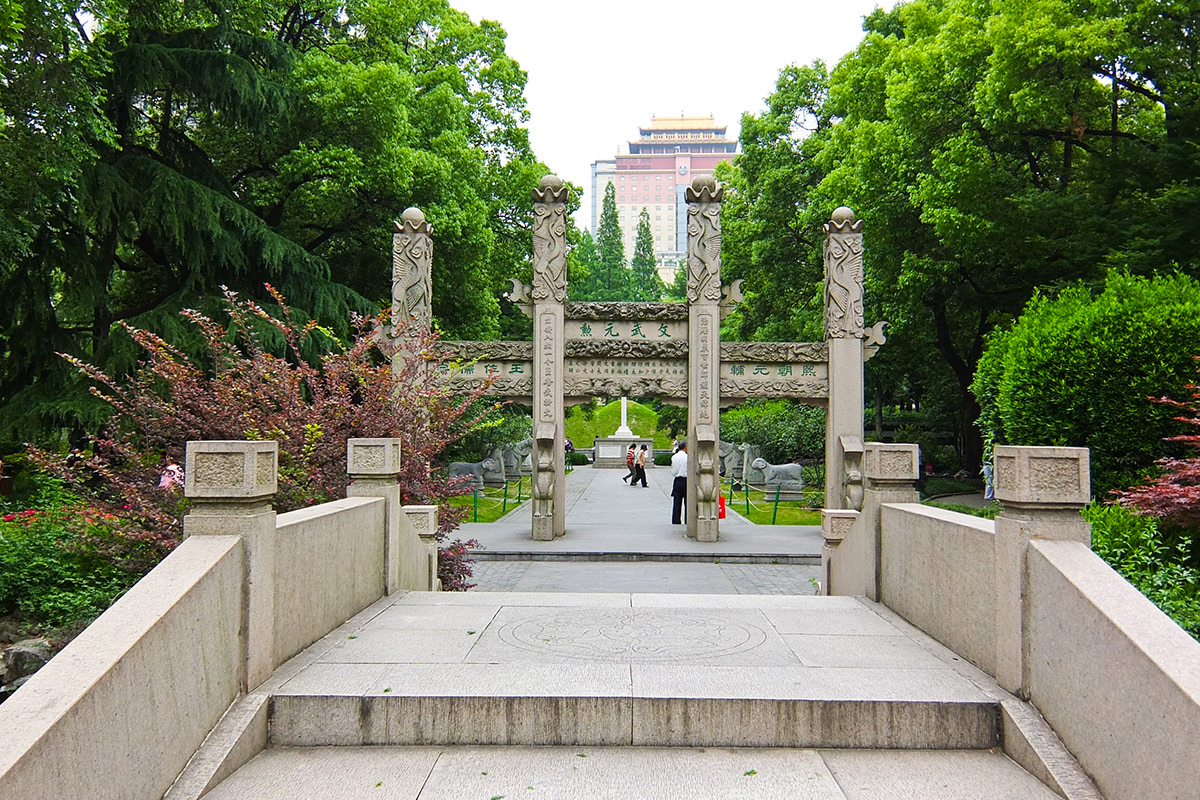
Guangqi Park is named after the Ming dynasty scientist Xu Guangqi, and within it stands the tomb of Xu Guangqi, a Major Historical and Cultural Site Protected at the National Level. Stone figures such as stone horses and stone sheep stand on either side of the tomb path, and the tombstone is inscribed "Tomb of Lord Xu Wending, the Late Ming Grand Master for Splendid Happiness, Grand Tutor to the Heir Apparent, and Grand Academician of the Wenyuan Pavilion." The Xu Guangqi Memorial Hall was created by relocating the Ming dynasty "Nanchunhua Hall" to this site, and officially opened in 2003. The hall is divided into two main parts, "The Life of Xu Guangqi" and "Scientific Achievements," displaying Xu Guangqi's works such as the Complete Treatise on Agricultural Administration and Elements of Geometry along with related documents, systematically presenting the life and contributions of this "pioneer who looked out upon the world."
8. Tushanwan Museum
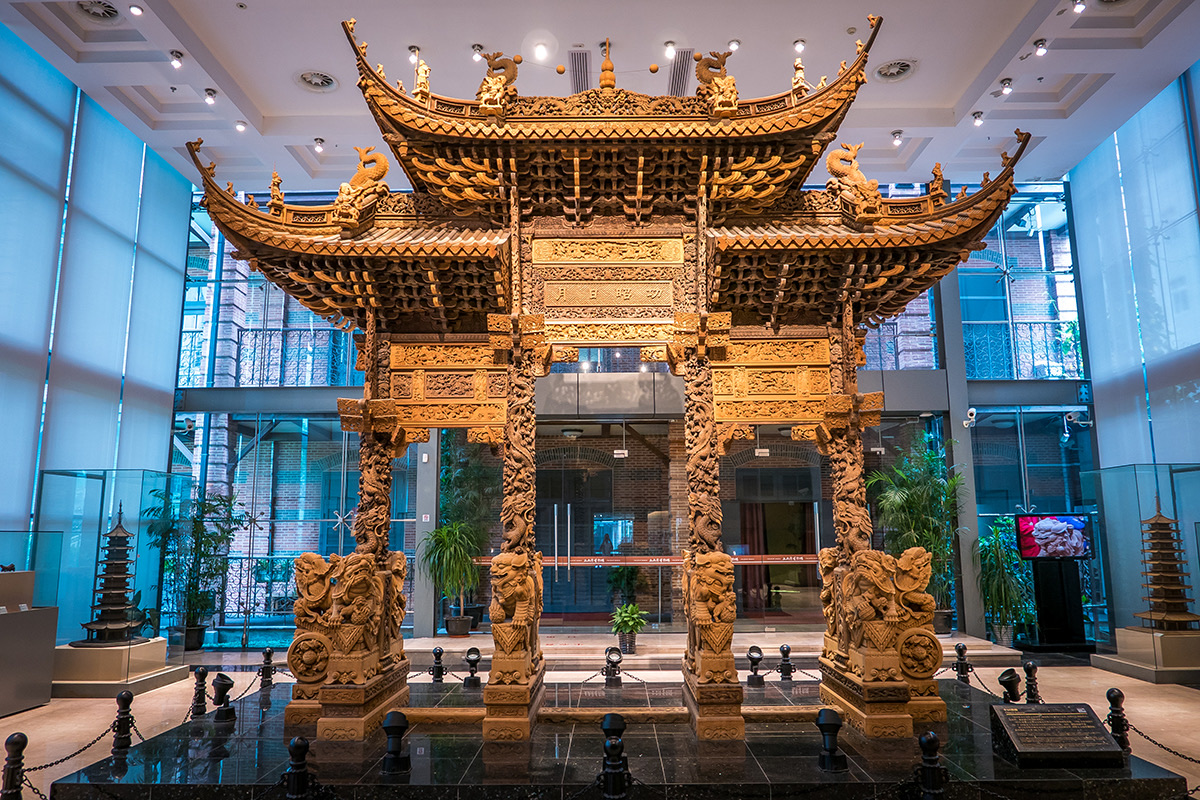
The Tushanwan Museum stands on the site of the Tushanwan Orphanage, founded in 1864, an important witness to modern Chinese-Western cultural exchange. The orphanage had workshops for woodwork, metalwork, painting, printing and more, training a great many craftsmen and artists, and is hailed as the "cradle of Western painting in China." The museum's most famous exhibit is the "Chinese Pailou" archway, which was exhibited at the 1915 Panama-Pacific International Exposition, later lost overseas, and finally returned after much effort. Through a rich collection of artefacts and historical materials, the museum comprehensively presents Tushanwan's important place in modern Chinese-Western cultural and artistic exchange.
9. Former Site of Notre Dame (Shanghai Old Station Restaurant)
The Notre Dame convent was founded in 1843 (the twenty-third year of the Daoguang reign of the Qing dynasty) on the initiative of the Jesuit missionary Xue Kongzhao, and from 1868 onward convents such as the Society for the Dying and the Society of the Presentation were successively established near Xujiahui, collectively named the Xujiahui Convent of Notre Dame. The surviving building was constructed in 1926, a five-storey reinforced-concrete structure in European style. After the nuns moved away at the end of the last century, the building was put to other uses, and it is now leased by the Shanghai Old Station Restaurant, which houses two antique train carriages: one built by the Hanover Railway Carriage Works in Germany in 1899, the other by the Yekaterina Railway Carriage Works in Russia in 1919.
9 stops, in walking order — read top to bottom, no clicking needed.

 2
 3
 4
 5
 6
 7
 8
 9