Tianzifang
Overview
Tianzifang is located at Lane 210, Taikang Road, Huangpu District, Shanghai. It stretches from Taikang Road in the south to Jianguo Middle Road in the north, bordered by Sinan Road to the east and Ruijin 2nd Road to the west, covering 7.2 hectares in total with a core area of about 2 hectares known as the "three lanes and one zone." The district was originally called Zhichengfang, with a history traceable to the Jiajing reign of the Ming dynasty — nearly five hundred years ago. In the late nineteenth century it fell within the French Concession, combining a French administrative quarter, a Shikumen alleyway residential area, and a lane factory zone. In the early twentieth century it became an industrial district focused mainly on textiles and tanning. In 1998, the Shanghai-based American painter Chen Yifei was among the first artists invited to set up a studio here, and he was soon followed by Er Dongqiang, Wang Jieyin, and others. Old factory buildings and Shikumen dwellings were gradually converted into painters' studios, design offices, galleries, and creative spaces. In 2001, the painter Huang Yongyu coined the name "Tianzifang" for Lane 210, Taikang Road — a near-homophone of Tian Zifang, the painter mentioned in the ancient text Zhuangzi, suggesting a place where artists converge. Tianzifang was included in Shanghai's first batch of creative industry clusters in 2005 and was rated a national AAA tourist attraction in 2010. It integrates Shikumen alley residences, remnants of lane factories, and contemporary creative arts, preserving an unbroken development thread from a traditional Jiangnan village to a mixed Chinese-foreign community and then to a lane-factory community — making it one of the richest repositories of cultural heritage among Shanghai's historic neighbourhoods.
Attractions
One — Taikang Road Main Entrance Gateway
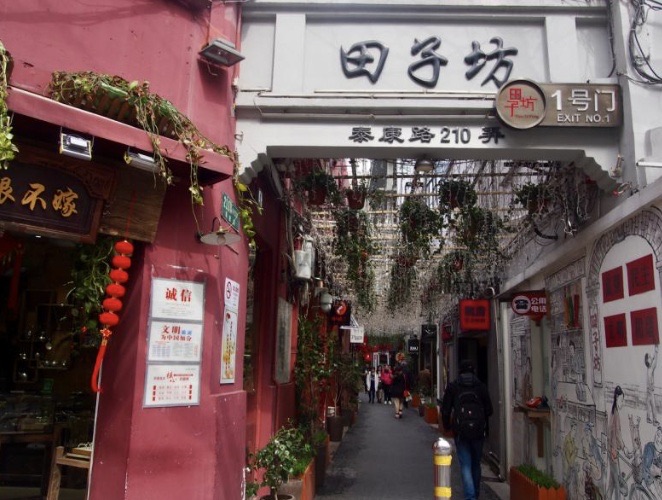
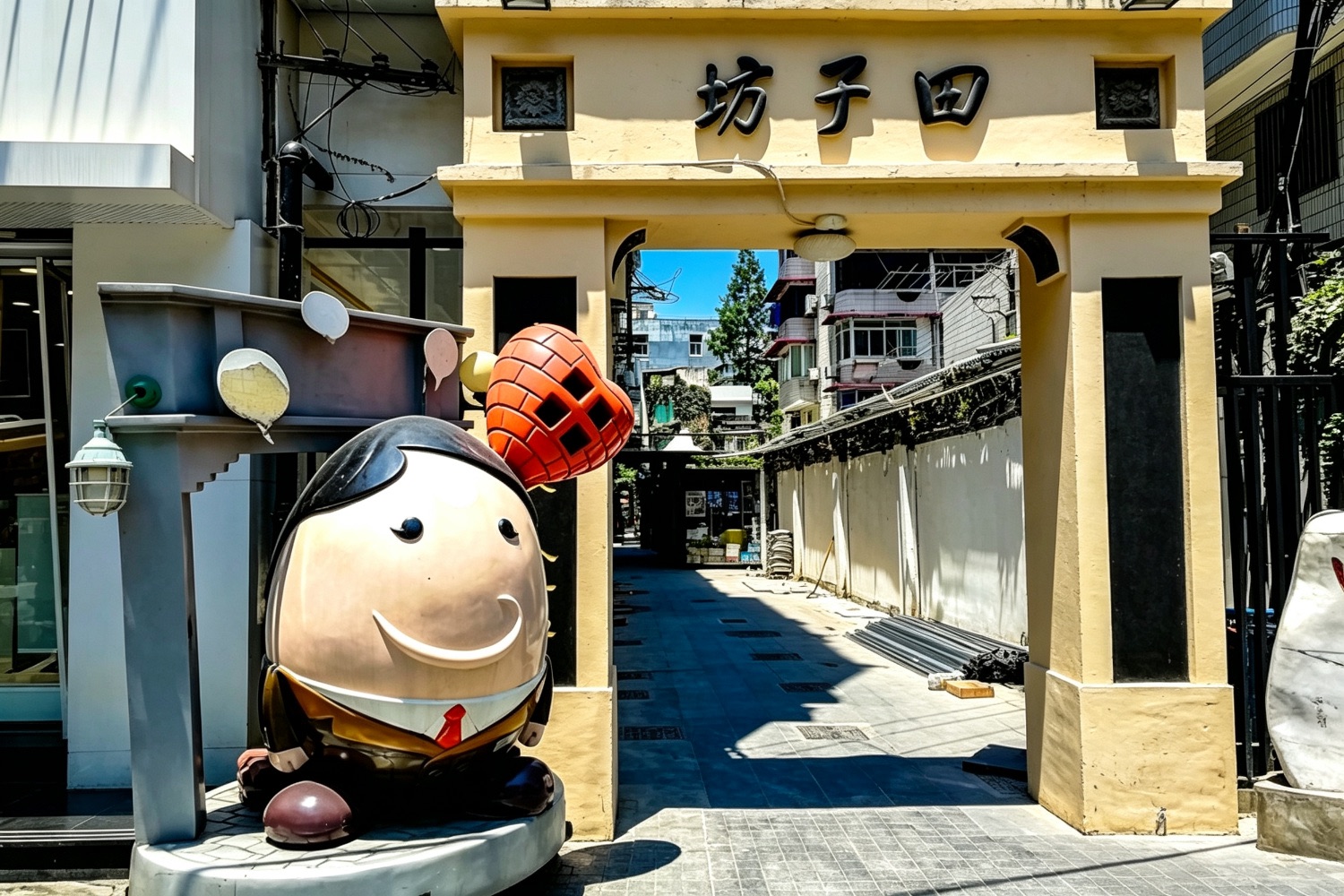
The main entrance to Tianzifang is at Lane 210, Taikang Road. A signature gateway arch and a stone tablet bearing the name "Tianzifang" mark the starting point of the visit. The arch fuses Shikumen lintel elements with contemporary design, and the red brick walls on either side echo the lanes stretching deep inside. Free maps of the district are available at the entrance, and a bronze plaque summarising Tianzifang's history is set into the wall beside the alleyway opening. This spot is one of the most popular photo locations, especially in the early morning when the light is soft.
Two — Shikumen Lilong Architecture Complex
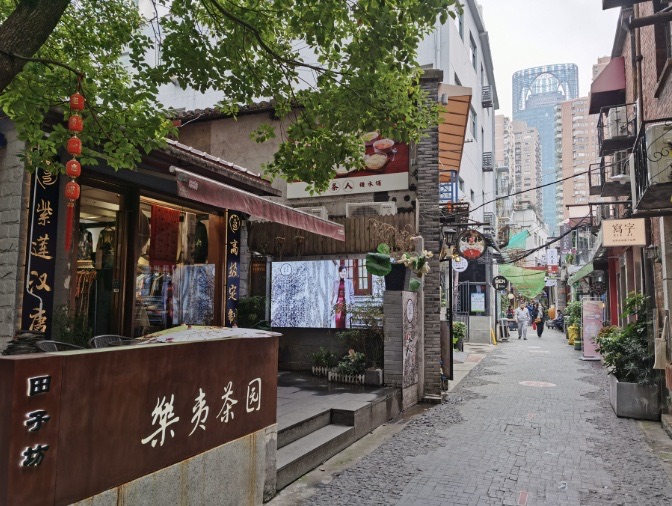
The core of Tianzifang preserves one of Shanghai's most complete ensembles of Shikumen lane housing. Stone-framed doorways are crowned with elaborately carved lintels, and interiors follow the traditional layout of courtyard, main hall, and side rooms. The Zhichengfang gateway arcade, built in 1933, retains its original Shikumen lintel and the original alley proportions. The narrowest lane is just 1.8 metres wide. Residents still live here alongside the galleries and cafes, and green mailboxes from the 1980s remain in daily use — creating a unique texture where everyday life and artistic creativity coexist.
Three — Former Site of Chen Yifei's Studio
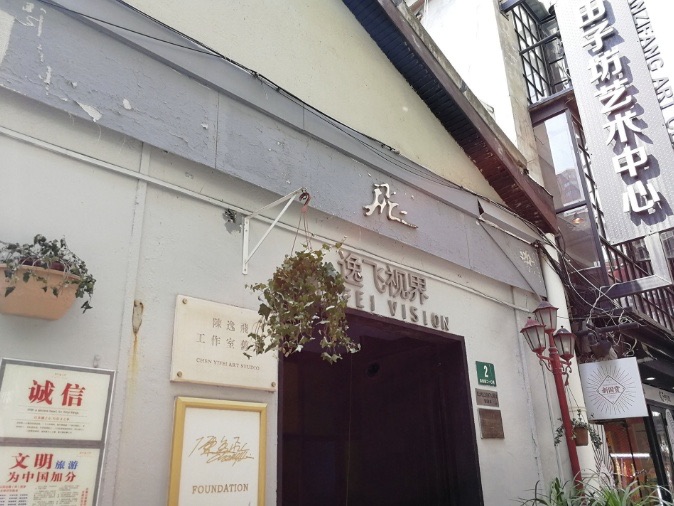
Located inside Lane 210, Taikang Road, this two-storey timber building was formerly the Haihua Tannery. In 1998, Chen Yifei was invited to move in and became one of the first artists to establish a studio in what would become Tianzifang. He created the bronze sculpture Girl of the Orient and the Pudong sundial here, among other representative works. The building retains its original aged character; the fireplace in the rest room still functions. An adjacent exhibition space, the Yifei Art Gallery, displays porcelain and celebrated paintings and calligraphy reflecting China's cultural heritage.
Four — Shoubai Art Center
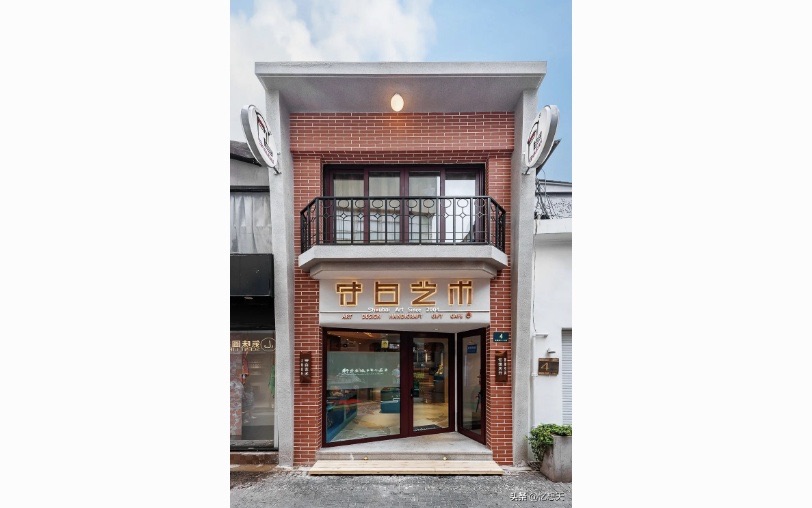
Shoubai Art Center is a multi-function space combining exhibitions, hands-on experiences, and sales, focusing on Shanghai-style polychrome painting and Shanghai-style paper-cutting, alongside contemporary oil paintings and ink works. Signature pieces such as Shikumen — Spring of Four Seasons and Echoes of Memory capture Shanghai alleyway life and urban change with vivid colour and refined brushwork. The centre's founder, Li Shoubai, is an inheritor on the Shanghai Municipal Intangible Cultural Heritage List and a leading figure in Shanghai's Haipai art scene. Paper-cutting workshops and art salons are held here throughout the year.
Five — Painter's Building Rooftop
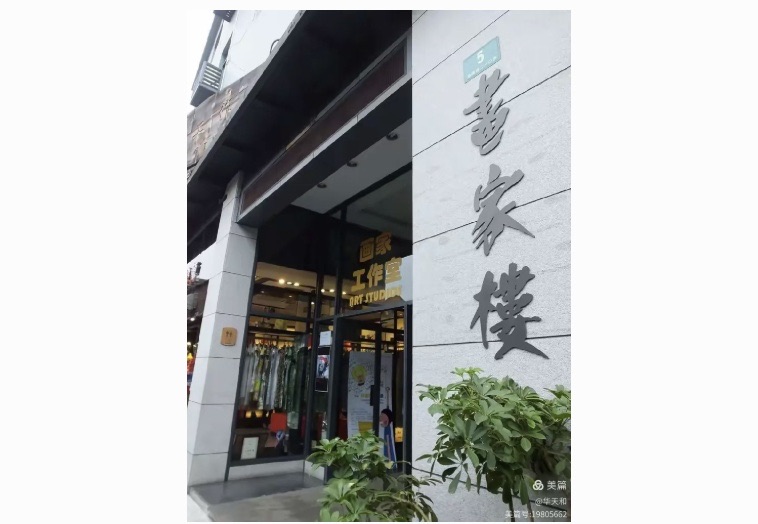
The Painter's Building traces its origins to 1935, when it was the Kangfu Weaving Factory; it later became the Shanghai Watch Parts Factory before being transformed into a cluster of artists' studios in 1998, hosting Chen Yifei and more than ten other noted artists. The rooftop is an open space above the Shikumen structures, offering a panoramic view over Tianzifang's alleyways and the surrounding city skyline. It is the best vantage point in the district to take in the textured roofscape of old Shanghai and to feel the pulse of alleyway life below.
Six — Scent Library
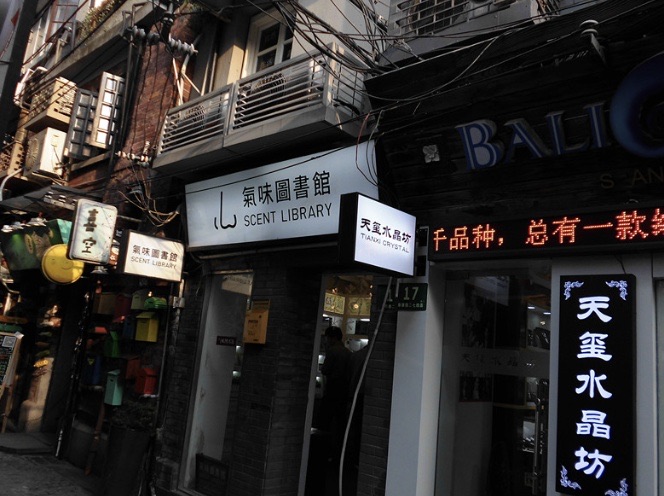
The Scent Library occupies the second floor above the rear entrance at Number 16, Tianzifang. Its interior mixes industrial design with Shikumen elements, and the display counters are set with test tubes and beakers, nodding to the brand's concept of "scientific perfumery." Founder Lou Nanshi established Scent Library in 2009 around the idea of "connecting scents" — translating everyday scenes and emotions into fragrance. Inside, visitors can explore themed scent experiences and search for their own personal "Shanghai smell." It is one of the most immersive sensory spaces in Tianzifang.
Seven — Golden Family
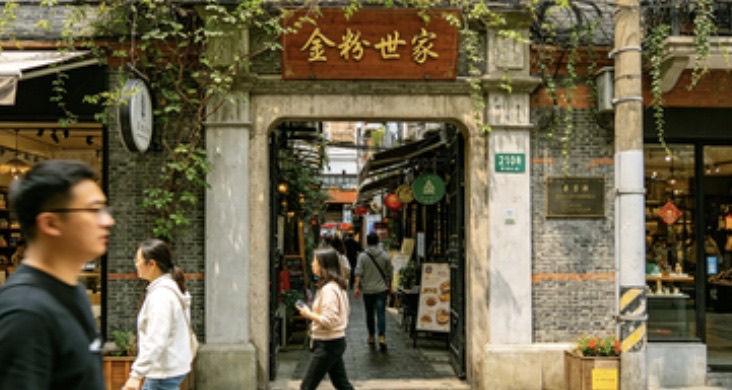
Golden Family is a themed cultural and creative shop inspired by Zhang Henshui's novel of the same name. The store sells Republic-era-style clothing, jewellery, bookmarks, and notebooks, while recreating classic scenes from the novel — the Jin family parlour and the bookroom of Cold Autumn — so visitors can step into the world of an aristocratic Republican household. Carefully chosen vintage furniture and period posters fill every corner, making it one of Tianzifang's most literary and most-photographed spaces, especially popular among younger visitors.
Eight — Lane 248
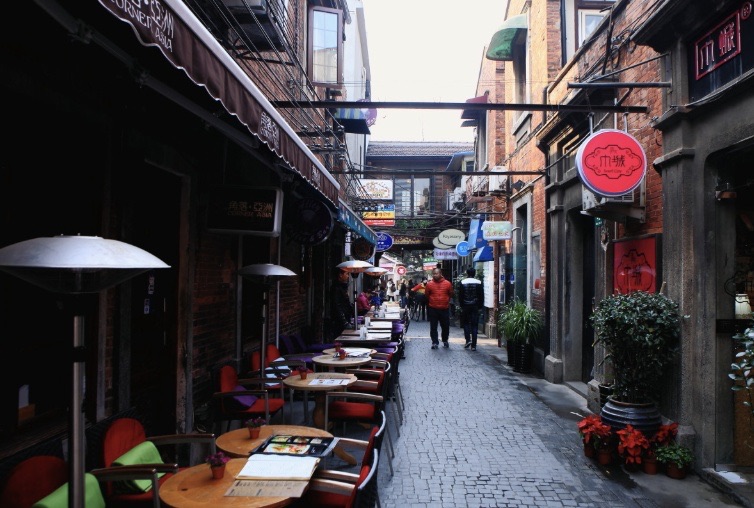
Lane 248 is one of Tianzifang's three main thoroughfares, known for its coloured-glass windows and vine-covered flower walls. Each shop front looks like a film set: coloured glass casts kaleidoscopic light across the lane on sunny days, and the flower walls shift with the seasons. The lane is home to hands-on craft workshops, vintage shops, and distinctive cafes. At the pottery studio, visitors can try throwing a wheel; the Vintage Museum displays antique cameras and vinyl records. Lane 248 is the best part of Tianzifang for a leisurely stroll and street photography, with surprises waiting around every corner.
Nine — Lane 274 Art Corridor
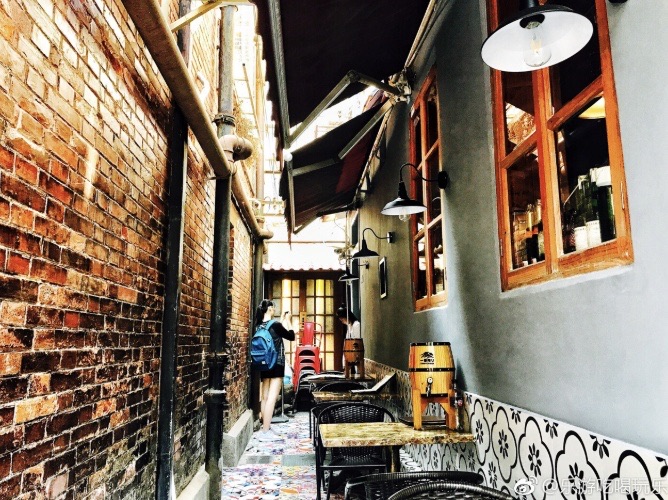
Lane 274 is Tianzifang's hidden art corridor. The walls are hung with designer posters, and oversized murals appear at the turns. Deep inside the lane, a number of international artists' studios and design offices have taken root, bringing together creative practitioners from many countries and cultural backgrounds. Quieter and less visited than the other lanes, it is the ideal place for an unhurried encounter with contemporary art in an alleyway setting. The lane ends at Jianguo Middle Road, from which visitors can continue to the nearby Sinan Road, lined with its distinctive French plane trees.
9 stops, in walking order — read top to bottom, no clicking needed.

 2
 3
 4
 5
 6
 7
 8
 9