Official Visitor Guide to Qingyang Gong
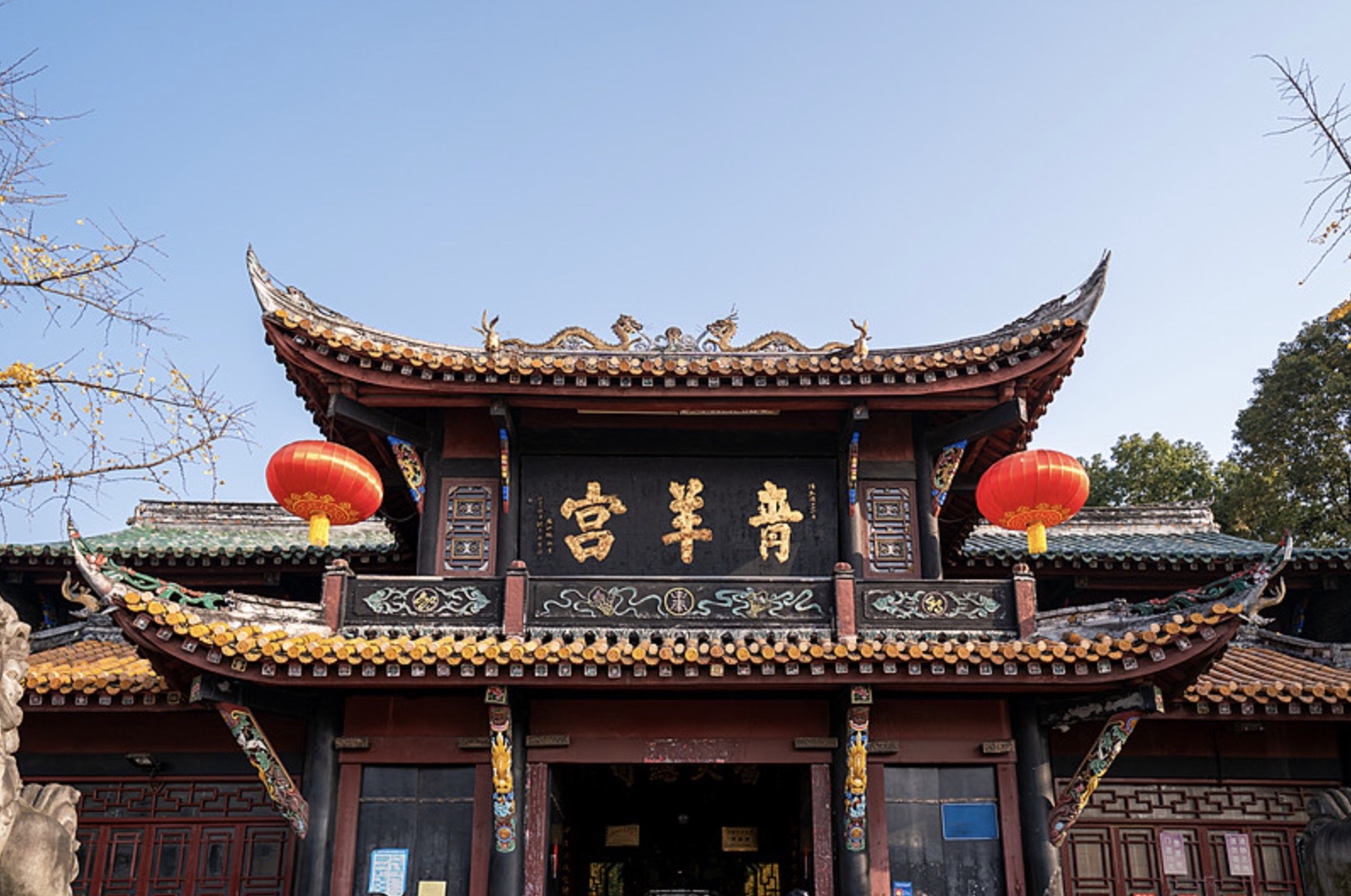
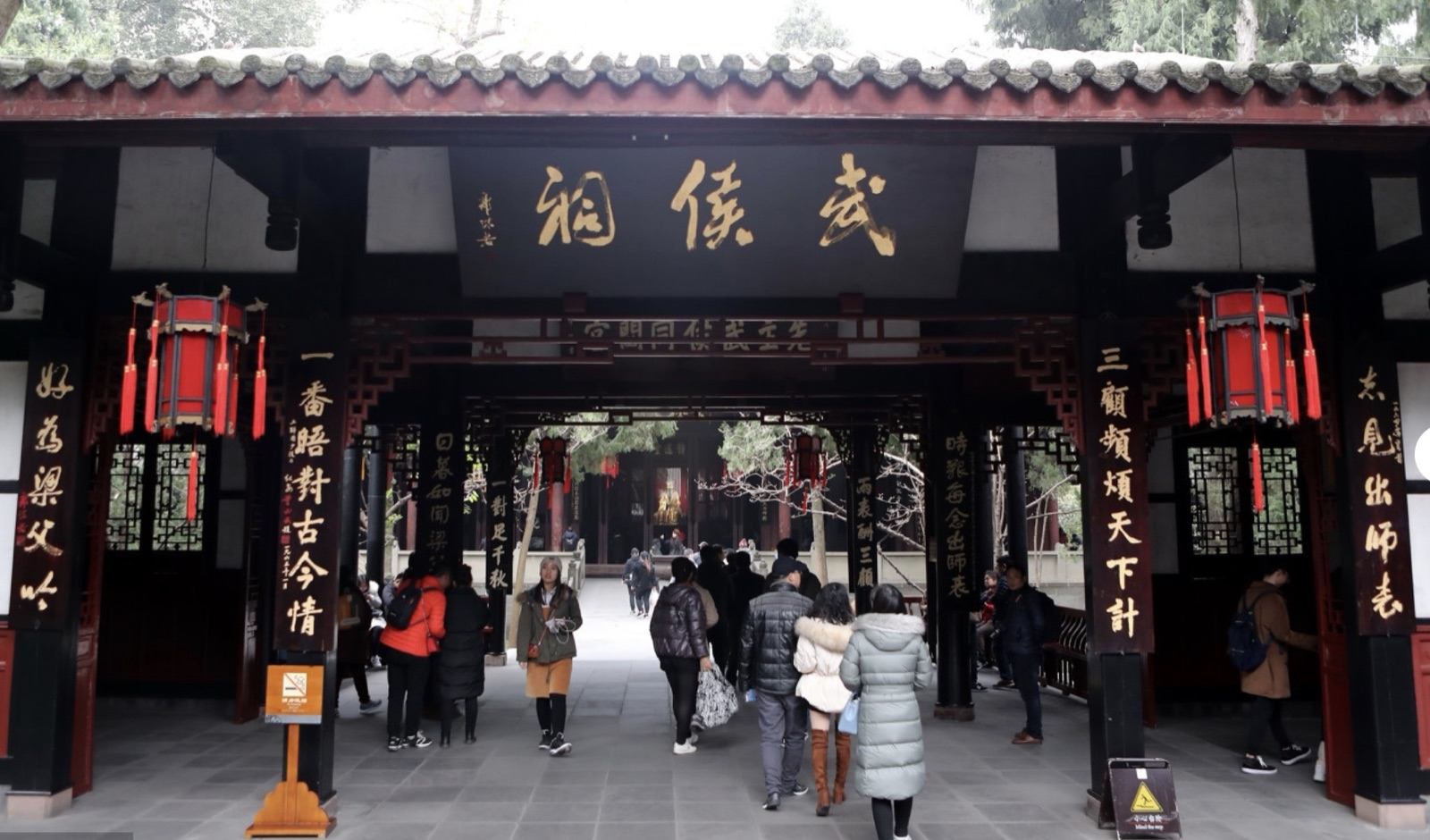
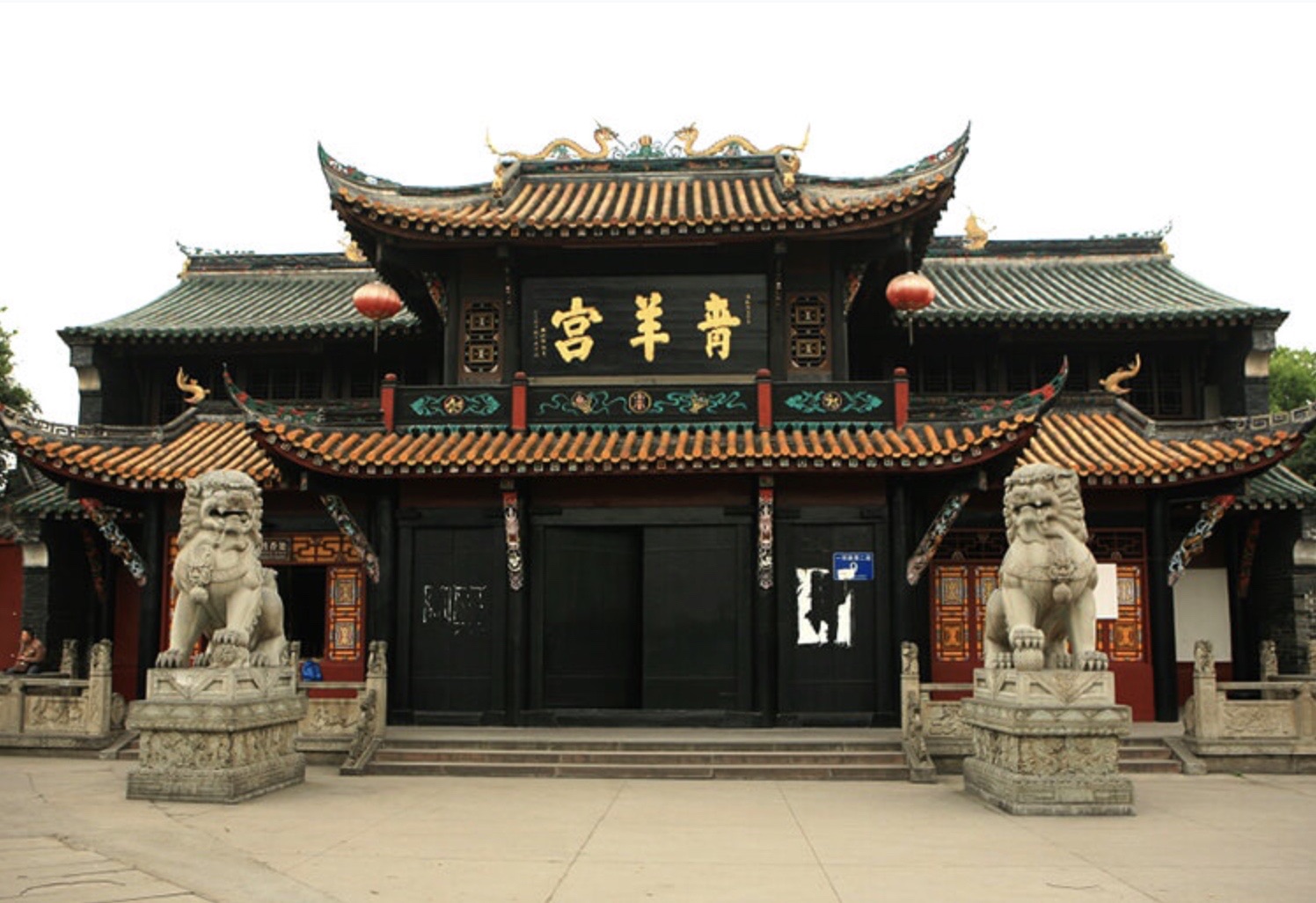
Qingyang Gong — revered as "the Foremost Daoist Temple of Western Sichuan" and "the Greatest Monastic Complex of the Southwest" — is the oldest and largest Daoist temple in Chengdu, and one of the most celebrated Daoist sacred sites in China. Its origins stretch back to the Zhou dynasty, when it was known as "Qingyang Si," and tradition holds that the founding sage of Daoism, Laozi, had a direct connection to this very ground. The complex has stood for more than two thousand years. Most of the magnificent buildings visible today were reconstructed during the Kangxi reign of the Qing dynasty. The grounds cover roughly 120,000 square meters, with the principal structures arranged in sequence along the central axis, their proportions reflecting the Daoist philosophy of harmony between humanity and the cosmos. The temple houses the world's most complete surviving woodblock edition of the Daozang Jiyao, the collected Daoist canon, as well as the temple's most prized treasure — a single-horned bronze ram whose body incorporates the features of all twelve Chinese zodiac animals.
Lingzu Hall
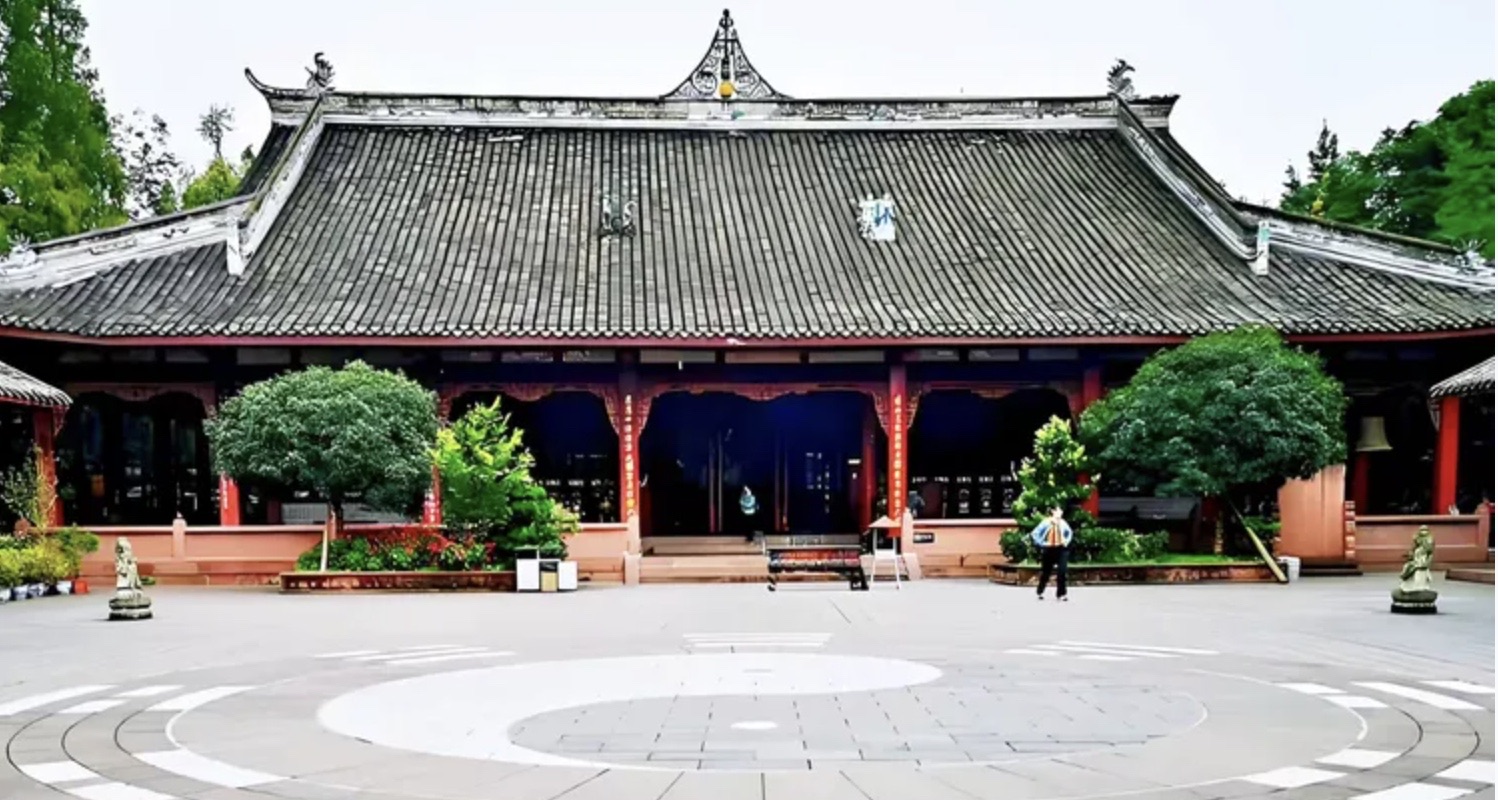
The Lingzu Hall is the first major hall on the central axis of Qingyang Gong, originally built in the Ming dynasty and later rebuilt during the Qing. The building rises about 20 meters and covers 400 square meters, its roof finished in glazed tiles decorated at the edges with white-petaled, red-centered lotus flowers that catch the sunlight brilliantly. Inside, the hall enshrines Wang Lingguan, the chief guardian deity of Daoist temples — his image dignified and commanding, golden whip in hand, embodying Daoist authority and protection. To the right of the hall stands a stele erected in the twelfth year of the Zhengde reign of the Ming dynasty, known as the Nine Dragon Stele of Imperial Grace. Its inscription documents the historical relationship between Daoism and imperial power, and its carving stands as a testament to the mastery of Ming-dynasty craftsmen. The Lingzu Hall's architecture is dignified and understated, making it the natural starting point for understanding both the history of Qingyang Gong and the culture of Daoism.
Hunyuan Hall
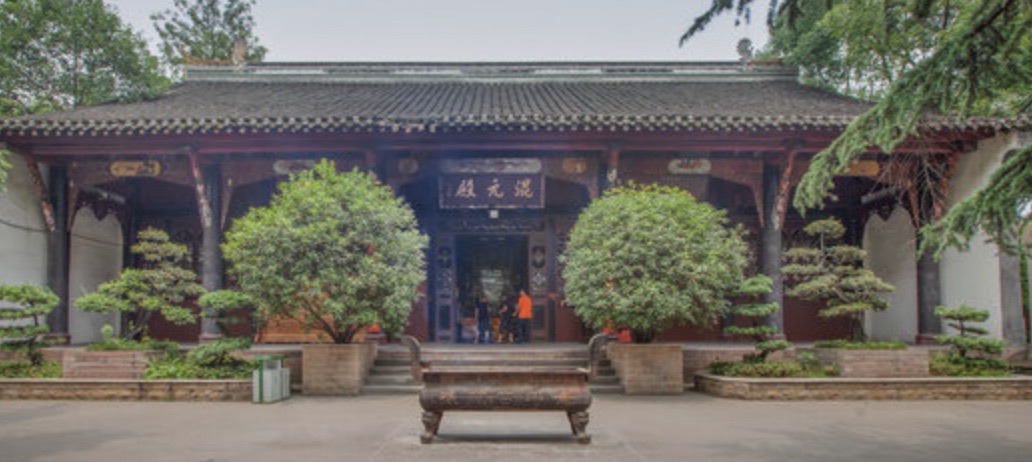
The Hunyuan Hall is the second major hall on the central axis, rebuilt during the Guangxu reign of the Qing dynasty. It rises about 22 meters and covers 616 square meters. Inside, the hall enshrines the Supreme Patriarch Hunyuan — the Supreme Lord Laozi — holding the Hunyuan Ring of Heaven and Earth, which symbolizes the primordial state before the cosmos took shape. The rear section of the hall also enshrines Cihang Zhenren, the Daoist name for Guanyin, the Bodhisattva of Compassion in Buddhism, reflecting the intermingling of the two traditions. The most striking feature of the Hunyuan Hall is its carved columns: 26 stone and 2 wooden, each decorated with openwork carvings of deer, a phoenix gazing at the moon, twin lions at play, and more — vivid demonstrations of ancient craft. The Supreme Patriarch's presence in this hall embodies the core Daoist teaching: "the Dao gives birth to one, one gives birth to two, two gives birth to three, three gives birth to the ten thousand things."
Bagua Pavilion
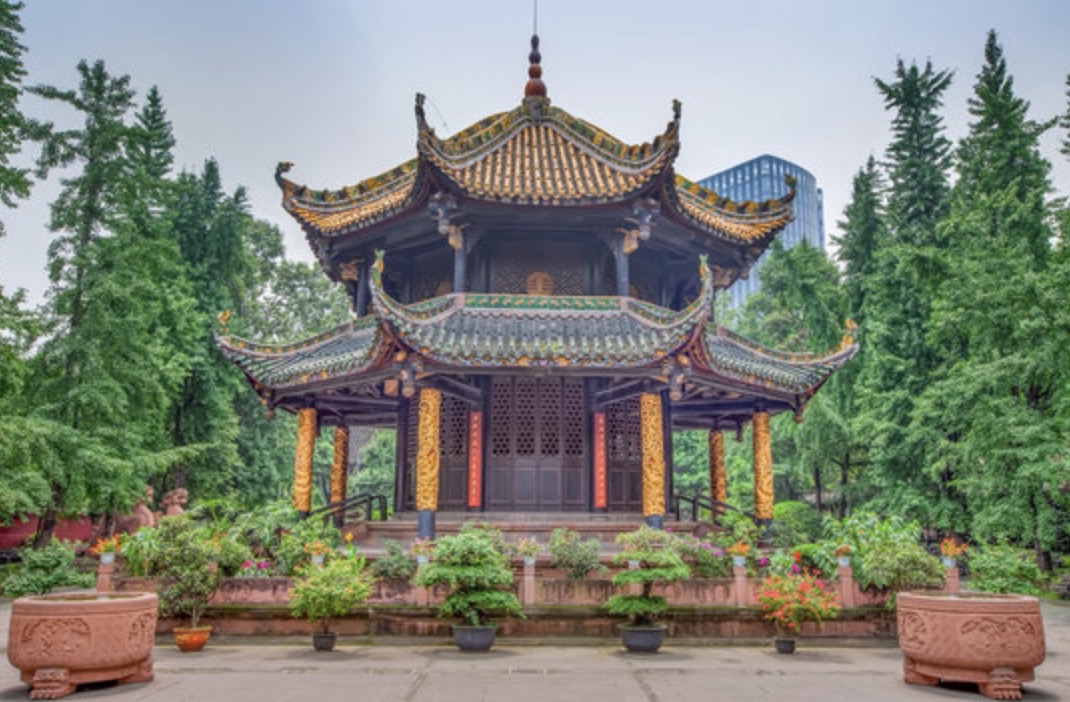
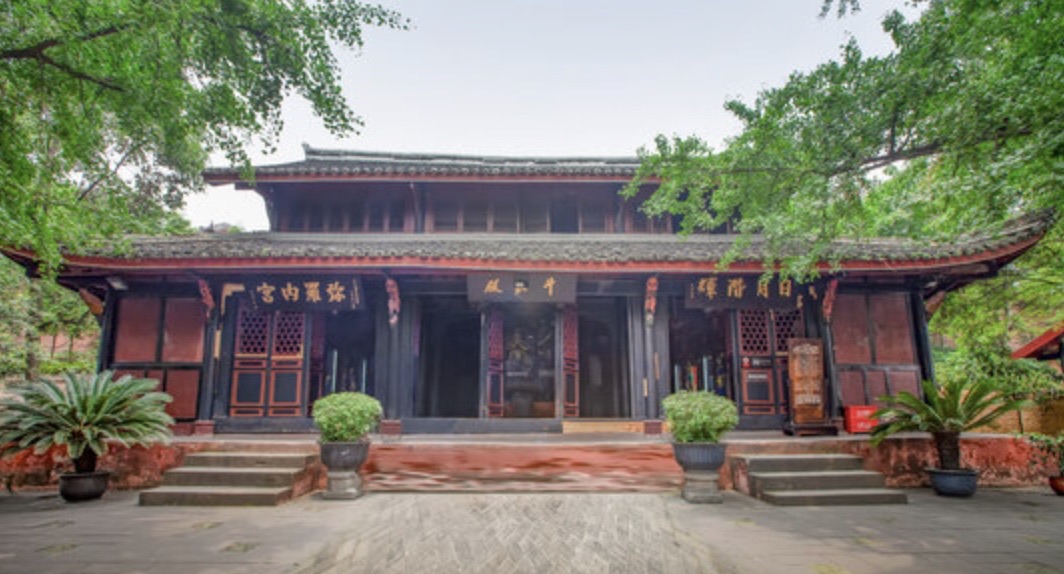
The Bagua Pavilion is the best-preserved and most architecturally magnificent building in Qingyang Gong, originally built in the late Tongzhi reign of the Qing dynasty, situated between the Sanqing Hall and the Hunyuan Hall. The pavilion stands about 20 meters tall, spans roughly 17 meters across, and covers nearly 300 square meters — a three-tiered structure built upon a raised stone base. Its defining feature is that three-tiered base: the lowest tier is square, representing the earth; the middle tier is octagonal, corresponding to the Eight Trigrams; and the top tier is circular, representing heaven — a perfect architectural expression of the Daoist cosmology of "a round sky over a square earth." The entire structure is assembled from timber and stone without a single nail, every joint a mortise-and-tenon connection, an extraordinary feat of craft. The south-facing entrance bears a bas-relief of the twelve zodiac animals arranged around a taiji diagram, symbolizing the harmony of time and space. The pavilion's interior enshrines a statue of Laozi riding his green ox — the central symbol of Qingyang Gong.
Sanqing Hall
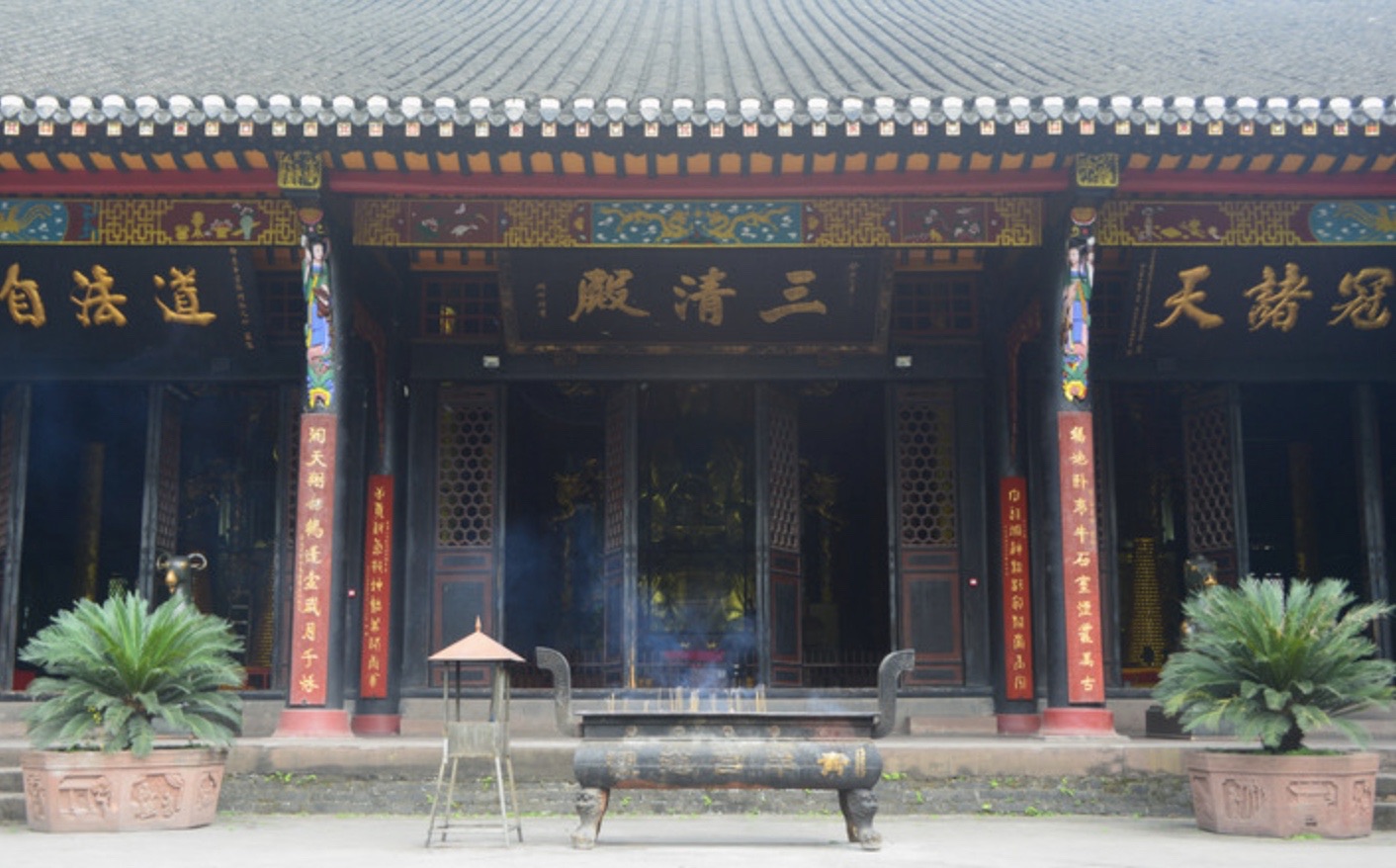
The Sanqing Hall is the principal hall of Qingyang Gong, also known as the Wuji Hall. Originally built during the Tang dynasty, it was rebuilt in the eighth year of the Kangxi reign of the Qing dynasty. The foundation measures 40 meters on each side, giving a total area of 1,600 square meters — the largest structure in the complex. Inside, the hall enshrines the supreme trinity of Daoist deities: Yuqing Yuanshi Tianzun (the Celestial Worthy of Primordial Beginning), Shangqing Lingbao Tianzun (the Celestial Worthy of Numinous Treasure), and Taiqing Daode Tianzun, the Supreme Lord Laozi. The hall is supported by thirty-six great columns — eight wooden columns representing the Eight Heavenly Kings of Daoism, and twenty-eight stone columns representing the twenty-eight lunar mansions of Chinese astronomy, embodying the Daoist understanding of cosmic order. Hanging to the left of the hall's entrance is a bronze bell cast during the Ming dynasty, weighing around 3,000 kilograms and known as the Bell of the Underworld; a large drum stands to the right, and on the first and fifteenth of each lunar month, and during major ceremonial occasions, both are sounded together. In front of the hall stand two cast-bronze rams, the most celebrated treasures of Qingyang Gong. The single-horned ram on the left was donated in the first year of the Yongzheng reign; the double-horned ram on the right was donated in the ninth year of the Daoguang reign. Visitors may touch the ram's body at the spot corresponding to their own zodiac animal — the rat's ears, the ox's nose, the tiger's claws, and so on — as an act of blessing, though the statues themselves should not be disturbed internally.
Doumu Hall
The Doumu Hall is the only surviving Ming-dynasty original structure at Qingyang Gong — an elevated, all-timber pavilion built during the Ming era. Inside, the hall enshrines Doumu Yuanjun, whose full title is "Moli Zhitian Great Sage Primordial Doumu Yuanjun," the mother of all the stars in the Daoist heavens, who governs birth, death, and the fate of humanity. Doumu's image is unmistakable: three eyes on her forehead, four heads at her shoulders, four arms extending from each side — her form expressing absolute mastery over the cosmos. To her right is enshrined the Queen Mother of the West, sovereign of all female immortals; to her left is enshrined the Earth Sovereign Goddess, who governs the land, mountains, rivers, and the cycles of birth. The Doumu Hall's side walls also carry statues of the Six Stars of the Southern Dipper, the Great Emperor of Southern Pole Longevity, and the Seven Stars of the Northern Dipper, giving form to the Daoist veneration of the stars and their role in human destiny. As a surviving example of Ming-dynasty timber construction, the Doumu Hall is an invaluable piece of architectural heritage.
Yuhuang Hall
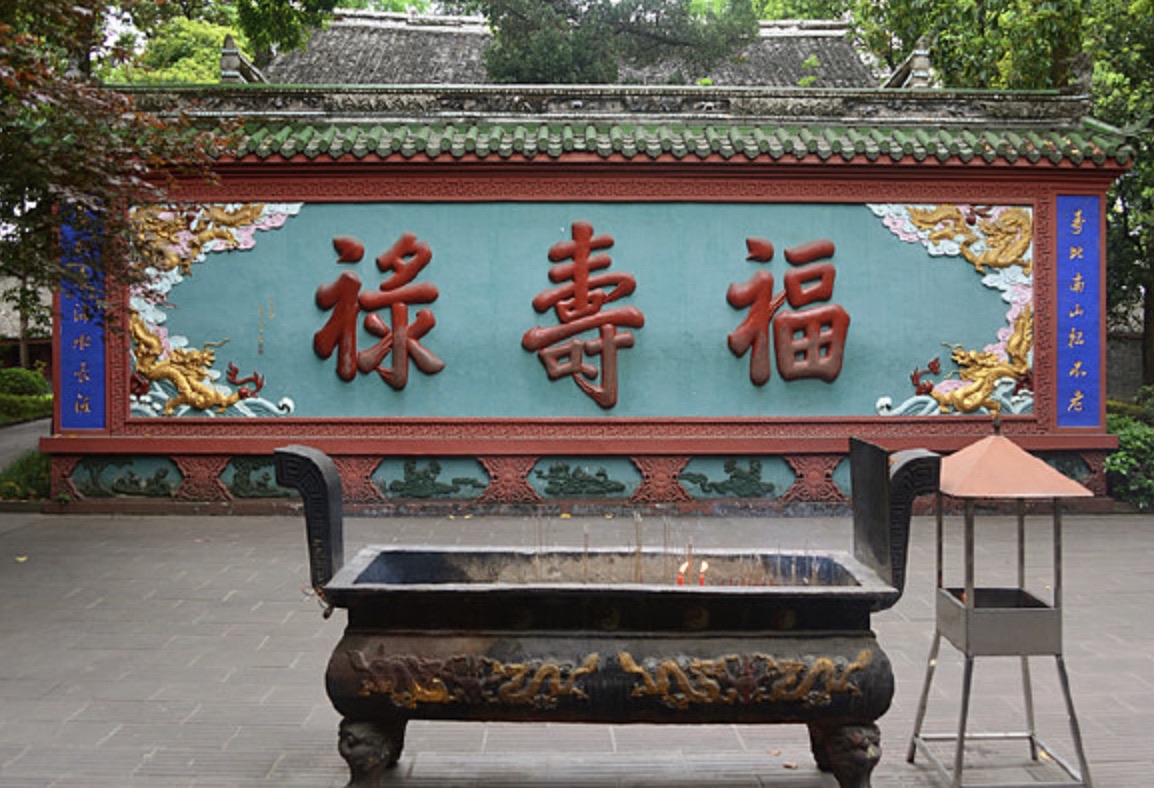
The Yuhuang Hall stands behind the Fortune, Prosperity, and Longevity Screen Wall, north of the Doumu Hall. The original hall, built during the Daoguang reign of the Qing dynasty, was later demolished due to structural failure; the present building dates to 1995. The Yuhuang Hall has two floors. The upper floor enshrines the Jade Emperor — the highest deity in the Daoist pantheon below the Three Pure Ones. The lower floor's front section enshrines the Three Officials: the Heavenly Official who grants fortune, the Earth Official who pardons sin, and the Water Official who relieves hardship; the rear section enshrines the Purple Tenuity Great Emperor and the True Martial Emperor. The Three Officials are closely identified in popular belief with the three deities of fortune, prosperity, and longevity, and are associated with the Daoist festivals of Shangyuan (Heavenly Official Grants Fortune), Zhongyuan (Earth Official Pardons Sin), and Xiayuan (Water Official Relieves Hardship). The hall is a two-story structure approximately 18 meters long and 6 meters wide, with upturned eaves and a classical elegance. Before the hall stands the large "Fortune, Prosperity, and Longevity" screen wall, flanked by the couplet "Longevity outlasting the pines of the Southern Mountain; Fortune flowing as endlessly as the waters of the Eastern Sea" — an expression of everything Daoism hopes for humanity.
Tang Emperor's Hall
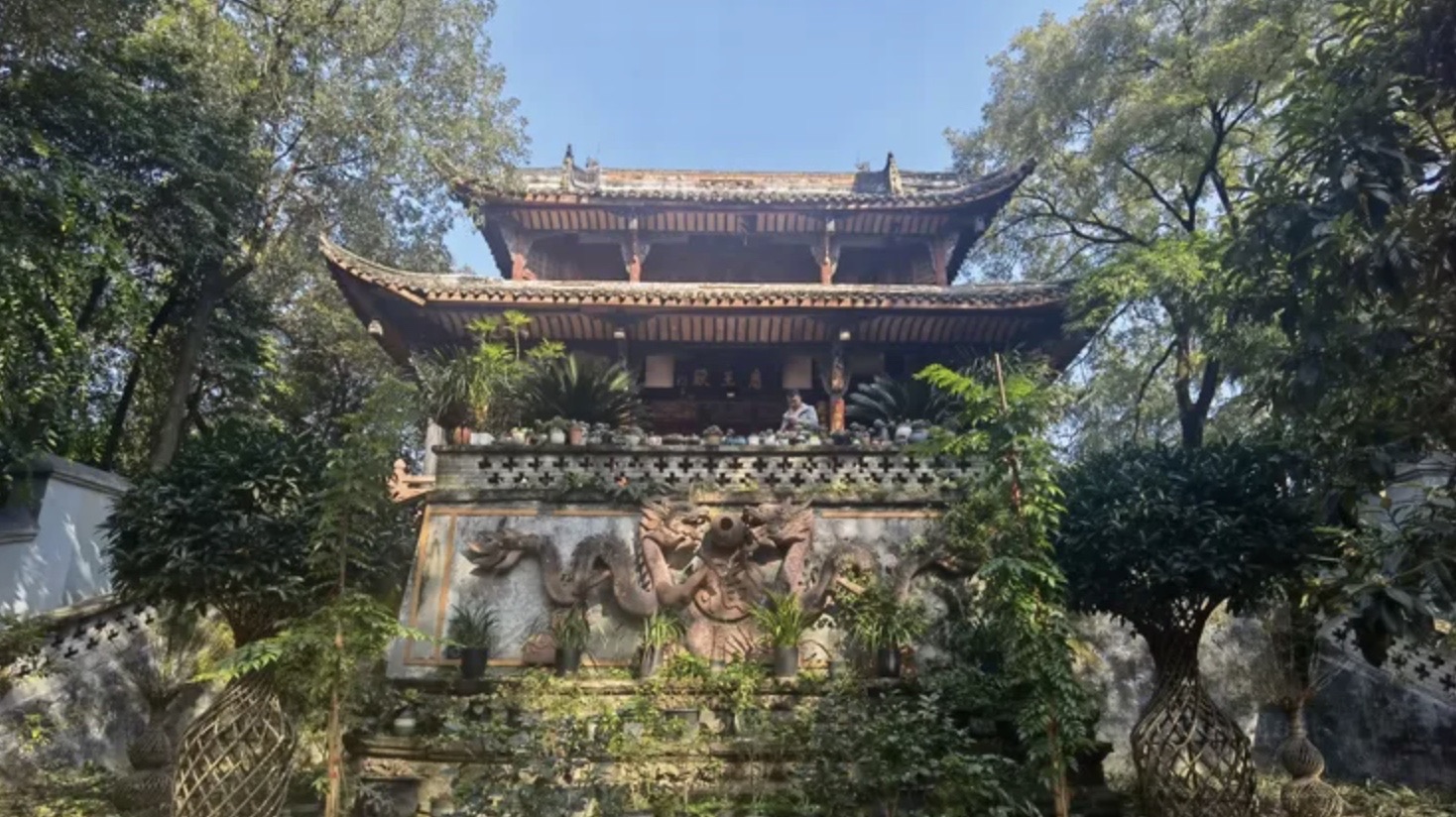
The Tang Emperor's Hall, also known as the Zijin Platform, is the last major group of structures at Qingyang Gong, built during the Kangxi reign of the Qing dynasty, with three bays across its front and a double-eaved hip-and-gable roof covered in green glazed tiles. The Tang Emperor's Hall is unique among all Daoist temples in China — the only Daoist hall in the country to enshrine Tang dynasty emperors. The central altar holds statues of Emperor Gaozu Li Yuan, Empress Dou (mother of Emperor Taizong), and Emperor Taizong Li Shimin; the side walls enshrine the founding generals Yuchi Jingde, Qin Qiong, Wei Zheng, and Li Jing. This extraordinary arrangement traces to the founding of the Tang dynasty, when the Li imperial family embraced Daoism as the state religion and claimed descent from Laozi — whose family name was also Li. The hall is built on a high platform, its seal-script couplets lending an air of mystery, the twin-dragon wall carvings proclaiming imperial grandeur. It is an essential stop for anyone interested in the relationship between Daoism and Tang imperial power.
Rear Garden Triple Platforms
The Rear Garden Triple Platforms form the concluding section of Qingyang Gong's architectural sequence. They comprise the Nativity Platform, the Preaching Platform, and the Zijin Platform, all built on raised ground and arranged in a triangular formation, symbolizing the three sacred peaks of the Daoist cosmos.
Nativity Platform: Built during the Kangxi reign of the Qing dynasty. The entrance plaque reads "Supreme Limitless Holy Mother," and the door couplets speak of the divine birth. Inside, the hall enshrines the Supreme Limitless Holy Mother — Laozi's mother — along with a statue of the infant Laozi. It is said that Laozi once manifested here in mortal form, making this hall one of the key sites associated with the legend of Laozi's incarnation.
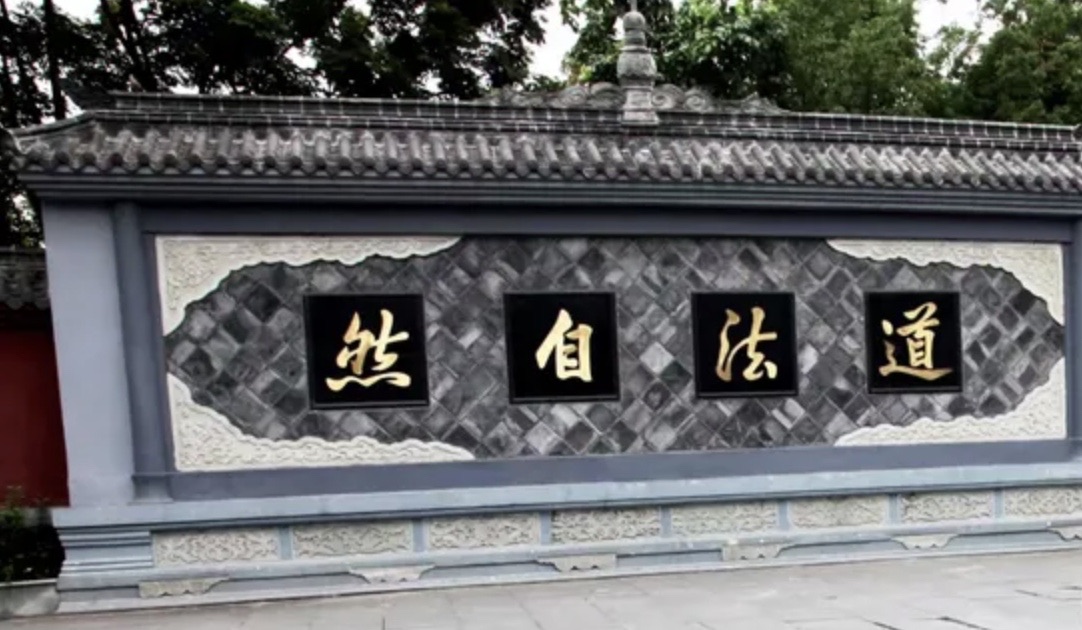
Preaching Platform: Also built during the Kangxi reign of the Qing dynasty. The entrance plaque reads "The Dao Follows Nature." Inside, the hall enshrines a statue of the Supreme Lord Laozi teaching the Dao. It is here, according to tradition, that Laozi expounded the great Way to Yin Xi — Yin Xi being both the first person to receive and transmit the Daodejing and the founding patriarch of the Daoist Louguan school.
Zijin Platform: The raised terrace on which the Tang Emperor's Hall stands. The name derives from a Tang-dynasty legend of the Purple Golden Terrace, symbolizing nobility and sanctity. The two flanking platforms — Nativity and Preaching — together with the Zijin Platform form a "Three Terraces Stars" configuration, echoing the celestial arrangement of those stars and reflecting the Daoist belief in a cosmos governed by order and pattern.
Tea Garden
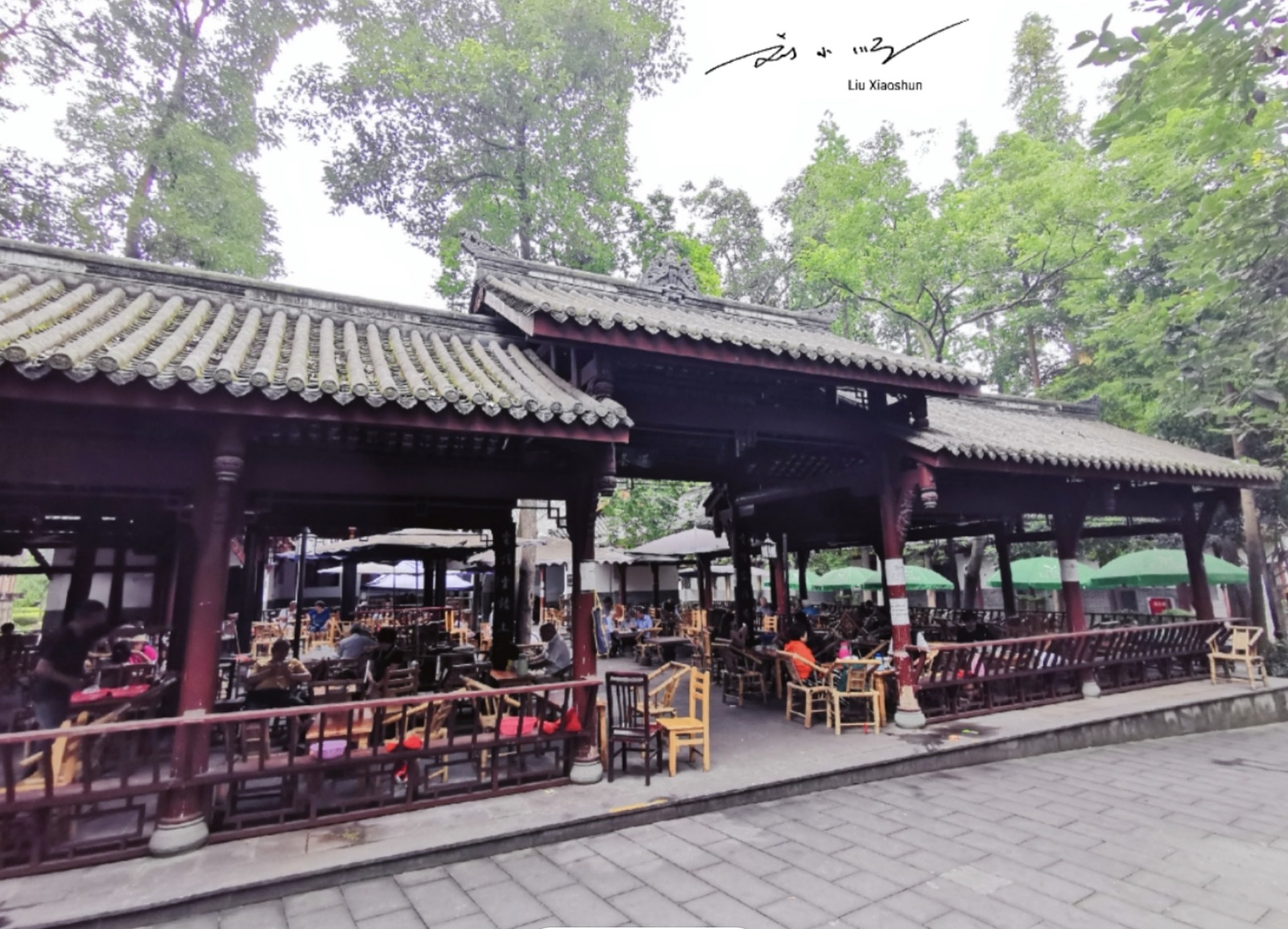
The Qingyang Gong Tea Garden is located near the Tang Emperor's Hall and forms an essential part of the cultural experience at Qingyang Gong. The garden has a quietly elegant, old-world feel, with stone tables and bamboo chairs set in a peaceful, unhurried environment. The tea garden serves a range of traditional-style teas — flower tea, plain tea, Daoist tea, and kettle-brewed tea — at accessible prices starting from 15 yuan. Visitors can also try Daoist vegetarian food such as luohan zhai, a light and refreshing Buddhist-style mixed dish. Beyond being a rest stop, the tea garden is one of the best places in Chengdu to experience the city's traditional tea culture. The Qingyang Gong Tea Garden has long been a gathering place for older Chengdu residents to relax and chat, its atmosphere full of the easy rhythms of everyday urban life — the ideal spot to absorb Chengdu's legendary unhurried pace.
11 stops, in walking order — read top to bottom, no clicking needed.

 2
 3
 4
 5
 6
 7
 8
 9
 10
 11