Overview
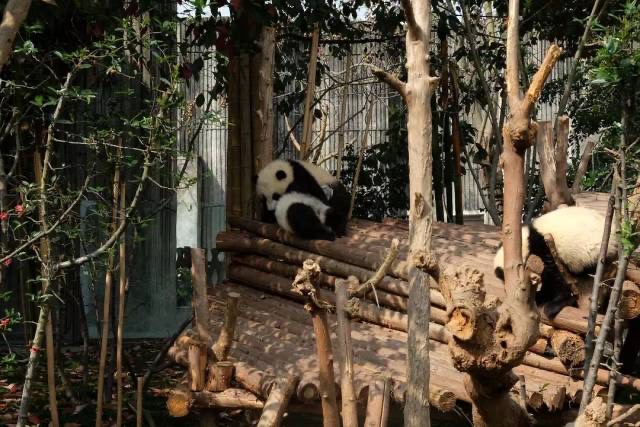
The Chengdu Research Base of Giant Panda Breeding — known simply as "Panda Base" — is the world's largest captive giant panda population site, combining scientific research, conservation education, and eco-tourism under one roof. It has been described as "a natural paradise for national treasures and an idyllic retreat for us all." The base is located at 1375 Panda Avenue, Chenghua District, Chengdu, covering 3.07 square kilometers. It sits just 10 kilometers from the city center, roughly 30 kilometers from Shuangliu International Airport, and about 70 kilometers from Tianfu International Airport. Since its founding in 1987, the base has successfully bred more than 260 giant pandas. It has been awarded the United Nations Environment Programme's "Global 500" honor and was designated a National AAAA-level Tourist Attraction in 2006.
Recommended Route: Because the base is quite large, visitors are advised to enter through the South Gate and follow this route: South Gate → Giant Panda Museum → Adult Giant Panda Villas → Sub-adult Giant Panda Villas → Sunshine Nursery → Moonlight Nursery → Shengri Hall → Xuri Hall → Yunri Hall → Yingri Hall → Panda Walking Street → Jiangyue Hall → Mingyue Hall → Wangyue Hall → Qiuyue Hall → Shanyue Hall → Panda Valley Station → Bamboo Tower → Stellar Nursery → Xinghan Hall → West Gate Viewing Platform. The full circuit takes approximately 5.5 hours and covers all the major highlights.
Attraction Details
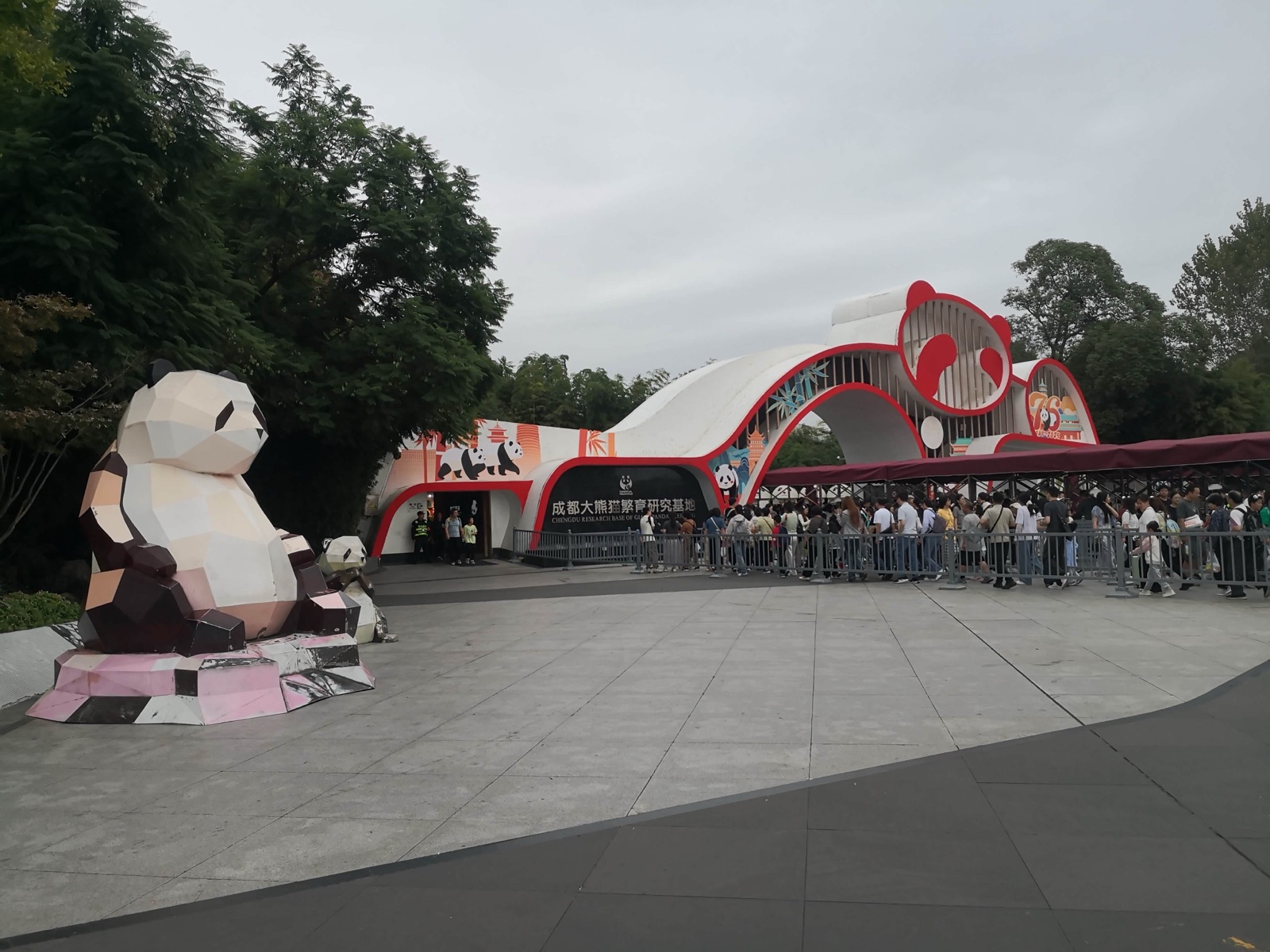
1. South Gate
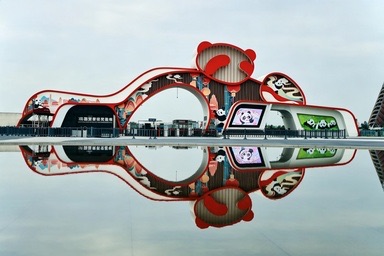
The South Gate is the main entrance to Panda Base, greeting visitors with grand panda sculptures and the iconic Panda Avenue. This is where your visit begins — entry services, ticketing assistance, and basic visitor information are all available here.
Once inside, pick up the latest park map and check for updates on daily panda activity schedules and the whereabouts of featured pandas. The Visitor Service Center near the South Gate handles general inquiries and orientation.
Start your visit at the Visitor Service Center to get a rundown of the day's panda activities and to plan your route.
2. Swan Lake
Swan Lake is a tranquil stretch of water within the base, home to black swans and a variety of water birds. The lake shimmers in the light and offers a rare moment of calm amid the bustle of the park — a perfect spot to rest and take in the scenery.
Viewing platforms and seating areas surround the lake, making it an ideal location for photographing swans and waterbirds. Benches along the shoreline invite visitors to sit, breathe, and enjoy the natural setting.
Early morning or dusk offers the best light and the most active birds. Keep noise to a minimum so as not to startle the wildlife.
3. Giant Panda Museum
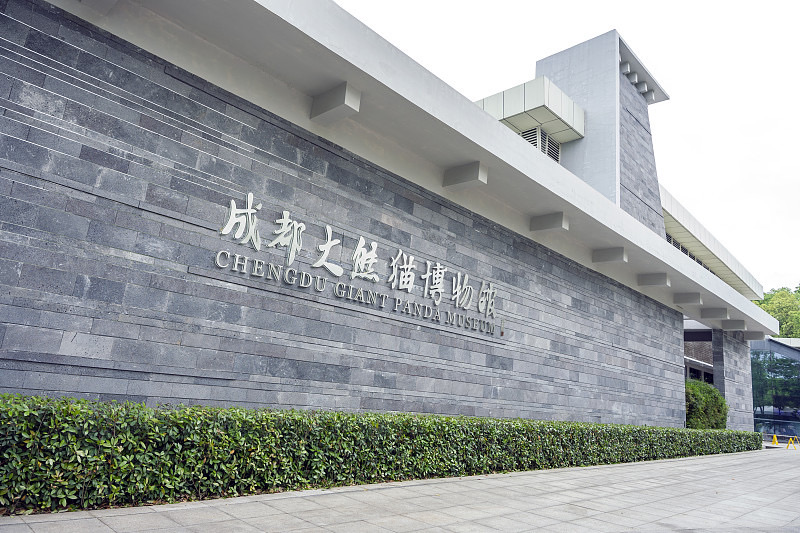
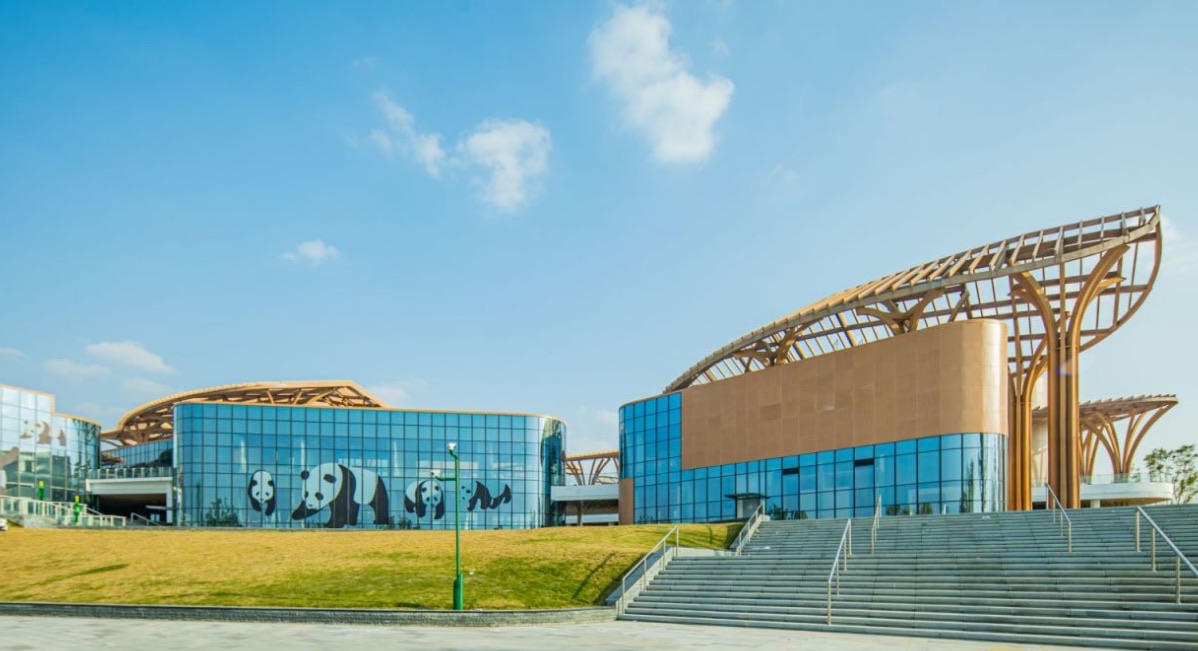
The Giant Panda Museum is the world's first interactive museum dedicated exclusively to giant pandas. Through multimedia displays, physical exhibits, and hands-on experiences, it tells the full story of the giant panda — evolutionary history, natural behaviors, current conservation status, and breeding achievements.
The museum features a 3D cinema and a dome theater, offering immersive experiences that bring the panda's habitat and the work of conservation to life. On display inside are panda fossils, fur specimens, and behavioral models — all rare and fascinating items.
The museum is comfortably air-conditioned, making it a welcome escape during the heat of summer.
4. Panda Science Discovery Hall
The Panda Science Discovery Hall is one of the base's key venues for scientific education. Forty touchscreen stations and a range of multimedia interactive installations present the base's research achievements across fields including panda reproduction, genetics, nutrition, and endocrinology.
The hall blends science with interactive fun, making it especially well-suited for families. Visitors can explore topics such as the giant panda's reproductive cycle, genetic diversity conservation, and nutritional requirements through engaging touchscreen exhibits.
5. Adult Giant Panda Villas
The Adult Giant Panda Villas are the primary living quarters for mature giant pandas at the base. The villa design mimics a natural environment, giving adult pandas ample and comfortable space. Each villa includes open-air activity areas and indoor resting rooms; visitors can watch adult pandas go about their day through large viewing windows.
The semi-enclosed design allows observation from multiple angles — whether a panda is eating, sleeping, or playing. Keeper work areas are visible from within the zone, so visitors may catch a glimpse of staff caring for the animals.
6. Sub-adult Giant Panda Villas
The Sub-adult Giant Panda Villas are designed for pandas between two and four years old, serving as a transitional habitat between the juvenile and adult enclosures. The villas feature larger activity spaces to help these growing pandas adapt to a wider range of movement.
Sub-adult pandas are at an energetic stage of life — lively and curious. Visitors can often spot them climbing trees, rolling around, and chasing each other. Viewing windows in the villa area let guests get up close with these playful animals.
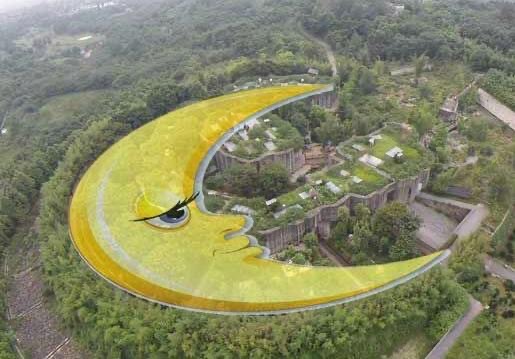
7. Sunshine Nursery
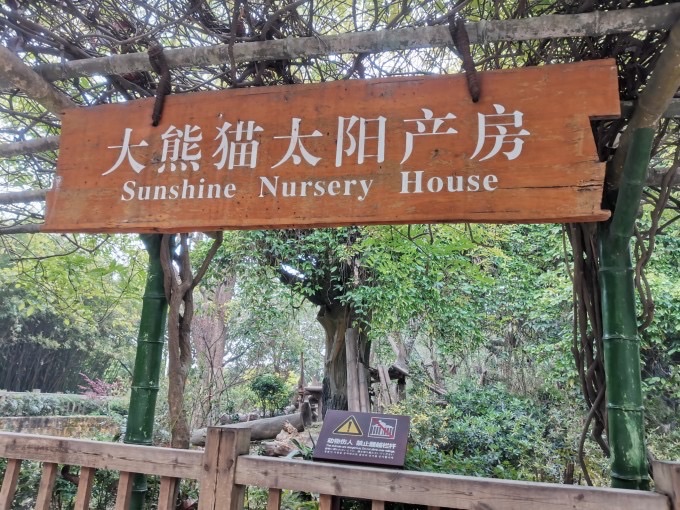
The Sunshine Nursery is the base's celebrated panda "nursery," housing cubs that were born in the morning hours — typically those born between 8:00 a.m. and noon. The nursery includes both indoor and outdoor activity areas, providing a safe and nurturing environment for the youngest residents.
Visitors may get the chance to see panda cubs just weeks old, these tiny pink bundles resting or playing in incubator cribs. High-definition screens inside the nursery display live growth data and real-time footage of the cubs.
This area draws large crowds, so arriving early or visiting during off-peak hours is recommended. Please keep noise low and avoid using flash photography, as the cubs need undisturbed rest. A waiting area is available so visitors can time their viewing for the best moments.
8. Moonlight Nursery
The Moonlight Nursery is the counterpart to the Sunshine Nursery, housing cubs born during nighttime hours — typically those born between 6:00 p.m. and 8:00 a.m. Like the Sunshine Nursery, it provides indoor and outdoor spaces where the cubs can grow in a safe, comfortable setting.
Highlight: The Moonlight Nursery is one of the most popular spots in the entire base. Visitors may see cubs resting in incubator cribs, playing, or being carried outside by keepers for some sunshine. An incubator display area lets guests observe these fuzzy little lives at close range.
Crowds here tend to be large — arriving early or during off-peak hours is strongly advised. Keep noise to a minimum and refrain from using flash photography. The incubator display area offers a good spot to wait for an optimal viewing opportunity.
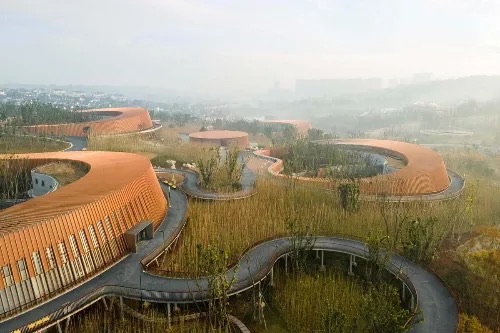
9. Shengri Hall
Shengri Hall is one of the giant panda enclosures in the Wuxian Hillside zone. Its name evokes the idea of a perfect day spent exploring the beauty of nature. The hall is built in a contemporary style with expansive floor-to-ceiling glass panels that allow 360-degree views of the pandas inside.
Adult giant pandas live here, and visitors can watch them eat, rest, and play from the comfort of a covered indoor viewing area. Educational panels throughout the hall explain panda behavior and conservation efforts. Seating areas just outside the hall let visitors observe the pandas while taking a break.
Shengri Hall forms a cluster with Xuri Hall, Yunri Hall, and Yingri Hall — visiting them in sequence is the best way to see multiple pandas in one go.
10. Xuri Hall
Xuri Hall is another enclosure in the Wuxian Hillside zone. Its name means "the rising sun," evoking a sense of hope and vitality. Like its neighbors, the hall features a modern design with generous glass viewing windows offering unobstructed sightlines in every direction.
The pandas housed here tend to be active and lively — visitors frequently catch them climbing, rolling, and playing. Conservation and behavioral information is presented on display panels throughout the hall, and rest areas outside invite visitors to linger.
11. Yunri Hall
Yunri Hall is one of the Wuxian Hillside zone's panda enclosures. Its name calls to mind drifting clouds, suggesting a life of ease and unhurried calm. The hall's modern design and wide glass windows offer full 360-degree views of the pandas inside.
The resident pandas here have gentle, easygoing temperaments. Visitors are likely to see them strolling leisurely, munching on bamboo, or napping. Educational panels cover panda habits and conservation, and rest areas just outside the hall make it a pleasant place to pause.
12. Yingri Hall
Yingri Hall is the fourth enclosure in the Wuxian Hillside zone. Its name is drawn from a classical verse celebrating vivid natural beauty, and the hall itself reflects that spirit — modern in design, with wide glass windows giving unobstructed views all around.
The pandas here have distinct personalities: some are playful and energetic, others calm and composed. Visitors who spend time watching may notice how the same pandas behave differently at different times of day. Educational panels and outdoor rest areas are available throughout the zone.
13. Panda Walking Street
Panda Walking Street is the central commercial hub of the base's expansion zone, bringing together dining, shopping, and rest in one place. Panda-themed shops, restaurants, and seating areas line both sides of the street, making it a natural stopping point during a long day of exploration.
Panda-themed restaurants along the street serve Sichuan specialties alongside panda-inspired desserts and drinks. Gift shops carry a wide range of panda merchandise — plush toys, commemorative coins, and more. Panda sculptures and interactive installations in the middle of the street are popular photo spots.
14. Jiangyue Hall
Jiangyue Hall is one of the panda enclosures in the Adventure Valley zone. Its name is drawn from a classical verse asking who first saw the moon over the river — a phrase that speaks to the harmony between nature and human contemplation. The hall features an outdoor activity area and indoor resting rooms, with viewing windows for close-up observation of the resident adult pandas.
The hall is set among streams and bamboo groves, creating a scenic backdrop that makes it one of the most photogenic spots in the base. Educational panels inside cover panda behavior and conservation.
The surrounding streams and bamboo groves make this area especially beautiful for photography.
15. Mingyue Hall
Mingyue Hall is one of the Adventure Valley zone's panda enclosures. Its name echoes a beloved line of classical poetry musing on the eternal moon — a name that captures a longing for natural beauty. The hall includes an outdoor activity area and indoor resting rooms, with viewing windows for close observation.
The pandas here are calm-natured. Visitors can expect to see them wandering at a leisurely pace, eating, or sleeping.
16. Wangyue Hall
Wangyue Hall is another Adventure Valley zone enclosure. Its name — "gazing up at the bright moon" — evokes quiet contemplation of the natural world. The hall's design includes outdoor activity areas and indoor resting rooms, with viewing windows throughout.
The resident pandas vary in temperament: some are bouncy and curious, others serene. Watching for a while reveals how differently each individual moves through its day.
17. Qiuyue Hall
Qiuyue Hall is one of the Adventure Valley zone's enclosures. Its name suggests moonlight filtering through an autumn window — a poetic image of seasonal change and natural beauty. The modern-style hall includes outdoor activity areas and indoor resting rooms, with viewing windows for close observation.
Adult giant pandas live here, and visitors can observe them eating, resting, and playing amid natural surroundings. Streams and bamboo groves nearby make the area beautiful and well-suited for photography. Educational panels inside cover panda habits and conservation.
18. Shanyue Hall
Shanyue Hall is one of the Adventure Valley zone's panda enclosures. Its name comes from a classical line meaning that the mountain moon knows nothing of what lies in the heart — a phrase that blends natural imagery with human feeling. The hall features outdoor activity areas and indoor resting rooms, with viewing windows for close-up observation.
Adult pandas are resident here, and visitors can watch them eat, rest, and play in a natural setting. The surrounding streams and bamboo groves offer beautiful scenery and good photographic opportunities. Educational panels inside explain panda behavior and conservation efforts.
19. Lanyue Hall
Lanyue Hall is one of the Adventure Valley zone's panda enclosures. Its name means "reaching for the moon," evoking a spirit of yearning and exploration. The modern-style hall features outdoor activity areas and indoor resting rooms, with viewing windows for close observation.
Adult giant pandas live here. Visitors can watch them eat, rest, and play against a natural backdrop of streams and bamboo groves — one of the more scenic spots in the base for photography. Educational panels inside cover panda habits and conservation.
20. Bamboo Tower
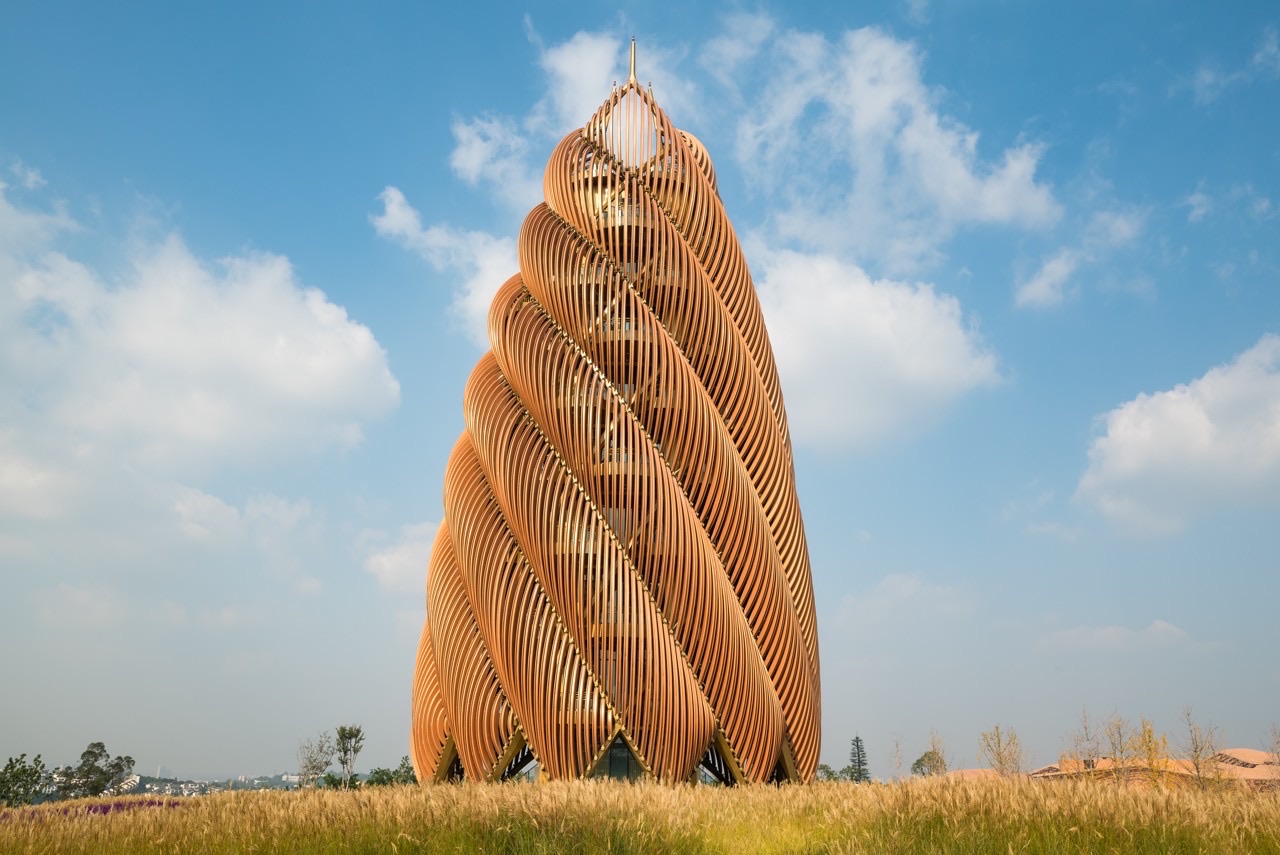
The Bamboo Tower is the landmark structure of the base's expansion zone. Standing 69.8 meters tall and shaped like bamboo shoots emerging after rain, the nine-story tower is one of Chengdu's highest vantage points. Its exterior is adorned with 81 golden "hibiscus petals," and the interlocking metalwork creates a striking geometric aesthetic. Visitors can ride to the top for a panoramic view of the entire base.
The Bamboo Tower has become one of Chengdu's most popular photography destinations. From the summit, a full 360-degree view takes in layer upon layer of greenery and the varied architecture of the pavilions below. An observation deck and rest area are available at the top.
21. Panda Panoramic Restaurant
The Panda Panoramic Restaurant, located in the expansion zone, is wrapped in floor-to-ceiling glass on all sides, letting diners watch giant pandas up close while they eat. The menu features panda-themed specialties including panda-style gaiwan tea lattes, bamboo-shaped green rice balls, and more.
The defining feature is the 360-degree floor-to-ceiling glass — visitors seated inside have unobstructed views of panda activity throughout their meal. Panda-themed decor and a creative merchandise display area inside the restaurant make it equally good for photos and souvenir shopping. Panda-themed desserts and drinks — including panda-shaped bread and panda keychain accessories — are also available.
22. Stellar Nursery
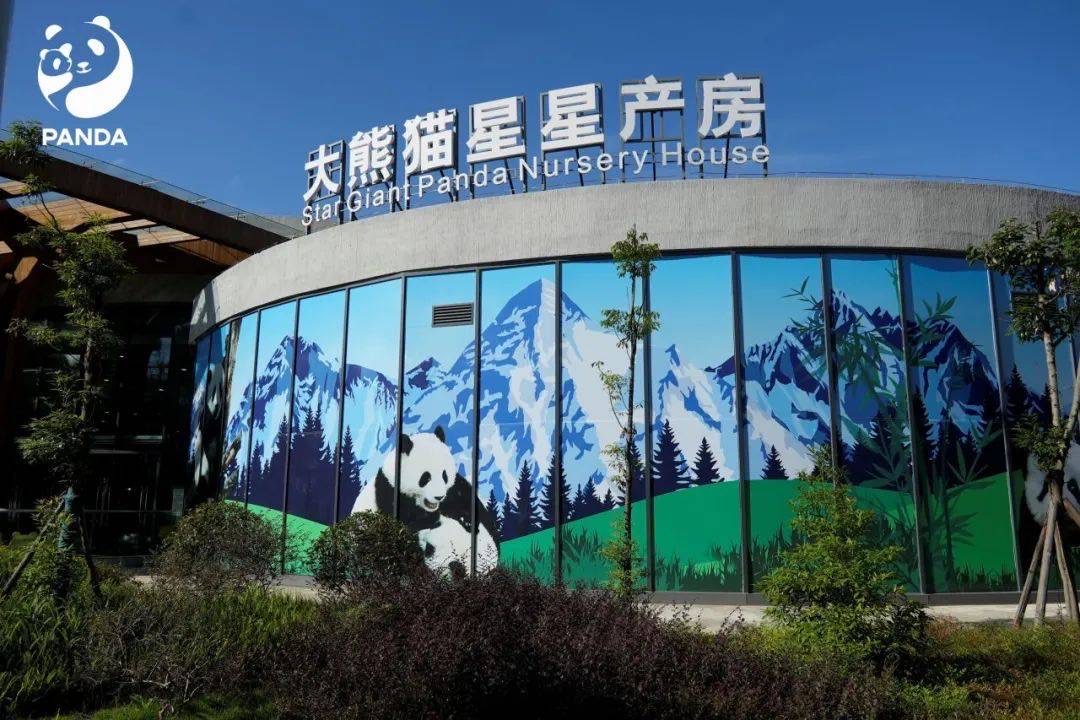
The Stellar Nursery is a newly added nursery in the base's expansion zone. Its name evokes the idea of a single spark igniting great possibility — a symbol of hope and the future. The nursery features both indoor and outdoor activity areas, providing a safe and nurturing environment for the youngest cubs.
The Stellar Nursery is one of the base's newest crowd-pleasers. Visitors here have the chance to see panda cubs just weeks old.
23. Xinghan Hall
Xinghan Hall is one of the giant panda enclosures in the expansion zone. Its name means "a brilliant starry river," evoking the endless vitality of life renewing itself. The hall features a two-level viewing design that makes it easy to catch the pandas at any angle.
Xinghan Hall is home to pandas that have returned from abroad, including Abao, who came back from Spain, and members of the Hama family who returned from Japan. Visitors can observe how these pandas are settling back into life in China. Educational panels inside tell the background stories of these returnee pandas and explain their significance to international conservation. The pandas here tend to be most active in the afternoon.
24. Red Panda Free-range Area
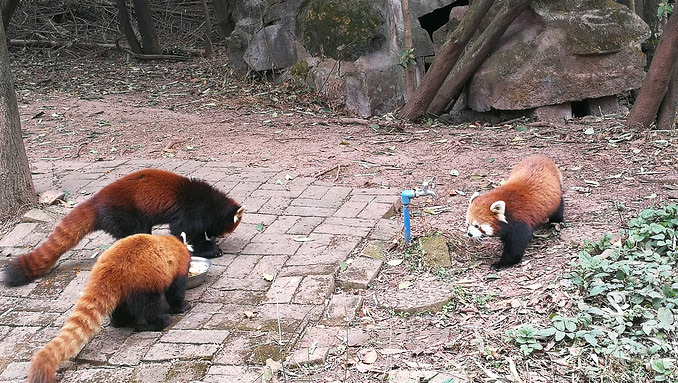
The Red Panda Free-range Area is a new attraction that opened in 2026, covering 12,000 square meters and built around the idea of naturalistic display. The area is divided into four separate activity zones, making full use of the site's natural hillside terrain to expand the red pandas' roaming space and reduce enclosure density.
This is the world's largest captive red panda habitat. Visitors can observe red pandas going about their natural behaviors — climbing, leaping, resting — at close range. Wood offcuts from the base's own tree-trimming operations have been repurposed into climbing frames, wooden bridges, and rope ladders, enriching the red pandas' vertical environment. An educational display area uses illustrated panels and interactive installations to introduce red panda ecology and current conservation status.
25. Golden Snub-nosed Monkey Hall
The Golden Snub-nosed Monkey Hall is a new attraction that opened in 2026, with a site area of approximately 1,620 square meters and a floor area of 1,828 square meters. The hall introduces an innovative "visual co-habitation, physical separation" design, bringing together Sichuan golden snub-nosed monkeys, crimson-bellied pheasants, and red pandas in a single visual space, while keeping each species in its own discreet zone with no cross-contact.
Visitors can simultaneously watch golden snub-nosed monkeys leap between climbing frames, crimson-bellied pheasants stroll unhurriedly through the undergrowth, and red pandas lounge on wooden bridges — all at once. The design integrates animal behavior with spatial aesthetics, giving each species an environment tailored to its needs. A themed merchandise store at the exit sells products inspired by all three resident species. Please remain quiet during your visit and refrain from feeding or touching the animals. Educational panels inside explain the ecology and conservation significance of each species.
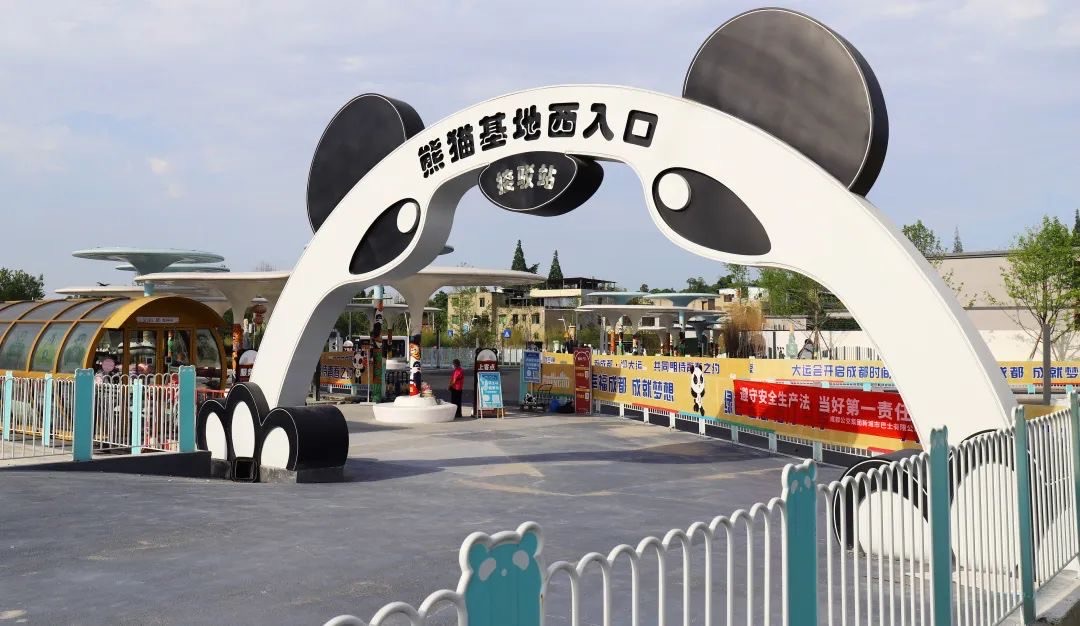
26. West Gate Viewing Platform
The West Gate Viewing Platform marks the exit of the base's expansion zone. With wide, open sightlines, it offers a sweeping panoramic view of the entire base — a fitting final stop and a great place for photographs before wrapping up the day.
The platform is one of the best spots in the base for wide-angle photography. Rest areas and a souvenir shop are located nearby. Interpretive panels about the base's history and mission give visitors a chance to reflect on everything they experienced during the day.
27. Panda Kitchen
The Panda Kitchen is where the base's staff prepare food for the giant pandas — bamboo, fruit, and specially made steamed buns called wo tou. The kitchen itself is not open to visitors, but the area nearby offers insight into what pandas eat and how their meals are put together.
A food preparation display area near the kitchen explains the dietary structure and nutritional needs of giant pandas, with illustrated panels and physical samples showing daily food quantities and variety. A panda-themed gift shop at the kitchen exit sells panda souvenirs.
28. Panda Charm Theater
The Panda Charm Theater is the base's performance venue, hosting regular panda-themed interactive shows and educational talks. The theater is equipped with a modern stage and sound system, and the program lineup includes keeper-panda interaction demonstrations and explanations of panda behavior and habits.
The theater's keeper-panda interaction shows give visitors an up-close look at the pandas' intelligence and their relationship with the humans who care for them. Conservation education is woven naturally into the performances. A rest area inside the theater lets visitors relax and wait before showtime. A panda-themed merchandise shop is located within the theater where souvenirs can be purchased.
29. Panda Post Office
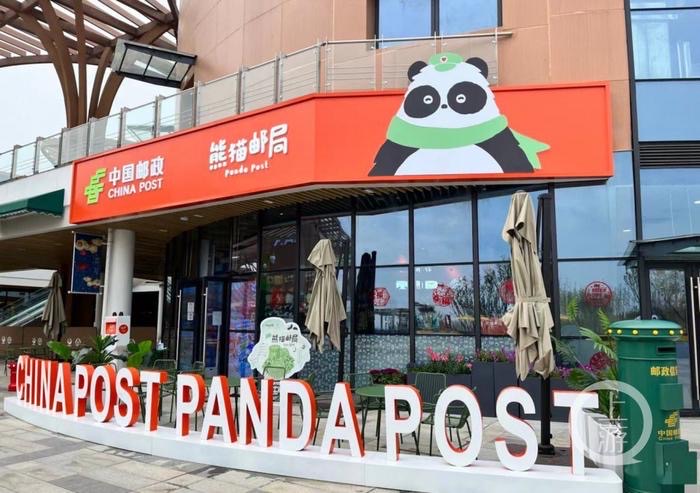
The Panda Post Office, located in the base's expansion zone, is a specialty post office operating under a creative cultural brand launched by China Post. The mascot is an endearing panda character named YOYO, and the post office has its own unique postal code and a panda-design cancellation stamp — a fusion of panda culture and postal heritage.
Visitors can send panda-themed postcards and purchase panda stamps and souvenirs. Sending a postcard stamped with the Panda Base's special cancellation mark to family or friends back home is a popular keepsake activity. Panda-themed decor and interactive elements inside the post office make it a fun spot for photos and souvenir shopping.
30. Panda Ecological Farm
The Panda Ecological Farm is a distinctive attraction in the expansion zone, featuring panda-themed planting areas, animal enclosures, and hands-on activity zones. Visitors can learn about where the pandas' food comes from, what their natural habitat looks like, and how conservation efforts work day to day.
The farm's planting area lets visitors see the bamboo and other plants that giant pandas eat. Interactive zones — including a "touch and feel panda food" experience — add an engaging dimension to the visit. A panda-themed gift shop at the exit sells panda souvenirs.
31. Panda Restaurant (Panda Base Liji)
The Panda Restaurant is a themed dining venue in the base's expansion zone. The interior is decorated with panda sculptures and panda-inspired design, and the menu focuses on Sichuan cuisine alongside panda-themed food creations. The atmosphere is warm and photogenic — a pleasant place to rest and eat.
Signature menu items include panda-style gaiwan tea lattes, bamboo-shaped green rice balls, and panda-shaped bread. The decor — panda sculptures, themed fixtures, and a creative merchandise display area — makes this equally good for a meal, a photo stop, and souvenir shopping.
14 stops, in walking order — read top to bottom, no clicking needed.

 2
 3
 4
 5
 6
 7
 8
 9
 10
 11
 12
 13
 14