Travel Guide› Chongqing› Liziba Light Rail Passing Through Building
Chongqing

Liziba Light Rail Passing Through Building 李子坝轻轨穿楼

Liziba Light Rail Passing Through Building
Address
No. 62 Liziba Main Street, Yuzhong District, Chongqing (Liziba Light Rail Station)

General Overview

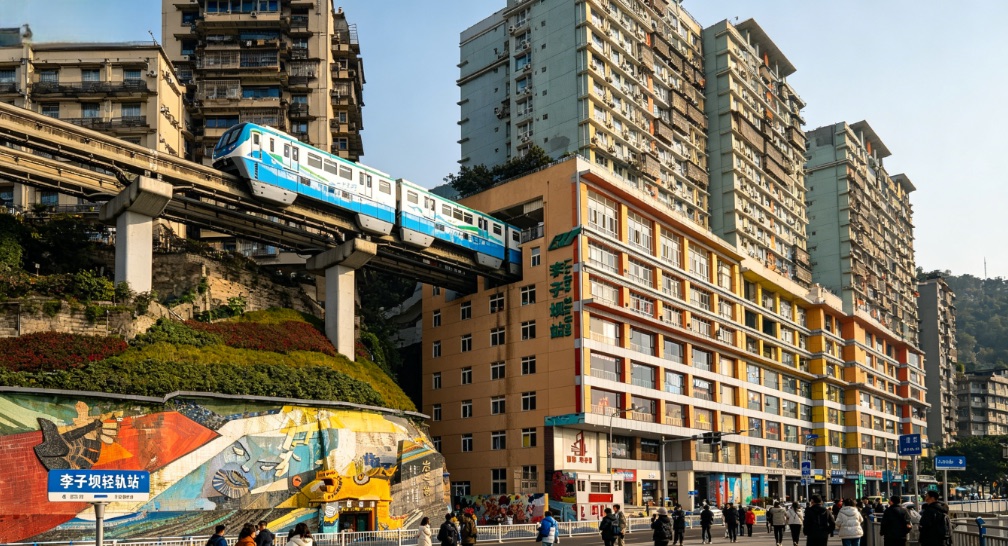
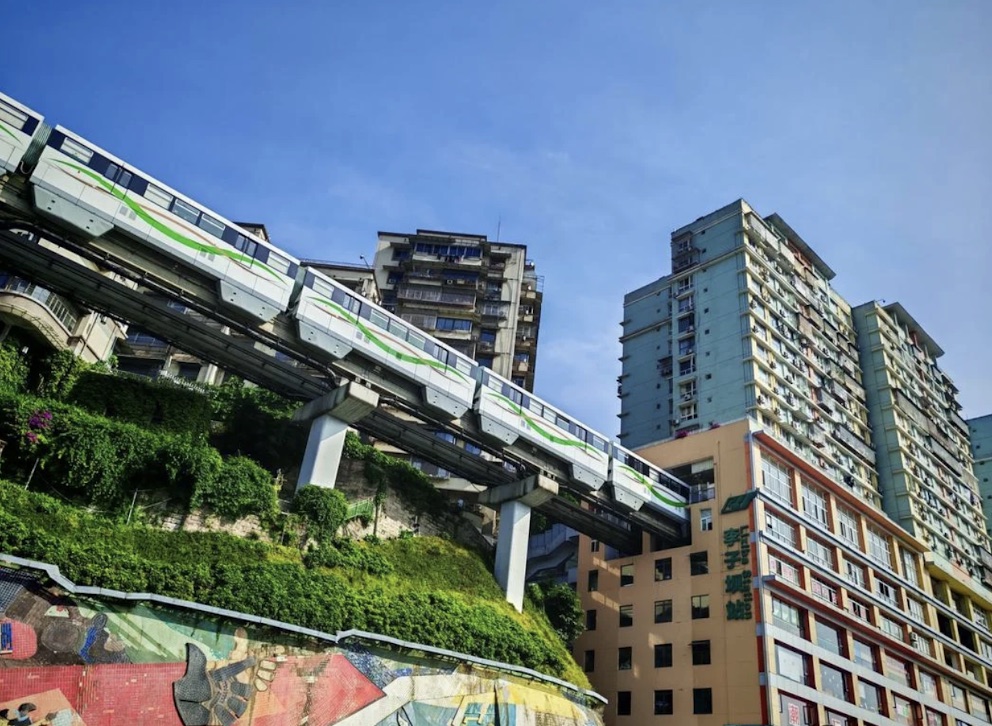
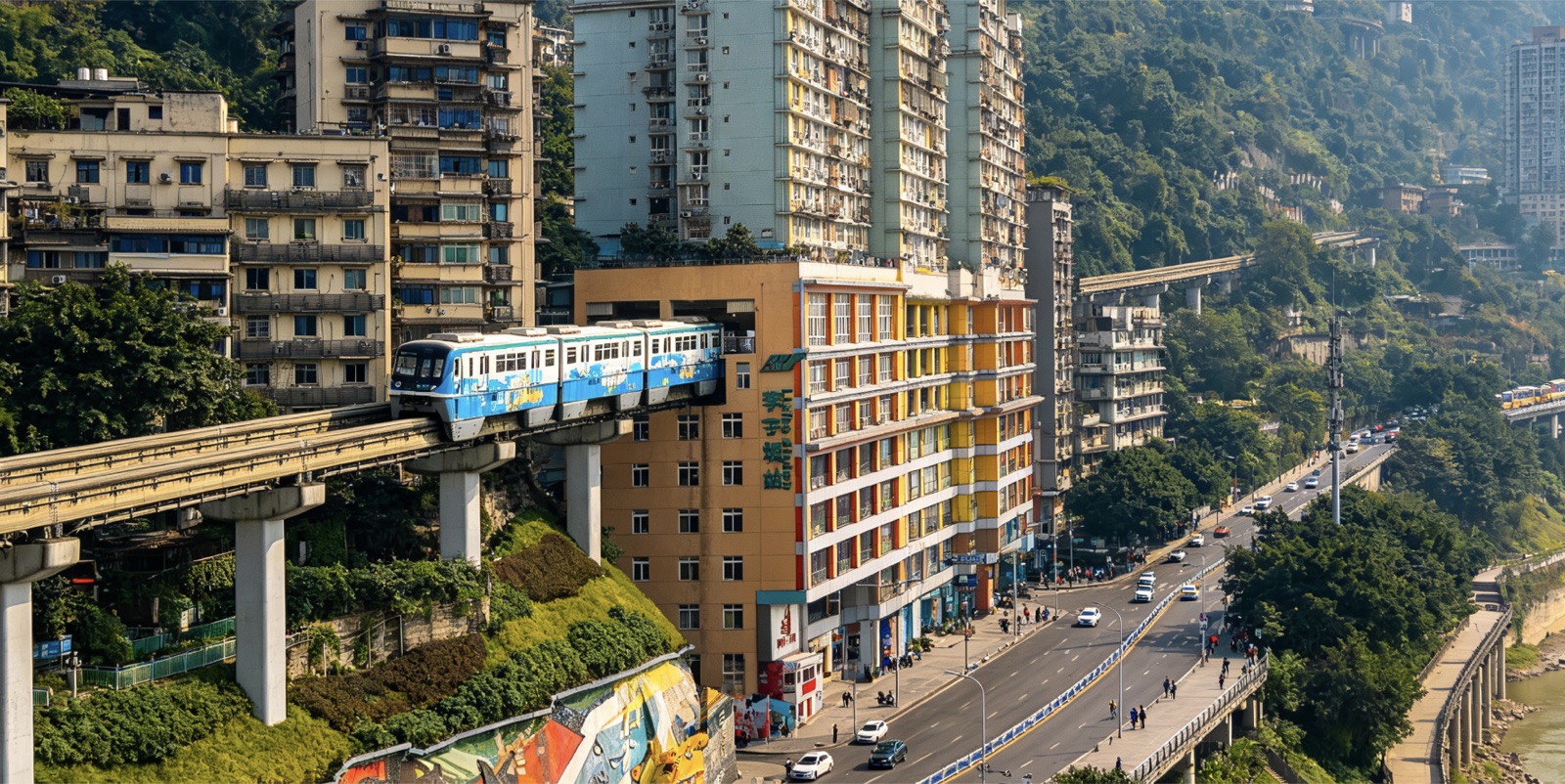
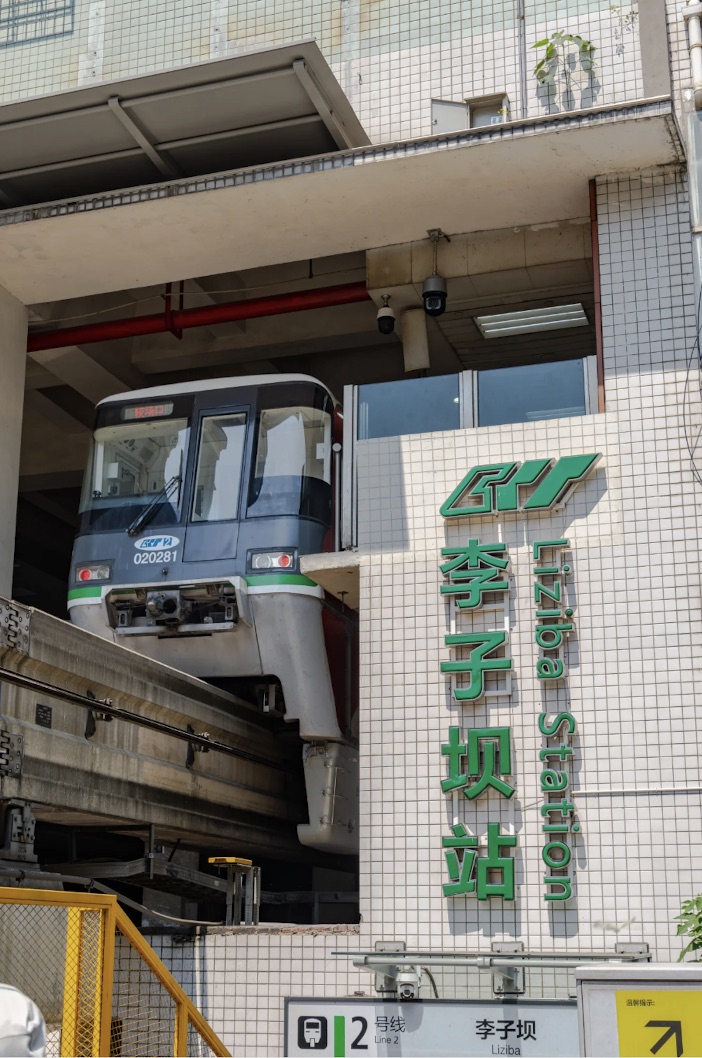
Liziba Rail Transit Through Building is located at No. 39 Liziba Zhengjie, Yuzhong District, Chongqing. It is China's first straddle-type monorail elevated station built and coexisting with a mixed-use residential and commercial tower, and a key stop on Chongqing Rail Transit Line 2. The station was completed in March 2004 and officially opened for trial operations on June 18, 2005. Its signature "rail-through-building" design has made it famous worldwide. The station and the mixed-use tower were designed, built, and put into service simultaneously using a "station-bridge separation" structural system, in which the load-bearing structure of the rail bridge and the structural columns of the building are entirely independent of each other. The result is a harmonious coexistence of modern transit and everyday city life — a showcase of the Chongqing people's ingenuity and their spirit of "carving roads through mountains." Trains pass straight through the building without disrupting residents' lives, creating a breathtaking visual spectacle that has come to define the city's reputation as an "8D fantasy metropolis."

Attractions Within This Site

  1. Liziba Viewing Platform
  2. Rail-Through-Building Main Structure
  3. Soul of Rock Relief Culture Wall
  4. Culture and Tourism Service Center
  5. Bayu Historical News Museum

Individual Attraction Descriptions (200 words or fewer each)

Liziba Viewing Platform

The Liziba Viewing Platform sits directly below Line 2's Liziba Station, covering approximately 1,367 square meters. It was purpose-built to offer visitors a full panoramic view of the train passing through the building. The platform is fully equipped with a tour-bus drop-off zone, a photography plaza, a glass walkway viewing area, and pedestrian paths. Laid out according to the "golden triangle" photographic composition principle, it provides a 360-degree, unobstructed vantage point for capturing the iconic rail shot from every angle. Public restrooms of over 140 square meters are available beneath the platform. Ground lighting synchronized with train arrival and departure times creates a rhythmic light show — the "lights move with the rails" effect — turning the platform into the ideal spot to experience Chongqing's perfect blend of fantastical transit and urban daily life.

Rail-Through-Building Main Structure

The Rail-Through-Building Main Structure is the centrepiece of Liziba Station, occupying floors 6 through 8 of the mixed-use tower at No. 39 Liziba Zhengjie. Floor 6 is the concourse level, floor 7 houses equipment, and floor 8 is the platform level. The structure covers a footprint of 3,100 square meters, with a total floor area of 6,000 square meters; each floor is approximately 3,500 square meters with a ceiling height of about 3.6 meters, and the train travels 132 meters through the building. The "station-bridge separation" structural system keeps the rail bridge's load-bearing columns completely independent of the residential tower's columns, with a 20-centimeter safety gap between them, ensuring train operations cause no disturbance to residents. Trains run on low-noise pneumatic rubber tires with air-spring suspension, keeping operating noise between 50 and 75 decibels — well below the average noise level on urban arterial roads — demonstrating how modern engineering and city living can coexist in harmony.

Soul of Rock Relief Culture Wall

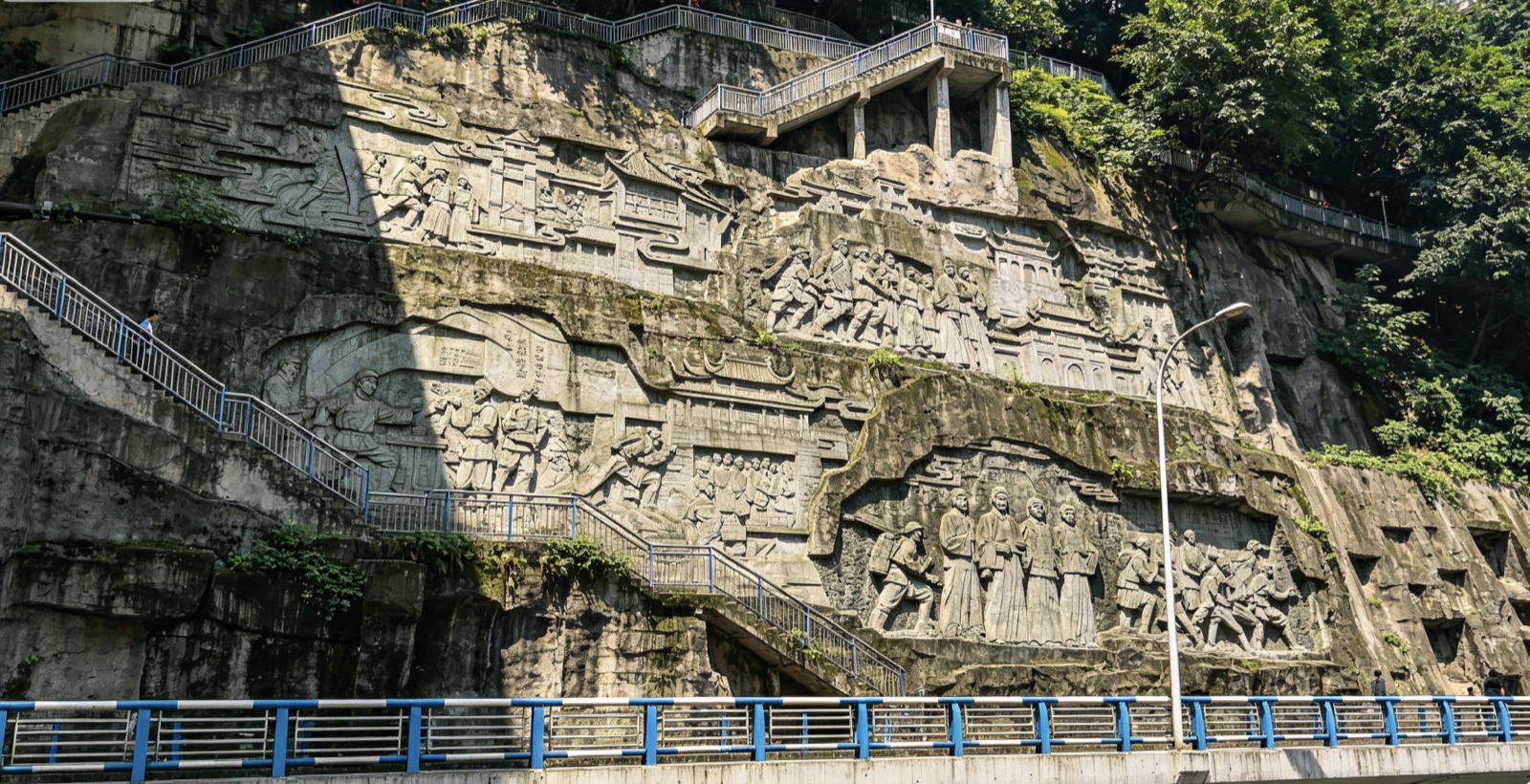
The Soul of Rock Relief Culture Wall stands on the slope beneath Liziba Station. It is a large-scale relief created by Jiang Bibo, a celebrated Chinese artist. The work stretches approximately 300 meters in length and rises about 15 meters in height. Work began in 2001, proceeding in parallel with the construction of Liziba Station, and it forms an integral part of the rail-through-building attraction. The relief employs nearly 40 colors and depicts more than a dozen faces representing people of various skin tones and hair colors — some carrying bamboo baskets on their backs, others holding briefcases — vividly capturing the diversity of Chongqing's culture and the rhythm of its urban life. The natural contour of the original slope was preserved; the upper sections follow the form of the rock face to create large portrait heads, expressing the deep bond between people and the land, and embodying the Chongqing spirit of "relentless self-improvement and virtuous generosity."

Culture and Tourism Service Center

The Liziba Culture and Tourism Service Center occupies the ground floor of the Liziba Station tower, with a floor area of approximately 500 square meters. It opened in January 2020. The center provides tourist information and showcases cultural and creative products, serving as a key hub for the "rail plus culture-tourism" integration model. Built around the "monorail-through-building" landmark as its creative IP, the center has launched over a hundred cultural products, including brass bookmark rulers shaped like the rail train, buildable block sets, and "monorail-through-building" refrigerator magnets, all woven through with elements of Chongqing's local culture. The center features a train-carriage photo zone, a model-train display area, and interactive digital screens that recreate the real rail environment and showcase scenery along the line. Annual visitor capacity is steady at one million, with cumulative visitors exceeding ten million, making it an important showcase for Chongqing's rail transit culture.

Bayu Historical News Museum

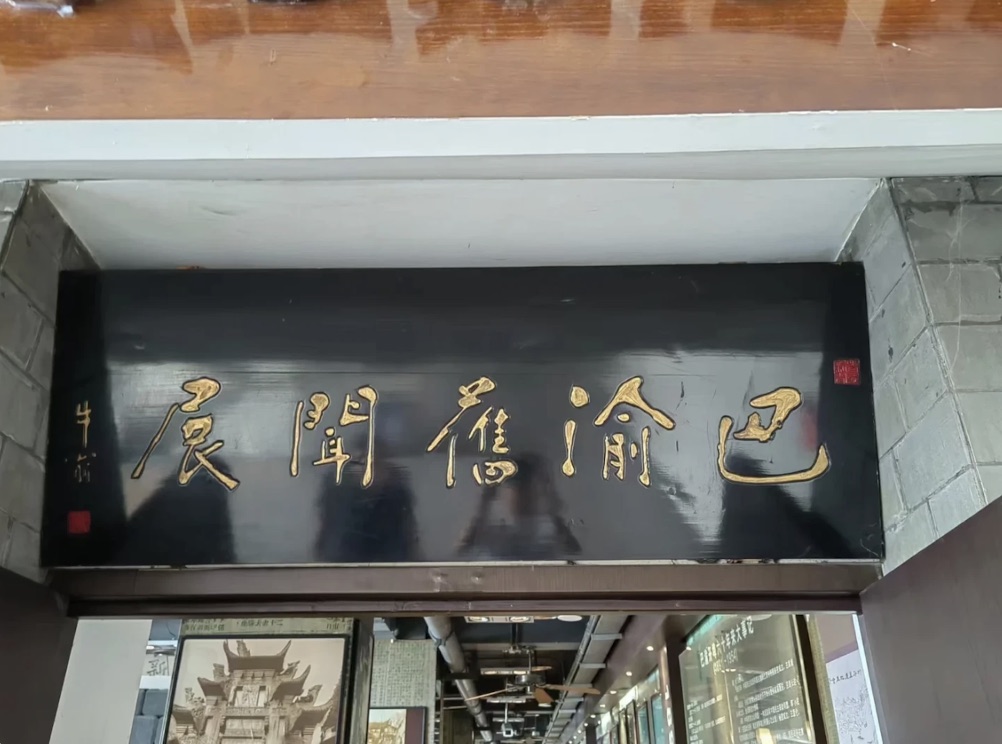
The Bayu Historical News Museum is located on the upper floors inside Liziba Station. It is a cultural space dedicated to the history of Chongqing's rail transit development and its connection to Bayu culture. Through rare old newspapers and historical archives, the museum traces the full journey of Chongqing's rail transit from planning to construction — with particular focus on the landmark 1998 decision to plan, design, and build Liziba Station and the residential tower simultaneously. The museum also features a Rail Transit Stories exhibition zone, a Bayu Culture special exhibition zone, and an interactive experience area equipped with touchscreens and other modern technology, inviting visitors to explore how rail transit and urban culture intertwine. Opening hours are 06:30–20:30.

Practical info Opening hours · Ticket · Getting there
Opening hours
  • Viewing Platform: Open 24/7
  • Light Rail Operating Hours: About 06:30-23:00 (trains run about every 6-8 minutes)
  • Note: You can see the light rail passing through the building at any time during the day; if you want to photograph the classic scene of the train passing through the building, it is recommended to check the light rail schedule in advance and arrive at the viewing platform 5 minutes before the train arrives to secure a spot
Ticket
  • Free admission (no ticket required for the viewing platform; riding the light rail requires purchasing a ticket, starting price 2 RMB)
Getting there
  • Rail Transit: Take Chongqing Rail Transit Line 2, get off at Liziba Station, walk about 2 minutes from Exit A to the viewing platform (experience the wonderful feeling of "passing through the light rail station")
  • Bus: Take buses 210, 215, 219, 261, 318, 501, 503, 802, etc., get off at Liziba Station, walk about 5 minutes
  • Taxi/Ride-hailing: Directly tell the driver "Liziba Light Rail Station" or "Liziba Viewing Platform"; you will arrive right at the destination
  • Note: The viewing platform has limited space and extremely high visitor traffic during holidays; off-peak visits are recommended; the best photo spots are the front of the viewing platform and the Zengjiayan riverside on the opposite side of the Jialing River

Inside Liziba Light Rail Passing Through Building

6 stops, in walking order — read top to bottom, no clicking needed.

1 Metro Liziba Station Exit 1 of 6

Metro Liziba Station Exit 1

轨道李子坝站1号出口

Metro Liziba Station Exit 1 is located on the side of the station building facing the Jialing River, serving as the primary entrance for visitors to experience the train-through-building marvel up close. Following the signs from inside the station to Exit 1, the moment you push open the glass doors and look up, you can see Line 2 trains gliding through the residential building overhead, just an arm's length away. The engine sound and laundry hanging from residents' windows create a fascinating coexistence. Simple guideboards and marked photo spots outside the exit indicate the best shooting angles and approximate train schedules. Many visitors linger here waiting for the perfect moment a train passes through, pressing the shutter to capture this urban wonder. The exit connects directly to Liziba Zheng Street, with steps leading down to the observation platform, making it the natural starting point for exploring the entire attraction.

On-site narration · read it where you stand

Welcome, everyone! Thank you for joining us at Liziba Station on Chongqing Rail Transit Line 2 — China's first straddle-type monorail elevated station built and coexisting with a mixed-use residential and commercial tower. Today we'll move in order: Exit 1 → Viewing Platform → Soul of Rock Relief Wall → Culture and Tourism Service Center → Bayu Historical News Museum → Rail-Through-Building Main Structure. Together we'll take in this engineering marvel and cultural landmark known as the defining symbol of Chongqing's "8D fantasy metropolis."

Liziba Station was completed in March 2004 and officially opened for trial operations on June 18, 2005. The building rises 19 floors in total: floors 1–5 are commercial retail, floors 6–8 are the rail transit zone, and floors 9–19 are residential apartments. The design seamlessly embeds the monorail track into a residential tower, with trains running through floors 6 to 8 — a globally rare "rail-through-building" phenomenon. This was no architectural whim but a natural response to Chongqing's dramatic terrain, and a testament to the ingenuity of its people. The station and the tower were designed, built, and put into service simultaneously using a "station-bridge separation" structural system, keeping the rail bridge and the building's load-bearing structure entirely independent of each other — effectively eliminating any structural force transfer or vibration between the two.

We'll now exit through Exit 1 and make our way down to the viewing platform for our first stop — the Liziba Viewing Platform.

Liziba Observation Platform

李子坝观景平台

The Liziba Observation Platform is located on the Binjiang Road side of the Jialing River opposite Liziba Station. It was specially built by the Yuzhong District government in 2017 to provide a safe, spacious shooting space for the growing number of visitors. Covering approximately 1,500 square meters, the platform features a cantilevered steel structure extending several meters toward the Jialing River, offering an extremely open view. Looking up from here, the scene of Line 2 trains passing through the 6th to 8th floors of the residential building is fully visible—the best position for the classic train-through-building shot. Colorful graffiti and marked photo spots on the platform floor indicate recommended distances for shooting. The platform is equipped with sunshades, seating, drinking water facilities, and an electronic display showing real-time train arrival information. During holidays, the platform is packed with visitors and cameras, making it one of Chongqing's most popular internet-famous spots.

On-site narration · read it where you stand

We've arrived at the Liziba Viewing Platform — a purpose-built observation space designed for photographing the full panorama of the train passing through the building. The platform covers approximately 1,367 square meters and comes fully equipped with a tour-bus drop-off zone, a photography plaza, a glass walkway viewing area, and pedestrian paths.

Look ahead — that tall mixed-use tower in the distance, with the monorail train threading right through it: that's the "station within a building, building within a station" effect that makes this place so surreal. This scene could only have been born from Chongqing's rugged mountain-city terrain, and it stands as a perfect example of rail transit and urban architecture in complete harmony. The ground lighting here is synchronized with train arrival and departure times, creating a rhythmic light display — the "lights move with the rails" effect — that pulses in visual sync with passing trains.

The platform features two themed lighting modes: "Warm Neighborhood" and "Forest Song." "Warm Neighborhood" uses warm tones to capture the cozy atmosphere of Chongqing community life, while "Forest Song" runs in blue-green tones that echo the forest-green livery of the monorail trains, conjuring a sense of nature and city blending into one. The glass walkway viewing area also offers sweeping views of the Jialing River alongside the spectacular sight of the train piercing the building.

Trains run every 5 to 7 minutes. Burst mode is the best way to catch the moment the train nose clears the building's edge. For the sharpest shot, stand at a 45-degree angle to the direction of travel. 10 a.m. is the sweet spot for light — the sun hits the building at an angle that produces crisp, dramatic shadows.

We'll now walk roughly 120 meters along the footpath toward Fotuguan, cross at the zebra crossing there, and head to our next stop — the Soul of Rock Relief Culture Wall.

Spirit of Rock Relief Culture Wall

岩之魂浮雕文化墙

The Spirit of Rock Relief Culture Wall is located on the hillside retaining slope next to the Liziba Observation Platform—a large relief art group created on the existing retaining wall surface. The relief spans over 100 meters in length and several meters in height, with Chongqing's unique landscape and cultural history as its creative thread. Classic Ba-Yu imagery—stilt houses, stone-paved roads, riverside piers, boat trackers, and old city gates—are layered and carved into the rock face. From afar it resembles an unfolded giant scroll; up close, rich details emerge: an old man carrying water, children at play, fishing boats rowing on the river—each scene vividly recreating old Chongqing's street life. The relief combines realistic and impressionistic techniques, with bold, powerful lines and distinct light-and-shadow layers that produce different visual effects under varying sunlight. The wall not only beautifies the otherwise plain slope but also adds a cultural immersion experience for visitors waiting for trains, making it an unmissable artistic highlight of the Liziba area.

On-site narration · read it where you stand

We're now standing in front of the Soul of Rock Relief Culture Wall beside Liziba Station. This monumental relief was created by celebrated Chinese artist Jiang Bibo and stretches approximately 300 meters in length with a height of about 15 meters.

Work on the relief began in 2001, running in parallel with the construction of Liziba Station itself, making it an integral part of the rail-through-building attraction as a whole. The work employs nearly 40 colors and depicts more than a dozen faces — people of various skin tones and hair colors, some carrying bamboo baskets on their backs, others with briefcases in hand — vividly capturing the diversity of Chongqing's culture and the textures of its everyday city life. The original contour of the slope was kept intact, and the upper sections of the relief follow the natural shape of the rock face to create large portrait heads, expressing the deep bond between people and the land.

When designing the piece, Jiang Bibo deliberately preserved the uneven surface of the slope so that the relief would merge organically with the natural mountainside. She explained: "The unique form of the slope's rock face is a treasure in itself. It stands guard on the high ground above the Jialing River, a witness to Chongqing's history. This city of heroes gave birth to the Red Crag spirit, and its people carry a will as unyielding as stone."

The relief wall was conceived and built as an attraction in its own right — it was, in fact, already famous before Liziba Station ever opened. When the monorail began its sightseeing runs in December 2004, the relief wall had already drawn the attention of artists from China and abroad, becoming one of Chongqing's most striking landmarks. Since then, after multiple rounds of renovation and upgrading, it has grown into an important gateway for visitors to discover Chongqing's ancient Bayu culture.

We'll now head back to Liziba Station for our next stop — the Culture and Tourism Service Center.

Cultural Tourism Service Center

文旅服务中心

,。,。、、。,、。,。,、、3D。360,。,。

The Cultural Tourism Service Center is located near the Liziba Observation Platform, serving as the core supporting facility for the entire Liziba train-through-building attraction. The center features a modern, clean glass-curtain-wall exterior that creates an interesting contrast with the surrounding old mountain-city streets. Inside, it has four functional zones: a visitor information desk, rest area, cultural merchandise display area, and multimedia experience area. The information desk is staffed with bilingual (Chinese-English) personnel providing attraction maps, train schedules, and nearby dining recommendations. The rest area offers comfortable seating and free drinking water for visitors waiting between train pass-throughs. The merchandise area sells train-through-building-themed souvenirs including fridge magnets, postcards, hand-drawn maps, and 3D assembly models. The multimedia area plays documentaries about the construction of Liziba Metro and 360-degree panoramic footage on large screens, letting visitors understand the story behind this engineering marvel. The center also provides luggage storage and barrier-free access, making it the ideal first stop and supply point.

On-site narration · read it where you stand

We've arrived at the Liziba Culture and Tourism Service Center, located on the ground floor of the Liziba Station tower, with a floor area of approximately 500 square meters. It opened for business in January 2020.

The center provides tourist information and showcases cultural and creative products, serving as a key hub for the "rail plus culture-tourism" integration model. It has also served as a filming location for the movies "Us and Them" and "Cook Up a Storm," adding to its cultural significance. The center features a train-carriage photo zone, a model-train display area, and interactive digital screens that recreate the real rail environment and showcase scenery along the line.

In December 2025, the Chongqing Rail Transit Visitor Service Center and Liziba Cultural Creative Theme Hall project was selected as a "Model Case for Integrated Transport and Tourism Development" — recognized as an innovative example of public transit and cultural tourism integration at the national level. The center's range of cultural and creative products has now expanded to over 900 items, including brass bookmark rulers shaped like the rail train, buildable block sets, and "monorail-through-building" refrigerator magnets, all reflecting the cultural depth and regional character of Chongqing's rail transit.

We'll now take the elevator upstairs to our next stop — the Bayu Historical News Museum.

Ba-Yu Old News Gallery

巴渝旧闻馆

The Ba-Yu Old News Gallery is a distinctive cultural venue within the Liziba train-through-building attraction, themed around modern Chongqing newspapers and journalism. Through physical exhibits, illustrated panels, and multimedia interactives, it presents a century of evolution in Chongqing's press and public opinion—from the late Qing and early Republic to the reform and opening-up era. The gallery houses a collection of original and reprinted old newspapers, including historically significant titles such as Chongqing Daily, Xin Shu Bao, and Ta Kung Pao, whose front pages record major historical moments of Chongqing as wartime capital, industrial hub, and municipality. An "Old Papers, New Read" interactive station lets visitors browse electronic versions of vintage newspapers via touchscreen, experiencing the reading feel of the lead-type era. Themed wall panels connect key nodes in Chongqing's press history—from the story of Baixiang Street's "Newspaper Row" to the wartime years of Xinhua Daily in Chongqing. This micro-gallery hidden beside the train-through-building offers visitors a unique window into understanding Chongqing through the lens of journalism.

On-site narration · read it where you stand

We're now inside the Bayu Historical News Museum, situated on the upper floors of Liziba Station. This cultural space is dedicated to the history of Chongqing's rail transit development and its connection to Bayu culture. The museum is open daily from 06:30 to 20:30.

Through rare old newspapers and historical archives, the museum traces the full journey of Chongqing's rail transit from planning through to construction. The spotlight falls on the landmark 1998 decision to simultaneously plan, design, and build Liziba Station and the residential tower above it — a case study in the ingenuity and boldness with which Chongqing's people tackled the challenge of fitting urban transit into a city of limited space.

The museum is divided into three zones: the Rail Transit Stories exhibition zone, the Bayu Culture special exhibition zone, and an interactive experience area. In the Rail Transit Stories zone, visitors can explore old newspapers and historical records documenting the debates and solutions surrounding the 1998 planning process. The Bayu Culture zone presents findings from Three Gorges cultural heritage protection work. The interactive area features touchscreens and other modern technology, inviting visitors to explore how rail transit and urban culture have intertwined over the decades.

The Bayu Historical News Museum is a living embodiment of the "one line, one culture" philosophy guiding Chongqing's rail transit development. Since its renovation and upgrade in 2023, the museum has welcomed over a thousand visitors, enriching the journey for everyday commuters while deepening the cultural resonance of Liziba Station as a whole — making it an important window onto Chongqing's heritage.

We'll take the elevator up once more to our final stop — the Rail-Through-Building Main Structure.

Train-Through-Building Main Structure

轨道穿楼主体建筑

The train-through-building main structure is a multi-use residential-commercial building on Liziba Zheng Street in Yuzhong District, built in the early 2000s, and also the station building for Liziba Station on Chongqing Metro Line 2. The 19-story building houses the metro platform and tracks on the 6th to 8th floors, with trains passing directly through the middle of the structure. The lower floors (1–5) contain shops, and the upper floors (9–19) house residential apartments. This unique "rail-residential coexistence" design is extremely rare both nationally and globally. Its secret lies in the independent load-bearing structure and vibration isolation system between the track level and residential floors—track beams are supported by dedicated columns completely separated from the residential floor slabs, so residents upstairs barely feel vibration or noise when trains pass through. The exterior is clad in light-colored tiles, with two square openings where trains emerge and re-enter serving as the most recognizable visual symbols. Each time a train roars through, the massive body emerging from and disappearing into the building is a textbook example of urban architecture and rail transit integration, making this building one of Chongqing's most famous city cards.

On-site narration · read it where you stand

We've reached the Rail-Through-Building Main Structure, occupying floors 6 through 8 of the mixed-use tower at No. 39 Liziba Zhengjie. Floor 6 is the concourse level, floor 7 houses equipment, and floor 8 is the platform level. The structure covers a footprint of 3,100 square meters with a total floor area of 6,000 square meters. Each floor is approximately 3,500 square meters with a ceiling height of about 3.6 meters, and the train travels 132 meters through the building.

The structure uses a "station-bridge separation" system in which the rail bridge and the tower's structural columns are completely independent, with a 20-centimeter safety gap between them. The six pile foundations supporting the rail track beam reach approximately 38 meters down to bedrock, while the tower itself rests on more than 90 piles, each approximately 69 meters deep. The two systems share no load path whatsoever.

Trains run on low-noise pneumatic rubber tires with air-spring suspension, keeping operating noise between 50 and 75 decibels — well below the average noise level on urban arterial roads. Measured data shows indoor noise levels in the residential units remain below 45 decibels during the day and below 35 decibels at night, fully meeting — and in many cases exceeding — national residential standards.

The monorail threading through floors 6 to 8 of a residential tower not only solved the unique topographical challenges of a mountain city but also maximized land efficiency and the use of limited urban space. Station and tower were designed, built, and put into service at the same time — a reflection of the Chongqing spirit of "carving roads through mountains."

You're now free to explore the concourse level up close and take in the details of where track meets building. Please follow staff directions and move through the space in an orderly way so as not to disrupt fellow passengers.

Liziba Station stands as a landmark moment in the history of China's urban rail transit — and a crystallization of the Chongqing people's creativity. This innovative "rail-through-building" solution didn't just resolve the tension between transit infrastructure and built space; it created a one-of-a-kind urban spectacle that has become a symbol of Chongqing itself.

Thank you so much for joining us today. We hope this tour has given you a real feel for Chongqing's extraordinary blend of fantastical transit and vibrant city culture, and that it leaves you with memories to treasure. We wish you safe and happy travels ahead.

Prefer to be shown around?

A local guide walks these 6 stops with you and answers what the page cannot.

Browse tours ↗