General Overview
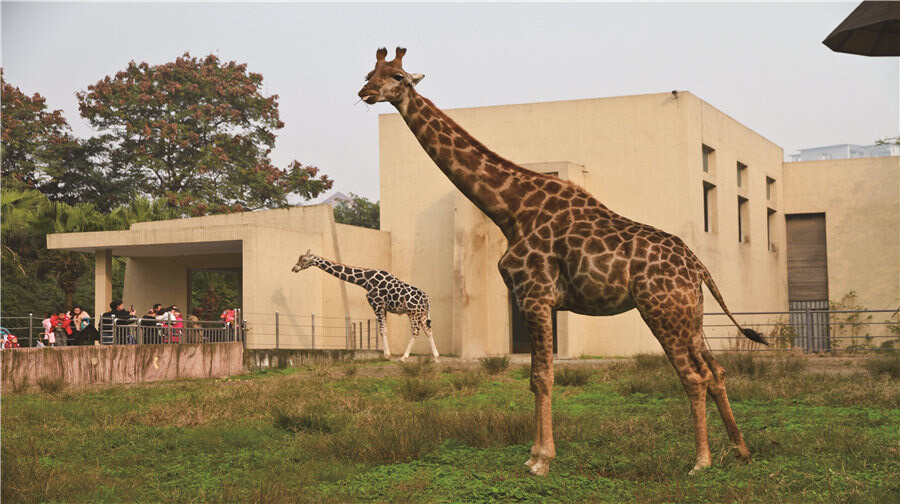
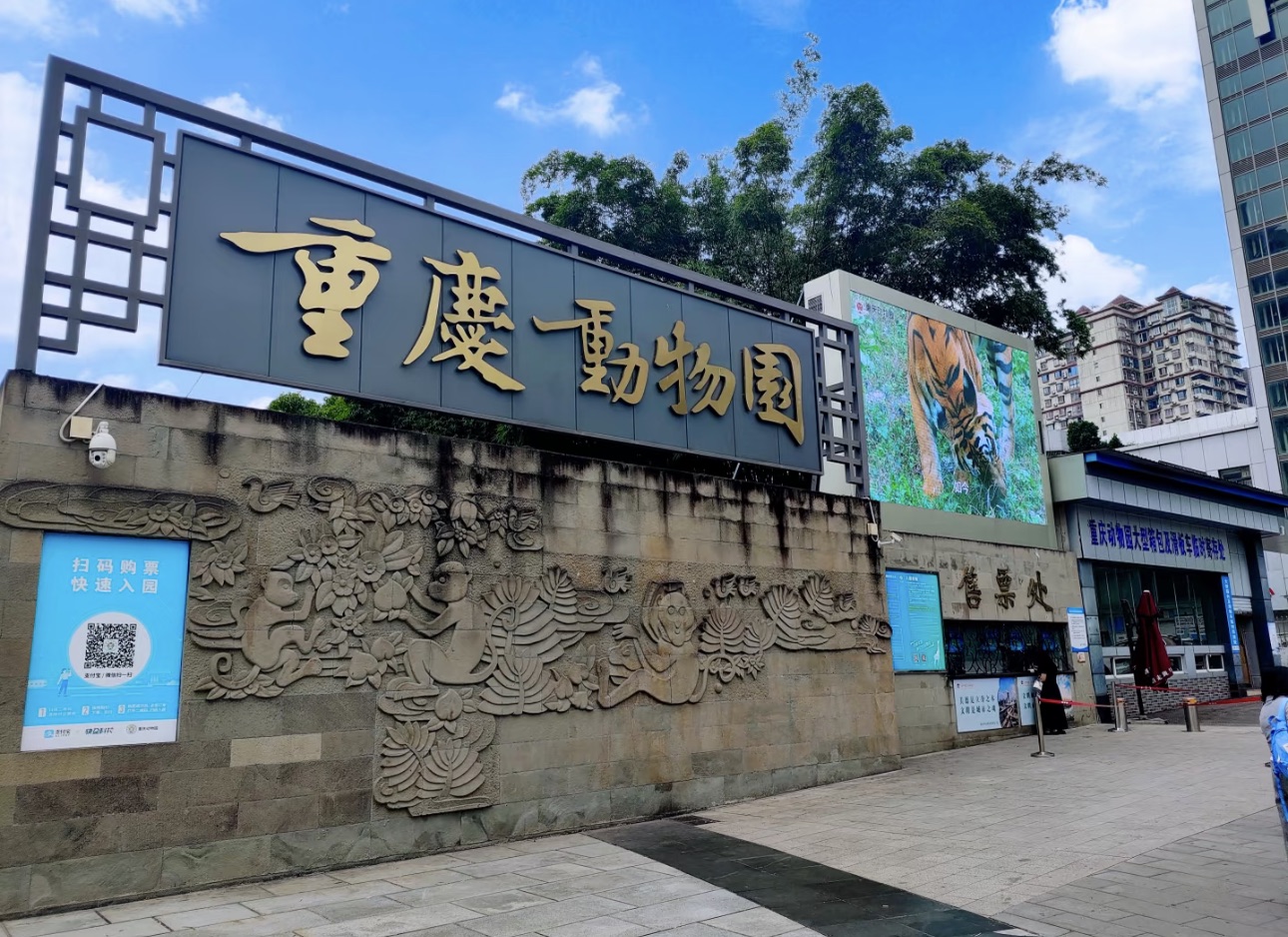
Chongqing Zoo is located in Yangjiaping, Jiulongpo District, Chongqing. Founded in 1955, it is one of China's largest comprehensive urban zoos. Built across hilly terrain, the park is embraced by green ridges, with Taohua Stream winding through its grounds. The naturally undulating landscape gives rise to a distinctive mountain-garden setting. As a nationally designated key park and an important off-site wildlife conservation base, the zoo features specialized venues including the Giant Panda House, the Goldfish Pavilion, the Amphibian and Reptile Hall, and the Bird Zone. Beyond its core mission of protecting, researching, and breeding rare and endangered wildlife, the zoo serves as an urban eco-destination that brings together science education, natural scenery, and the cultural history of this hillside city.
Highlights at Chongqing Zoo
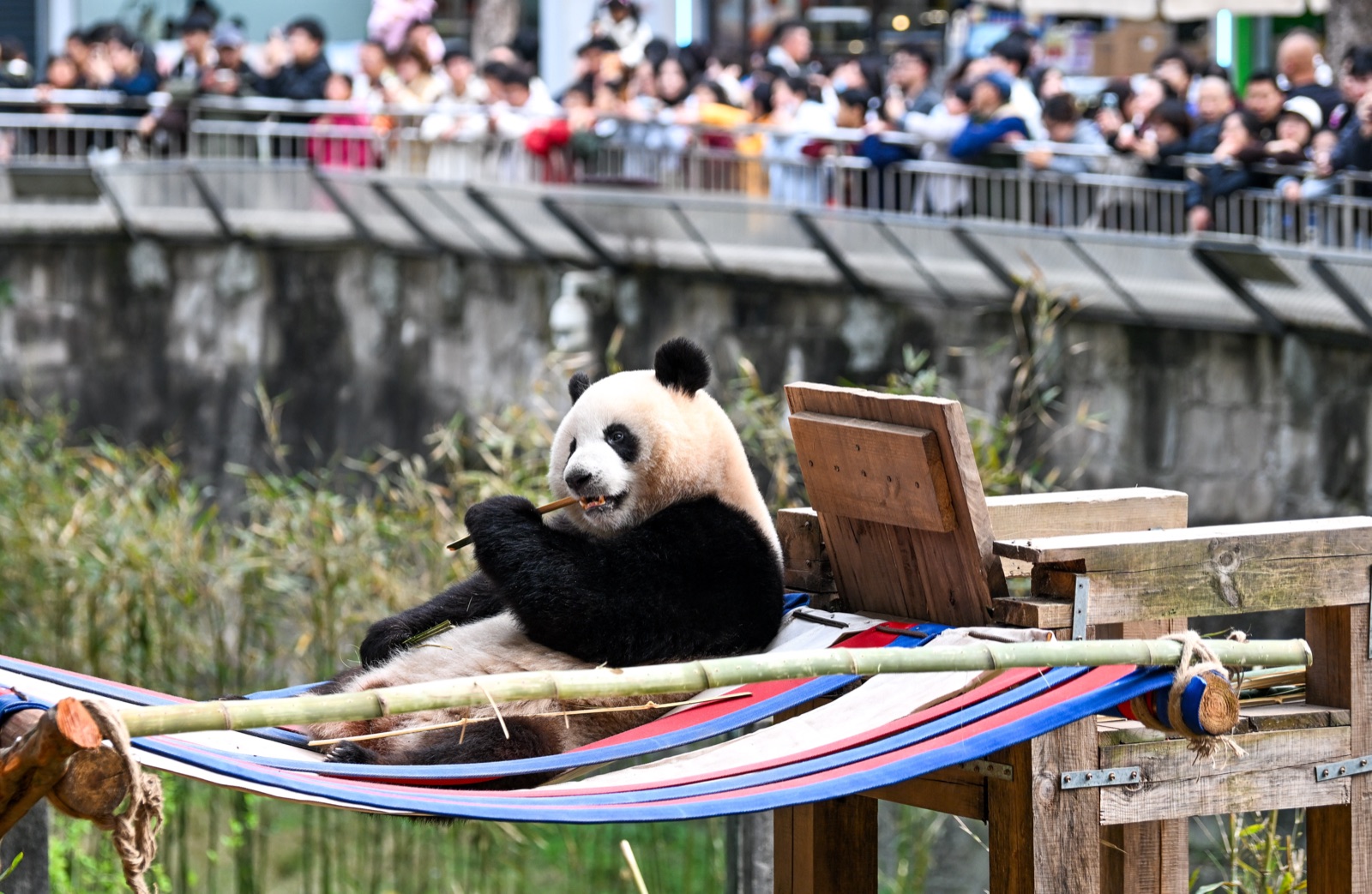
1. Giant Panda House
The Giant Panda House is the zoo's flagship venue and one of China's most renowned giant panda breeding and conservation centers. The facility is divided into an indoor enclosure and an outdoor activity area, with a design that weaves together natural landscape elements and classical Chinese garden aesthetics. The house is home to several giant pandas of varying ages, including the panda family famous for their outdoor interactions and their habit of gathering around a stone table — a scene locals have nicknamed "hot-pot around the fire." The habitat is crafted to closely mimic the pandas' wild environment, making this the best place to watch them play, eat, and thrive up close.
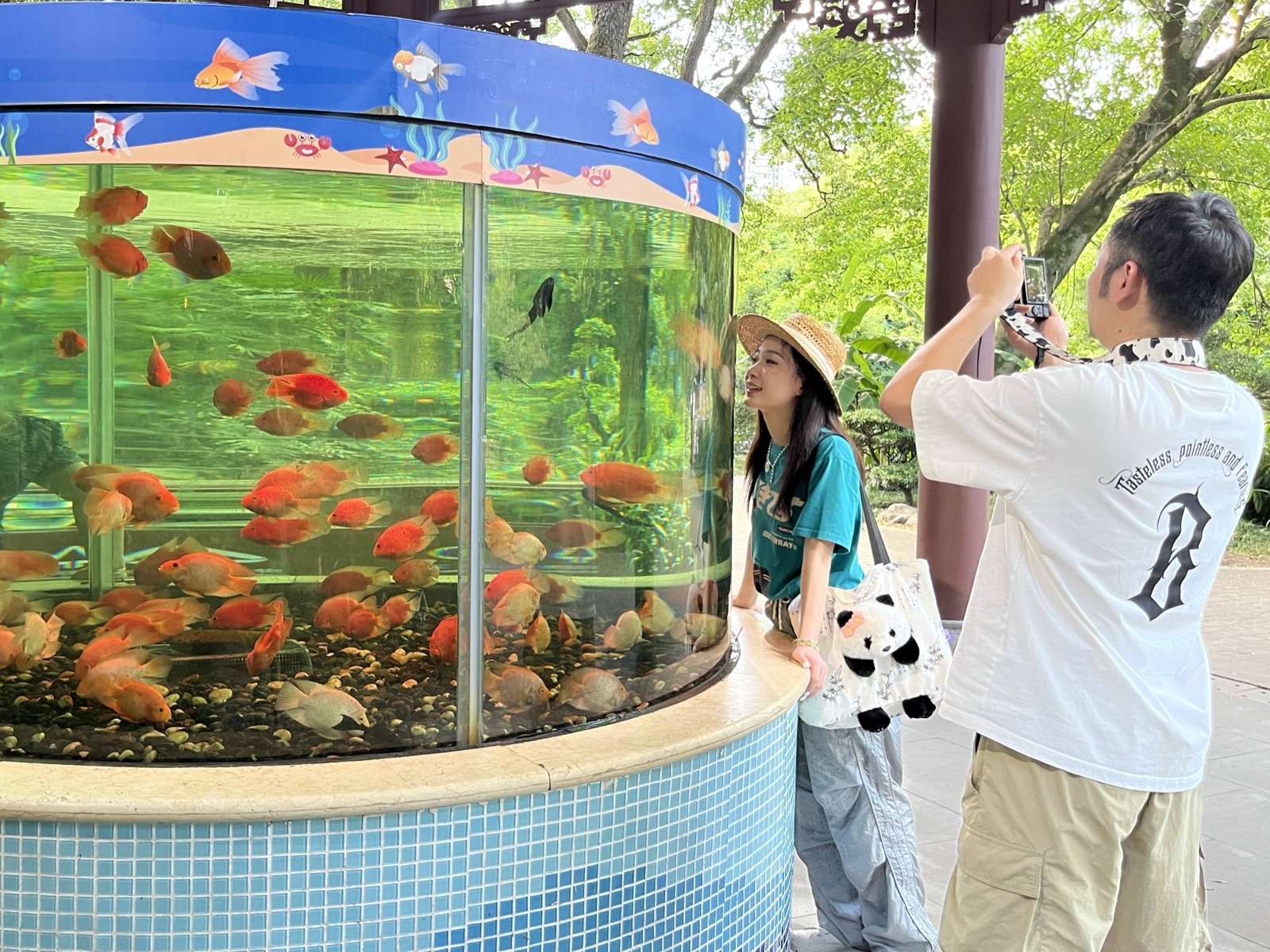
Goldfish Pavilion
The Goldfish Pavilion is nestled against a hillside beside the water, built in the style of traditional Chinese garden architecture. Winding covered walkways connect ancient-style pavilions with fish ponds that evoke the gardens of southern China, creating an intimate and elegant atmosphere. On display are over a hundred prized Chinese goldfish varieties — including classic breeds such as the Bubble-Eye, the Lionhead, and the Dragon-Eye — along with a selection of ornamental aquatic species. The pavilion is a seamless marriage of China's time-honored "fish culture" and Jiangnan garden aesthetics, showcasing the artistry of Chinese horticulture and aquaculture at its finest.
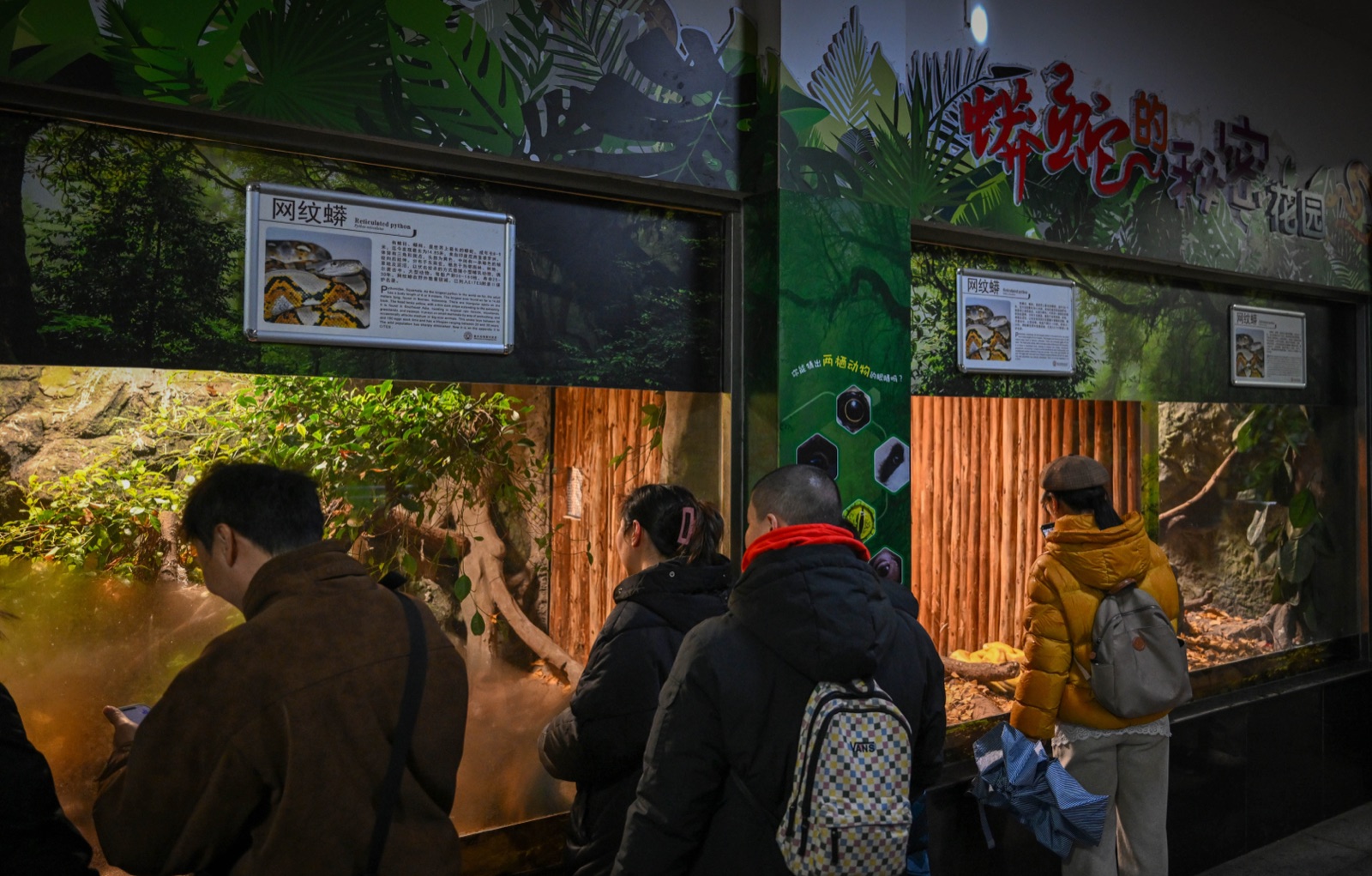
Amphibian and Reptile Hall
The Amphibian and Reptile Hall is a modern themed venue that combines science education with ecological simulation. Its biomorphic architecture houses an advanced climate-control system that faithfully recreates multiple wild environments — from tropical rainforests to arid desert landscapes. The hall displays and breeds rare amphibians and reptiles from around the world, including the Chinese Alligator, monitor lizards, rare pythons, and a variety of turtles and tortoises. It serves as an important public resource for learning about the evolutionary history and conservation of amphibians and reptiles.
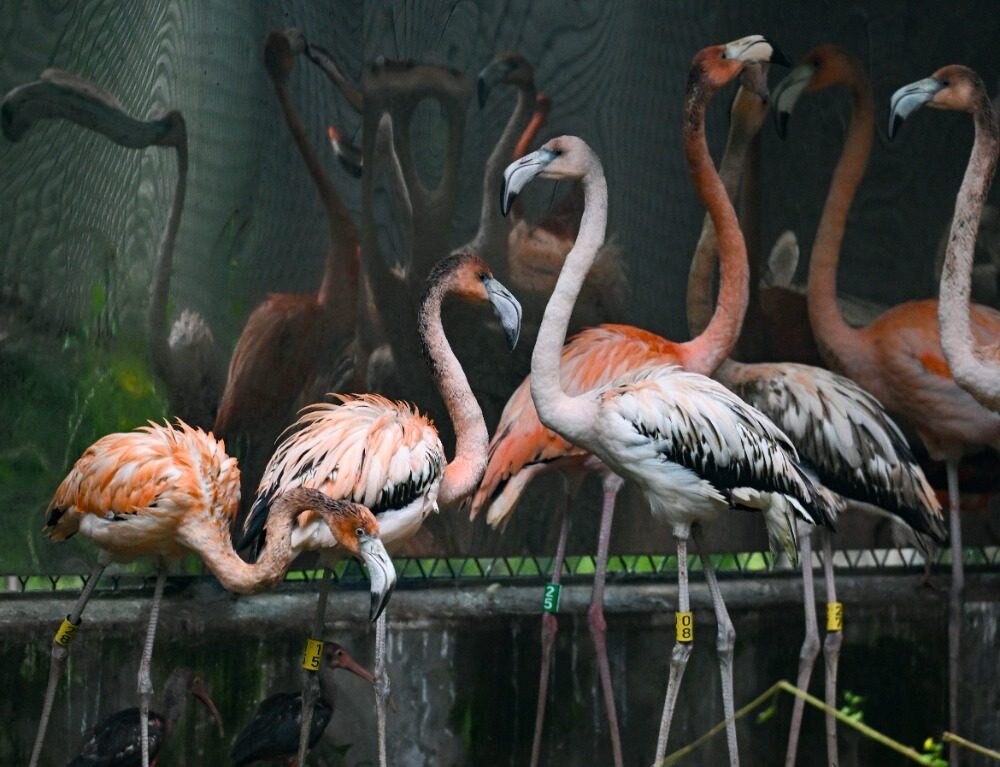
Bird Zone
The Bird Zone occupies the most densely wooded natural slope in the park, comprising a large wading-bird lake, a songbird corridor, and an elevated free-flight aviary. By cultivating layered ecological habitats — wetlands, shrublands, and forest canopy — the zone provides a high-quality home for hundreds of rare bird species. Visitors can admire the graceful movements of red-crowned cranes, golden pheasants, flamingos, and other rare species from China and abroad, all against a backdrop of birdsong. With the park's structures quietly hidden within the mountain forest, the Bird Zone brings to life the ideal of humans and nature living in harmony.
5 stops, in walking order — read top to bottom, no clicking needed.

 2
 3
 4
 5