Lujiazui Financial District
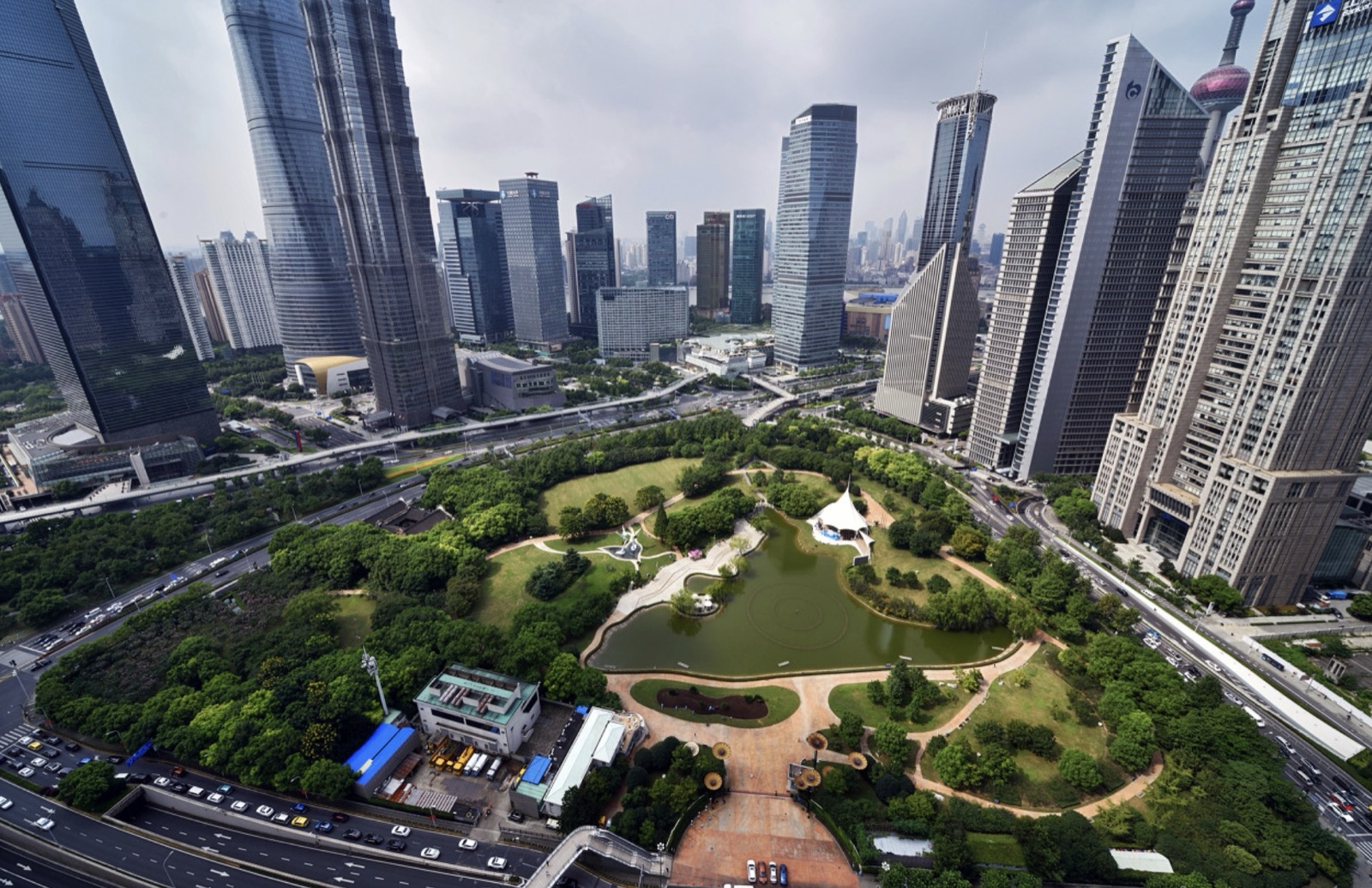
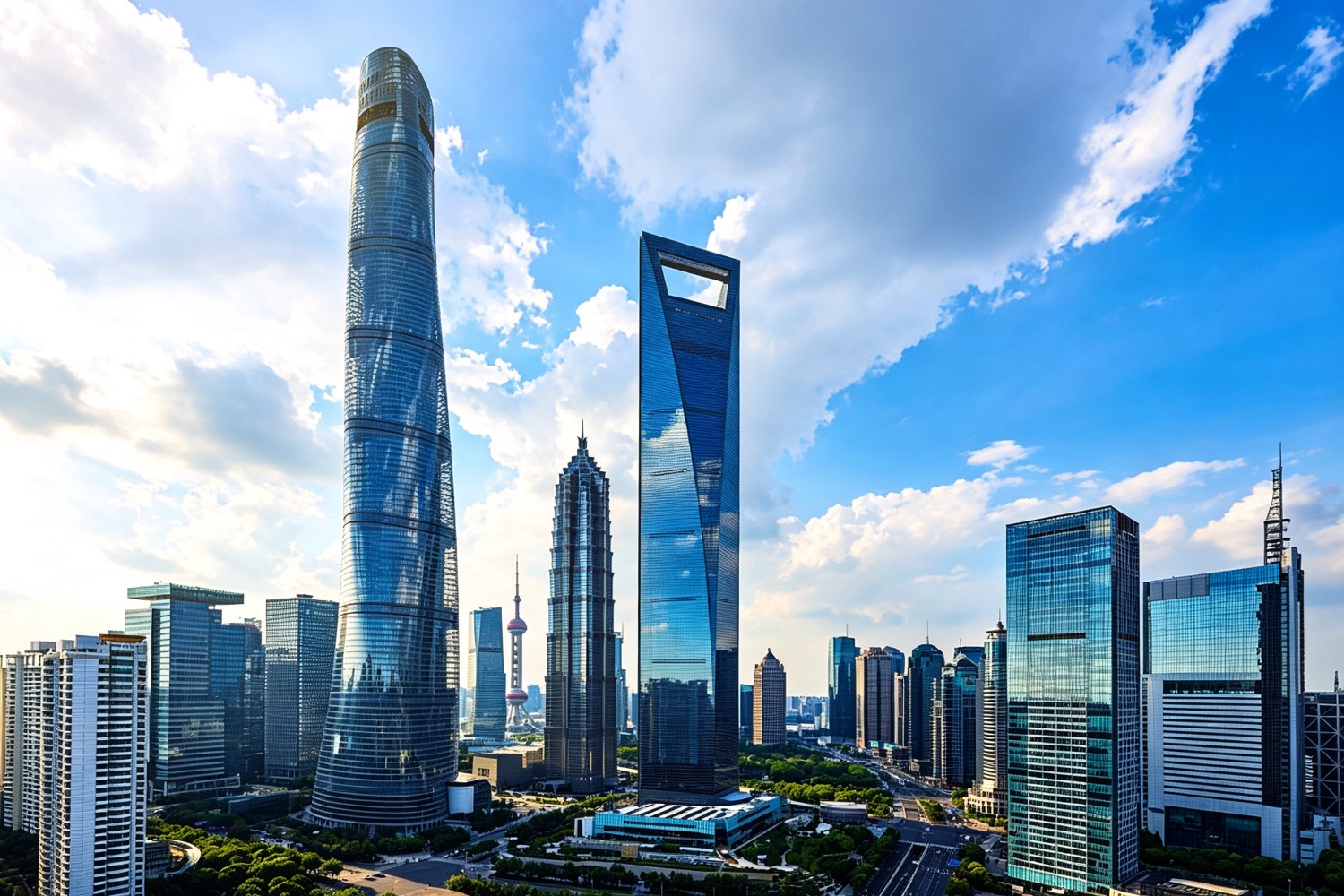
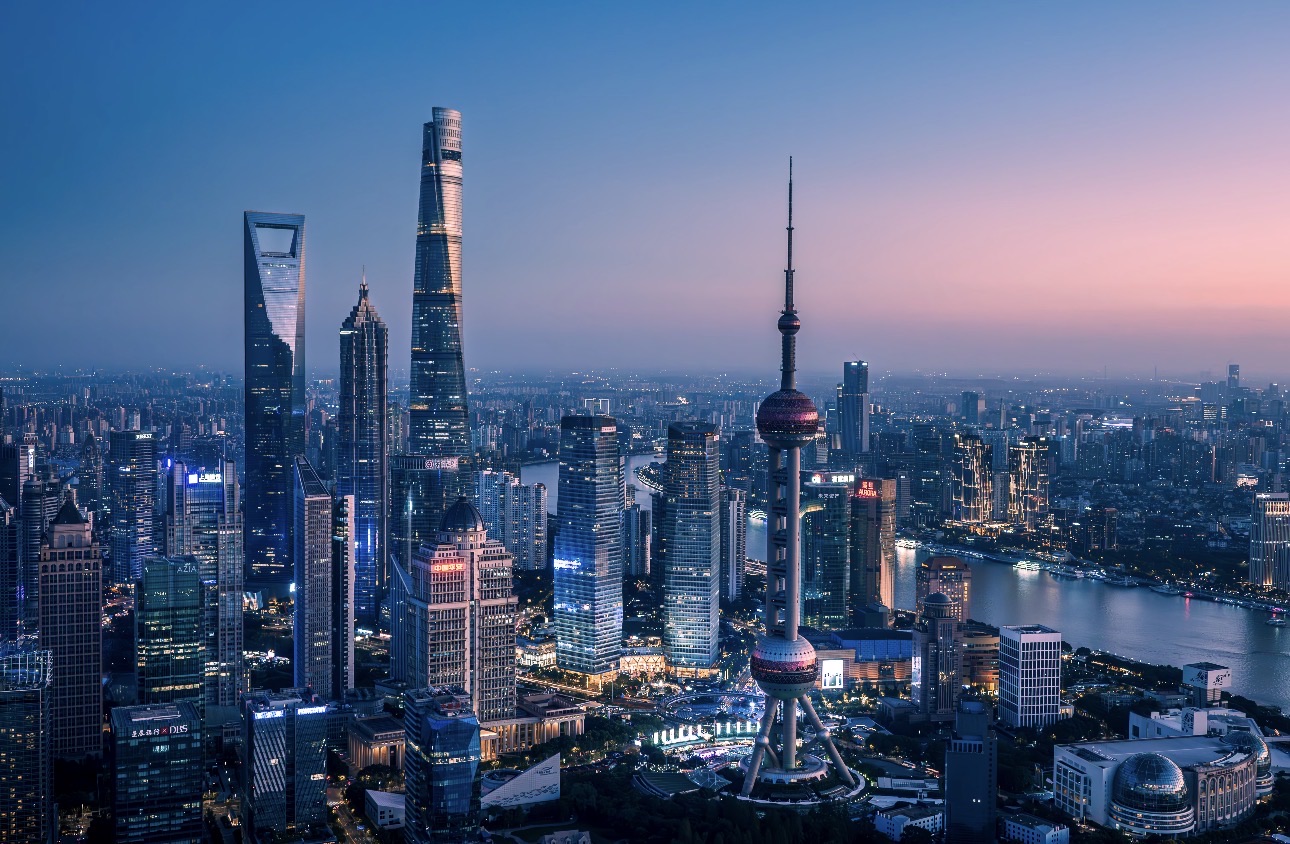
Lujiazui Financial District occupies the east bank of the Huangpu River in Pudong New Area, facing the historic Bund — with its parade of colonial-era architecture — across the water. It is China's first national-level financial development zone. In 1990, the State Council announced the opening and development of Pudong, and Lujiazui rose from farmland and mudflats to become a forest of skyscrapers — the "Manhattan of the East." The small-Lujiazui core area, covering roughly 1.7 square kilometres, concentrates three of the world's most iconic supertall towers: Shanghai Tower, the Shanghai World Financial Center, and Jinmao Tower, alongside the Oriental Pearl Radio and TV Tower, Lujiazui Central Green, and Shanghai Ocean Aquarium. This is one of the densest clusters of supertall buildings on earth and the nerve centre of China's financial system, home to the headquarters or regional offices of scores of banks, securities firms, and insurers. From the 468-metre Oriental Pearl to the 632-metre Shanghai Tower, from roughly 100,000 square metres of parkland to 2.5 kilometres of riverside walkway, Lujiazui weaves vertical ambition and open public space into a cityscape that announces Shanghai's standing as an international financial centre.
I. Lujiazui Central Green
Lujiazui Central Green sits at the heart of the Lujiazui Financial and Trade Zone. Covering about 100,000 square metres, it is the largest open-lawn park in central Shanghai. Opened in 1997, the park rolls gently across an undulating landscape of lawns and water features, with an artificial lake at its centre and an abstract sculpture group called "Hovering Oasis." Ringed on all sides by skyscrapers, it creates the remarkable sensation of towers growing from greenery and greenery growing from towers — earning it the nickname "the lungs of the financial city." Early mornings draw residents for tai chi; afternoons invite quiet walks and rest. It is the breathing space inside Shanghai's fastest-moving neighbourhood.
II. Oriental Pearl Radio and TV Tower
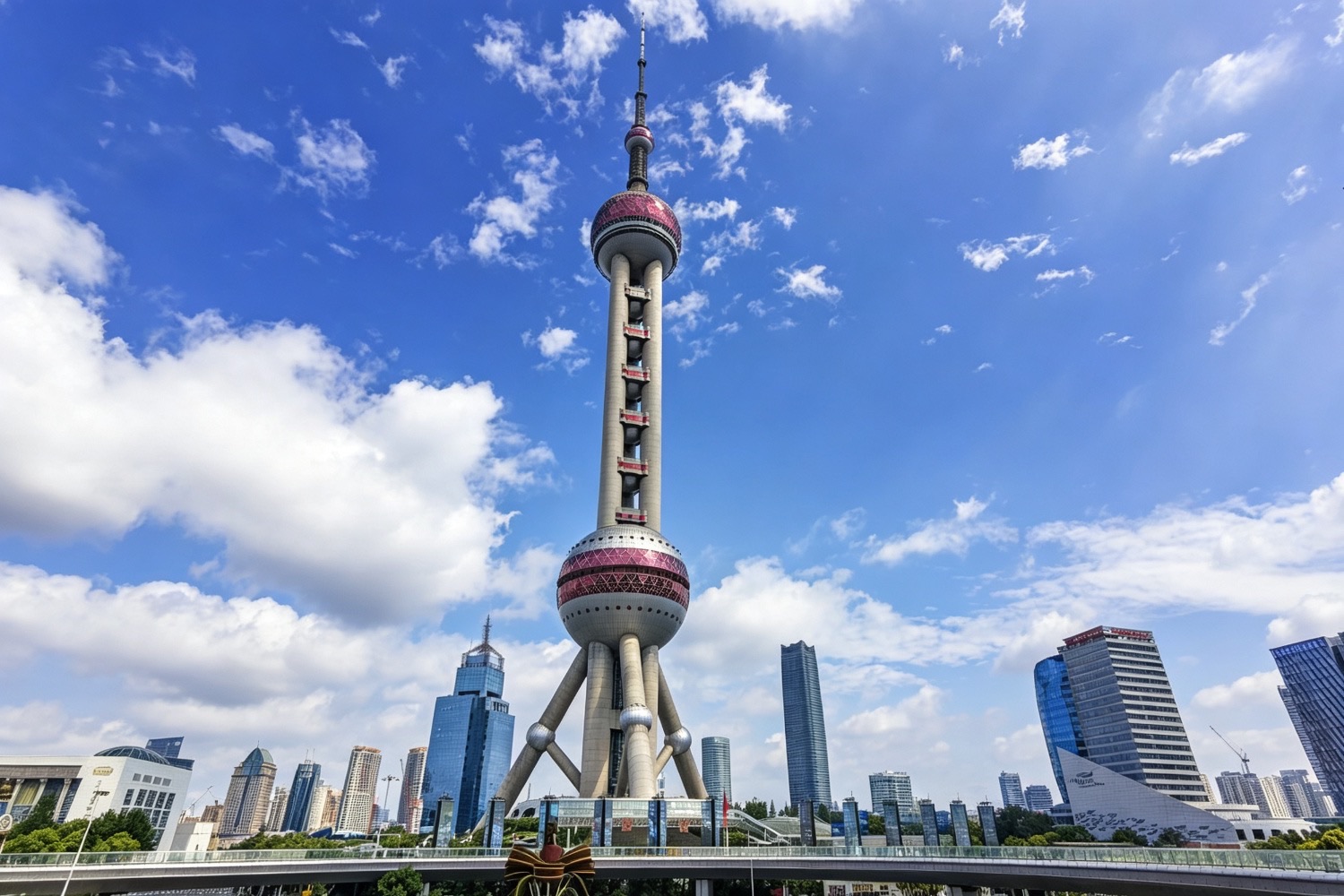
The Oriental Pearl Radio and TV Tower stands at the tip of the Lujiazui peninsula, right on the Huangpu River. At 468 metres, it was Asia's tallest structure when completed. The design — three soaring columns threaded through eleven spheres of varying sizes — evokes the Tang-dynasty poet Bai Juyi's line: "large pearls and small pearls tumbling onto a jade plate." The main observation deck sits at 263 metres; a fully transparent glass sightseeing corridor at 259 metres; and a revolving restaurant at 351 metres. At ground level, the Shanghai Urban History Development Museum uses miniature dioramas and life-size reconstructions to bring old Shanghai vividly back to life — an essential window into the city's modern transformation.
III. Shanghai Ocean Aquarium
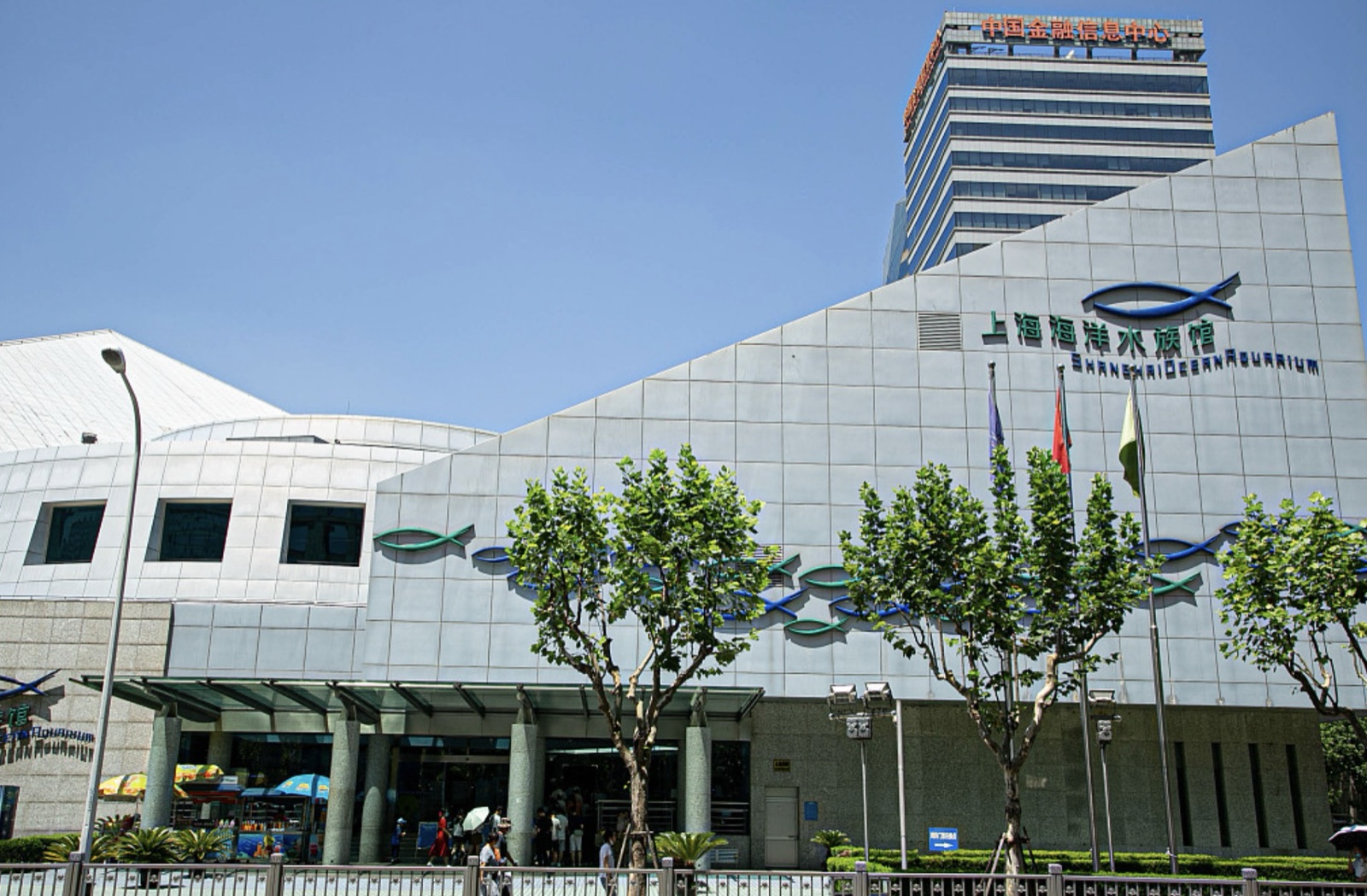
Shanghai Ocean Aquarium sits just steps from the Oriental Pearl Tower, with a floor area of roughly 20,000 square metres, more than 300 display tanks, and over 300 species totalling more than 10,000 fish and rare aquatic creatures. Nine themed zones cover China, South America, Australia, Africa, Southeast Asia, cold-water, polar, coastal, and deep-sea environments. The 155-metre underwater tunnel — one of the longest in Asia — immerses visitors in the sensation of walking along the ocean floor. The China Zone is a particular highlight, featuring Chinese sturgeon, Yangtze alligators, and other endangered native species. The aquarium ranks among the largest marine aquariums in Asia.
IV. Jinmao Tower
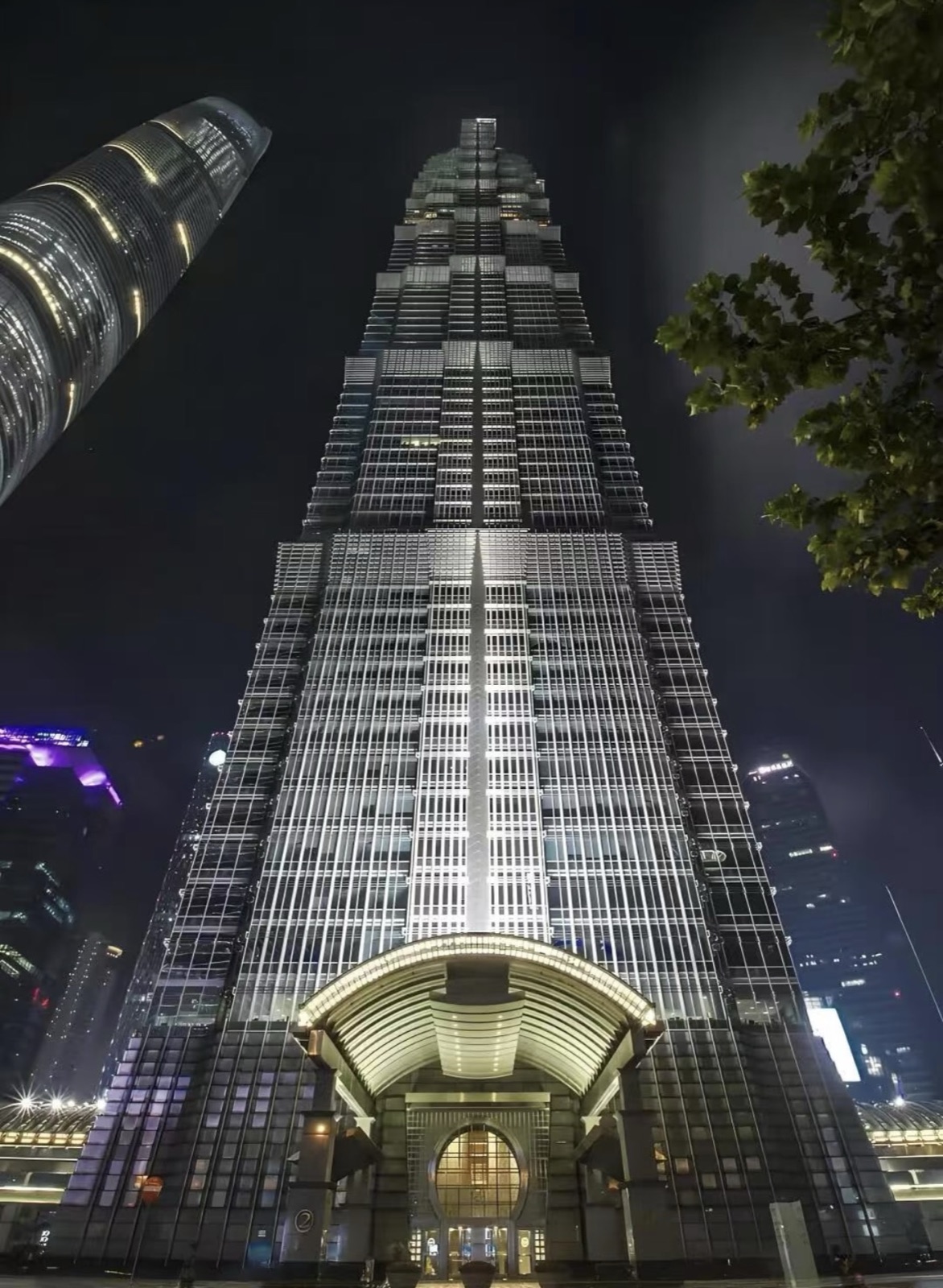
Jinmao Tower rises on the north side of Century Avenue in Lujiazui. At 420.5 metres and 88 floors, it was designed by American firm SOM. The exterior takes the tiered Chinese pagoda as its inspiration — thirteen sections step inward from base to crown, each proportion precisely calculated — fusing Eastern aesthetics with state-of-the-art structural engineering. The 88th-floor observatory sits at 340 metres above ground, offering a 360-degree panorama of both banks of the Huangpu. Floors 52 to 87 house the Grand Hyatt Shanghai, whose central atrium soars more than 30 floors uninterrupted — one of the tallest hotel atriums in the world.
V. Shanghai World Financial Center
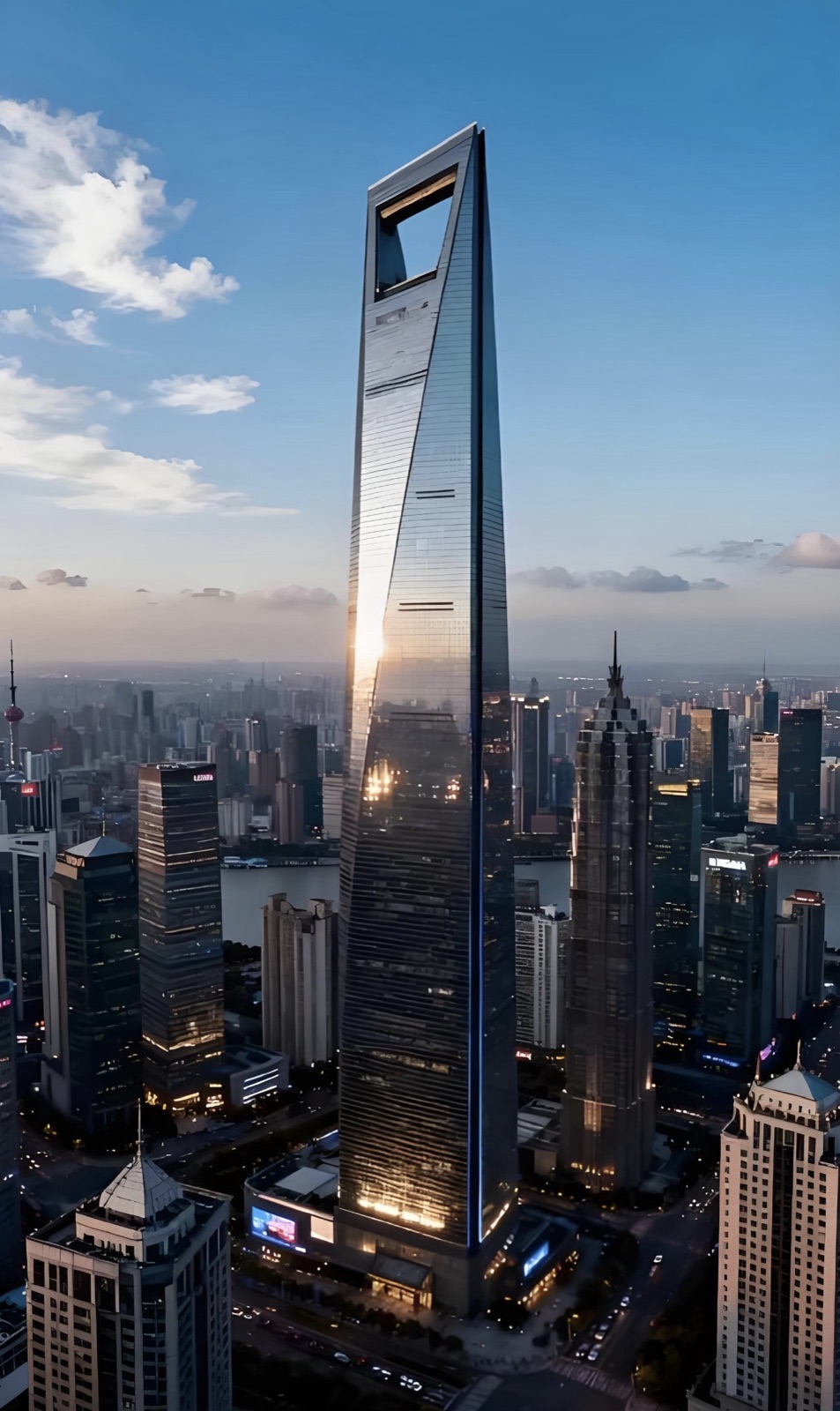
The Shanghai World Financial Center stands along Century Avenue at 492 metres and 101 floors, its roof pierced by a distinctive trapezoidal opening that Shanghainese have affectionately nicknamed the "bottle opener." The 100th-floor Sky Walk is a suspended glass bridge at 474 metres — the highest observation platform in the world when the building opened. The 94th floor hosts a 700-square-metre observation hall with 360-degree views of Shanghai's skyline. The tower combines offices, hotel, retail, and observation levels, and is an essential element of the Lujiazui skyline.
VI. Shanghai Tower
Shanghai Tower occupies Yincheng Middle Road in the heart of Lujiazui. At 632 metres and 128 floors, it is China's tallest building and the world's second tallest. The facade spirals 120 degrees from base to crown — a form evoking the image of a dragon ascending into the sky. The 118th-floor "Top of Shanghai" observatory reaches 546 metres above ground, making it one of the highest observation decks in the world. The tower uses a double-skin glass curtain wall and an eddy current tuned mass damper, and was China's first supertall green building.
VII. Wu Changshuo Memorial Hall
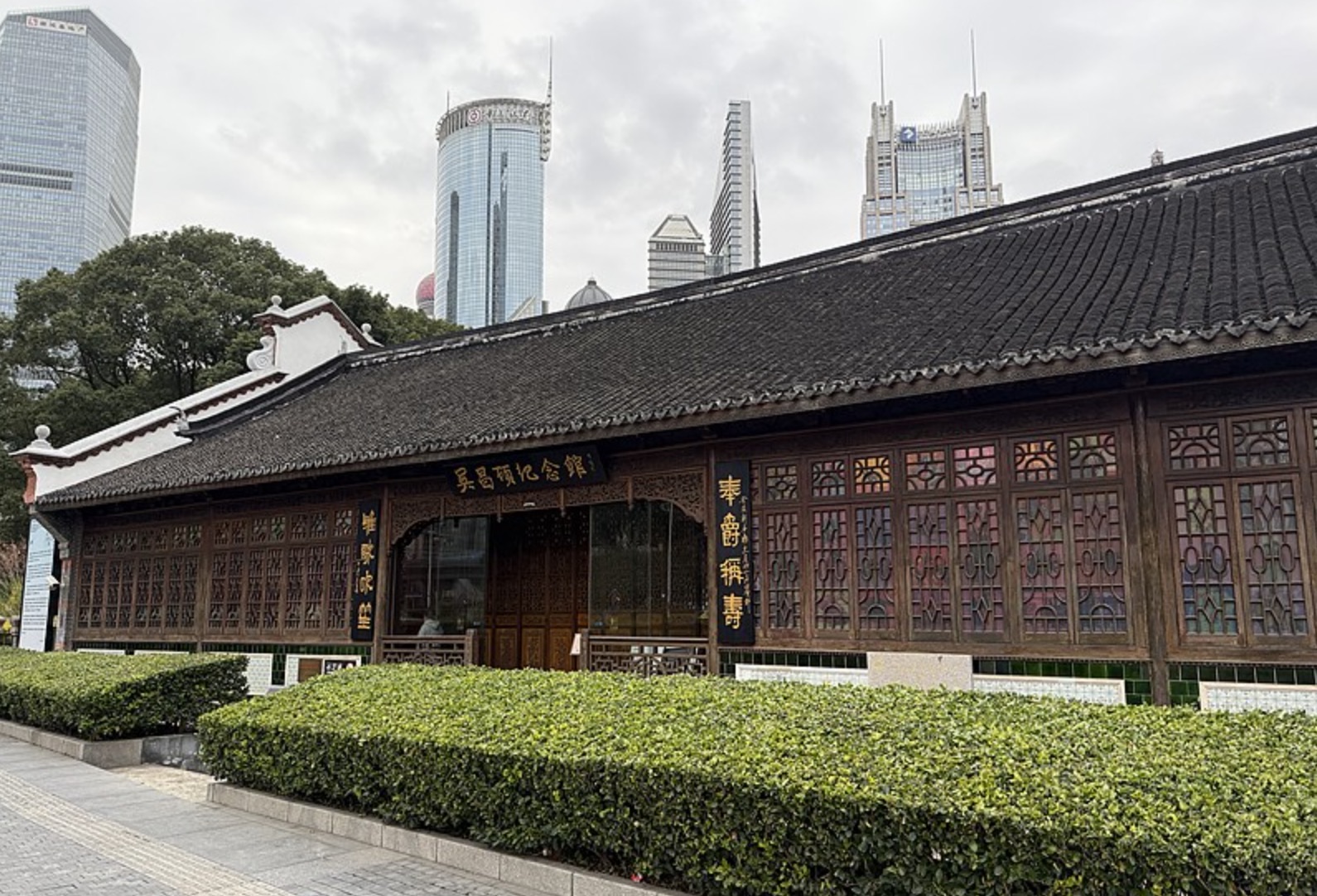
Wu Changshuo Memorial Hall stands at Number 15 Lujiazui East Road — a rare surviving example of century-old Jiangnan residential architecture tucked inside the financial district. The compound was originally the residence of Shanghai industrialist Chen Guichun, built in the late Qing and early Republican era. Oriented north-to-south, the three-courtyard layout features an elaborately carved brick gate tower. Wu Changshuo, the great Shanghai-school master of calligraphy, painting, and seal-carving, spent his later years here; the hall now displays his original works alongside related historical documents. In spring, wisteria cascades across a pergola in the courtyard, offering a moment of unhurried calm amid the surrounding towers.
VIII. Century Avenue
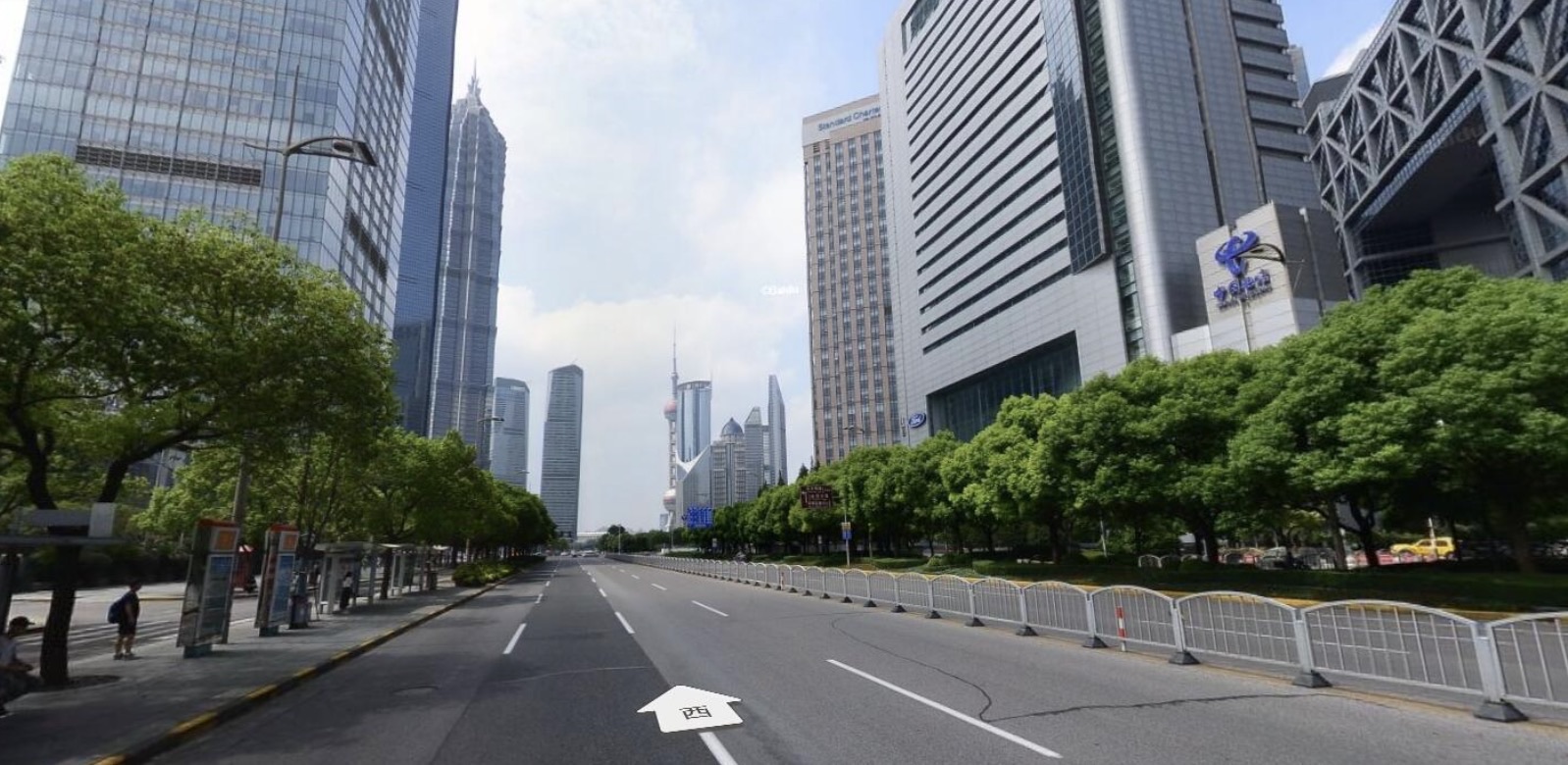
Century Avenue is the main east-west artery of Lujiazui, running from the Oriental Pearl Tower in the west to Century Park in the east — roughly five kilometres long and 100 metres wide. Often called the "Champs-Elysees of the East," it links the financial core, the administrative and cultural district, and Century Park, with a landscaped median strip and sculpture trail running its length. The western section is flanked by the three supertall landmarks and dense high-rise development on both sides, making it the defining axis for experiencing Lujiazui's urban scale and architectural ambition.
IX. Pudong Riverside Promenade
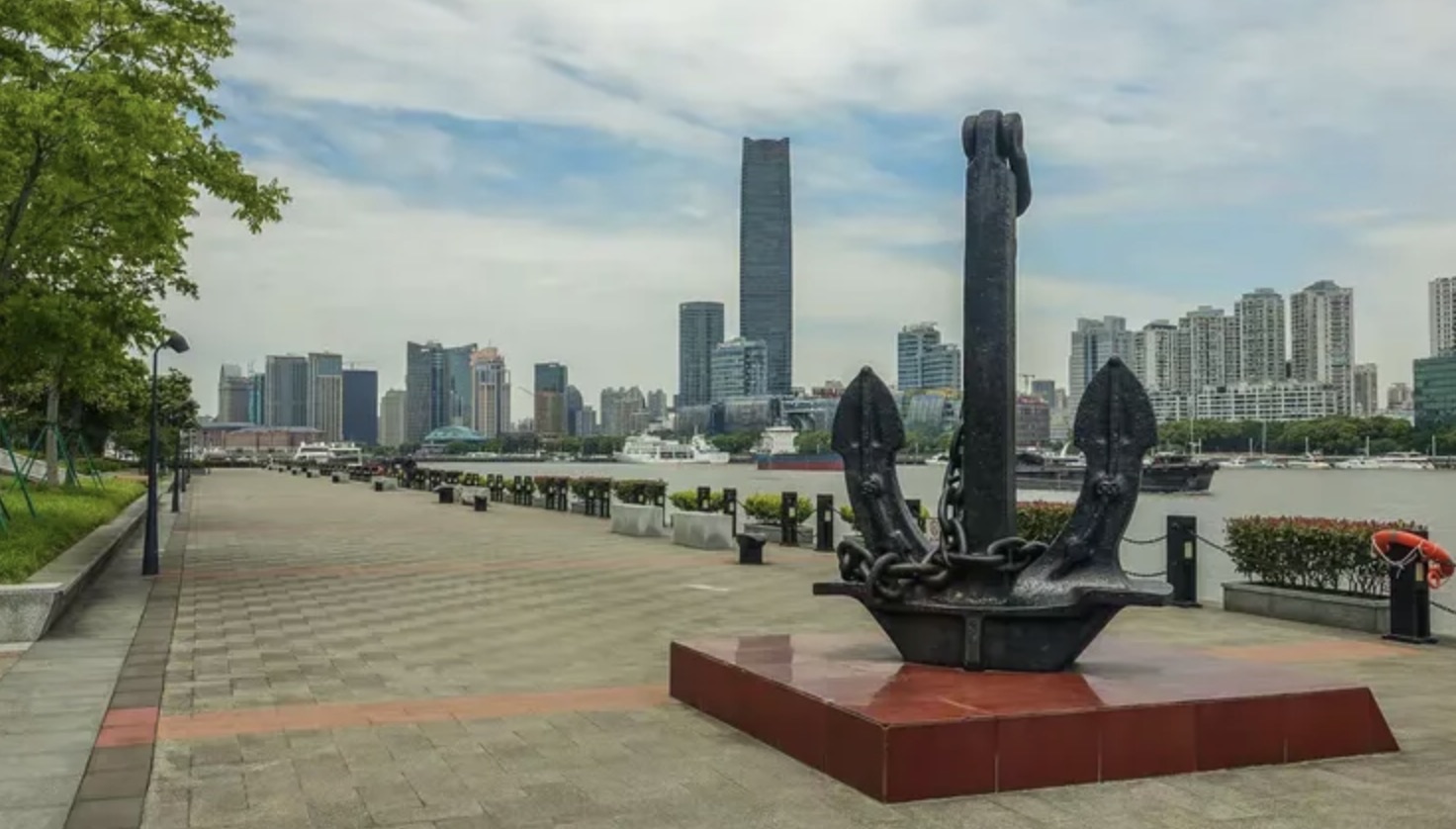
Pudong Riverside Promenade follows the east bank of the Huangpu River; the Lujiazui section stretches roughly 2.5 kilometres and offers the finest vantage point for the Bund's historic facades and the river's night panorama. The walkway was carved from old wharves and a former shipyard, and features observation platforms, waterside steps, and benches. At dusk, the Bund's lights come alive across the water while ferries thread the river between the two banks, allowing visitors to frame the Oriental Pearl Tower and the entire Bund in a single shot. The promenade also connects Shipyard 1862 arts space and Powerstation of Art — two industrial-heritage projects that bring a layer of contemporary culture to the riverside.
9 stops, in walking order — read top to bottom, no clicking needed.

 2
 3
 4
 5
 6
 7
 8
 9