Travel Guide› Hangzhou› Leifeng Pagoda (Leifeng Tower)
Hangzhou · Temple & shrine

Leifeng Pagoda (Leifeng Tower) 雷峰塔

Leifeng Pagoda (Leifeng Tower)
Address
No.15 Nanshan Road, Xihu District, Hangzhou, Zhejiang Province
Leifeng Pagoda

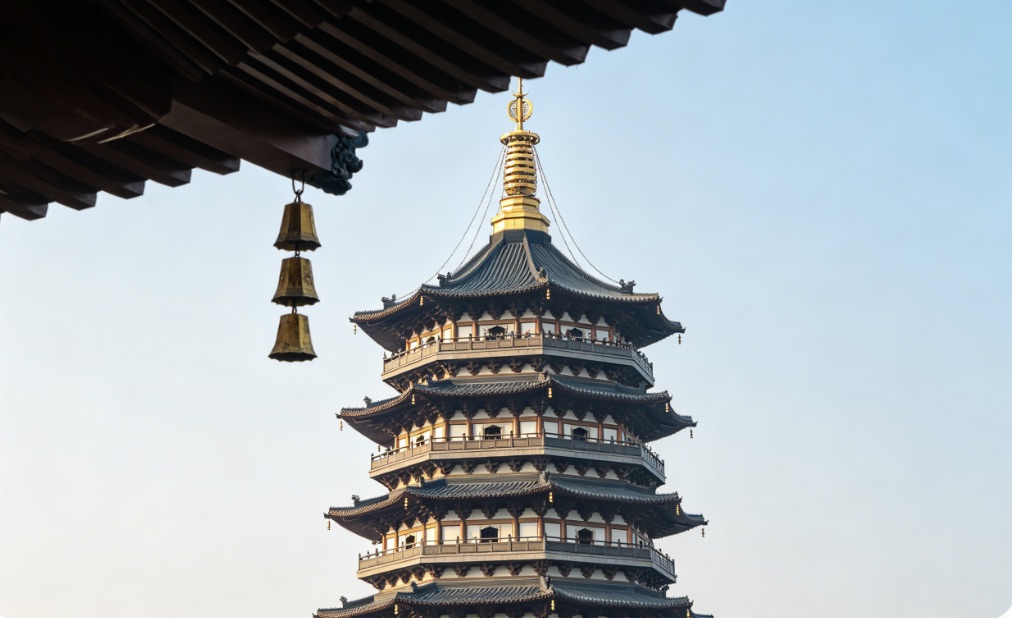
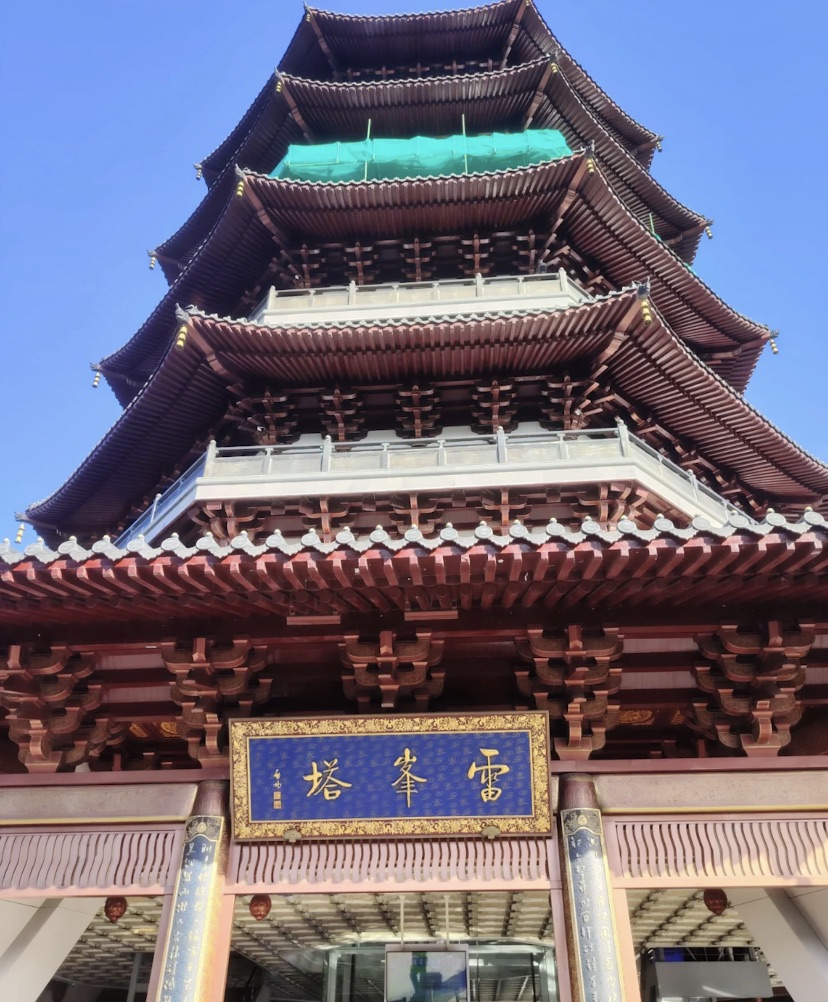
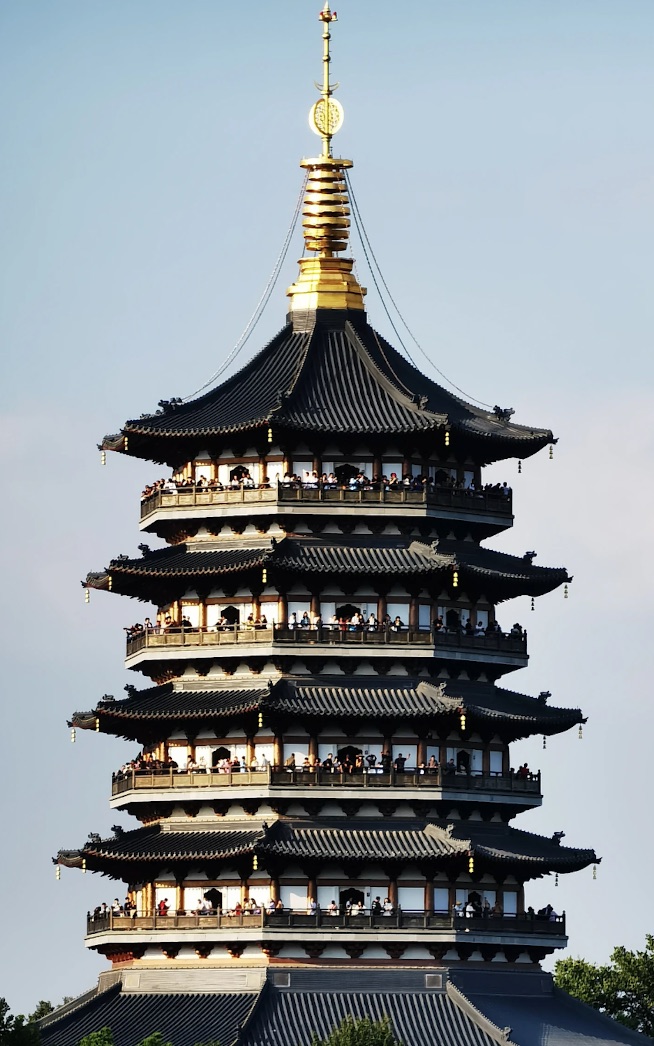
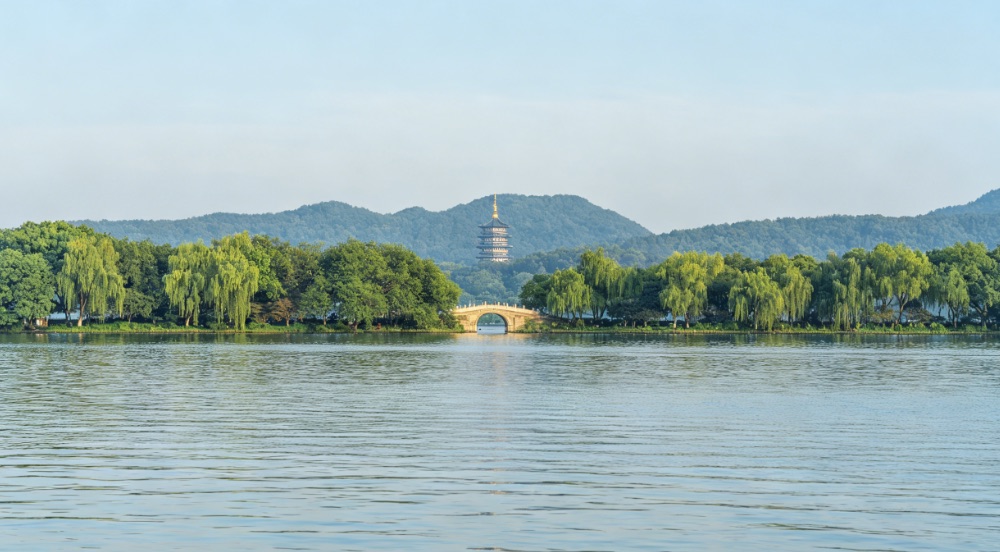
Leifeng Pagoda stands on Xizhao Hill on the southern shore of West Lake in Hangzhou, Zhejiang Province. It is the centerpiece of "Leifeng Pagoda at Sunset," one of the Ten Scenic Views of West Lake. The original pagoda was built in 977 AD during the Northern Song dynasty by Qian Chu, the last king of the Wuyue Kingdom, to enshrine a relic of the Buddha's hair. It fell into ruin over the centuries and finally collapsed in 1924. A new pagoda was completed on the same site in 2002: standing 71.679 meters tall, it follows a Southern Song architectural style, rises five stories, and is served by both elevator and stairs. It is China's first full-color copper-clad pagoda. Climb to the top and the entire West Lake panorama stretches before you.

Entrance of Leifeng Pagoda Scenic Area

The entrance to Leifeng Pagoda Scenic Area is on Nanshan Road, the gateway into the grounds. The entrance plaza houses a ticket office, visitor center, and orientation facilities, all set among lush greenery. At the center of the plaza, a large decorative screen wall and landscaped garden give visitors a place to rest and get a sense of the site before heading in.

Base Ruins of Leifeng Pagoda

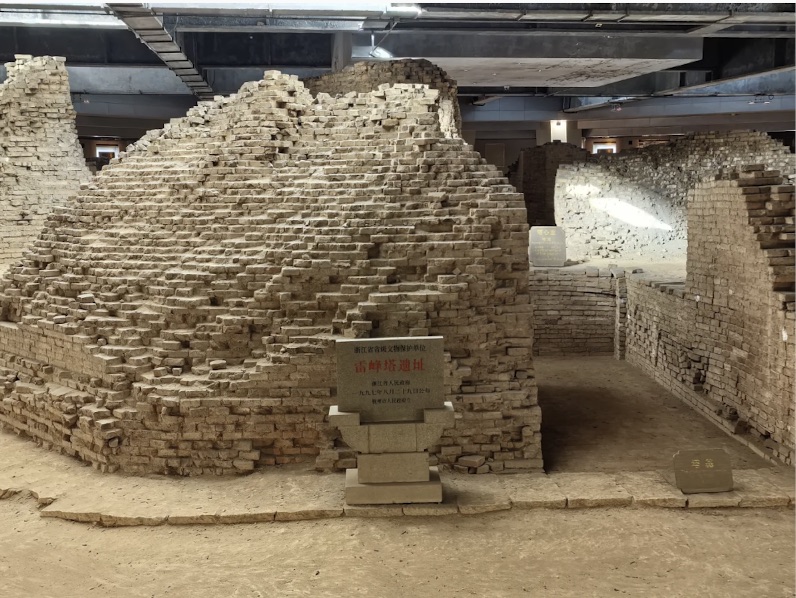
The base ruins of Leifeng Pagoda form the heart of the new pagoda's protective structure. Here, the surviving foundations and stonework from the collapse of 1924 are preserved in place. A glass dome covers the ruins from above, allowing visitors to look straight down at the thousand-year-old remains — a quietly powerful encounter between ancient history and modern conservation.

First Floor of New Leifeng Pagoda

The first floor of the new pagoda serves as its main hall. At the center stands a replica of the gilded Ashoka stupa unearthed from the pagoda's underground chamber. The hall's four walls are lined with large-scale Dongyang wood carvings depicting scenes from the Legend of the White Snake and the story of the Wuyue King building the pagoda. The craftsmanship is exquisite, the colors vivid — this is the best place to understand the cultural imagery woven into Leifeng Pagoda.

Floors 2 through 4 of New Leifeng Pagoda

Floors 2 through 4 are the main viewing levels. Each story features a cantilevered gallery with railings where visitors can walk the perimeter and take in the panorama. Upturned copper-tiled eaves curve dramatically skyward, and copper bells hang from the corners, chiming softly in the breeze. The interior walls on each floor carry murals and relief carvings tied to Buddhist traditions and Wuyue culture, making every level both a vantage point and a cultural experience.

Top Observation Deck of Leifeng Pagoda

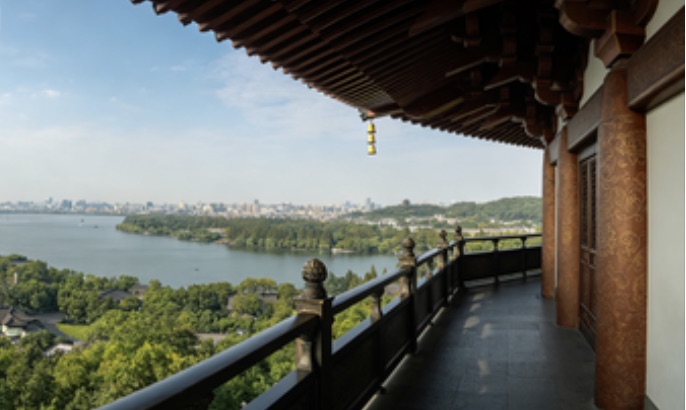
The top observation deck occupies the fifth and highest story — the best place in the scenic area to take in the full sweep of West Lake. Looking east, you see the Three Pools Mirroring the Moon and Xiaoying Island. To the north lie Baochu Pagoda, the Bai Causeway, and the Su Causeway. To the west, Nanping Hill and Jingci Temple complete the horizon. To the south, the city of Hangzhou spreads out in the distance. At sunset, the pagoda's shadow falls across the lake — the scene known as "Leifeng Pagoda at Sunset."

Leifeng Pagoda Cultural Exhibition Hall

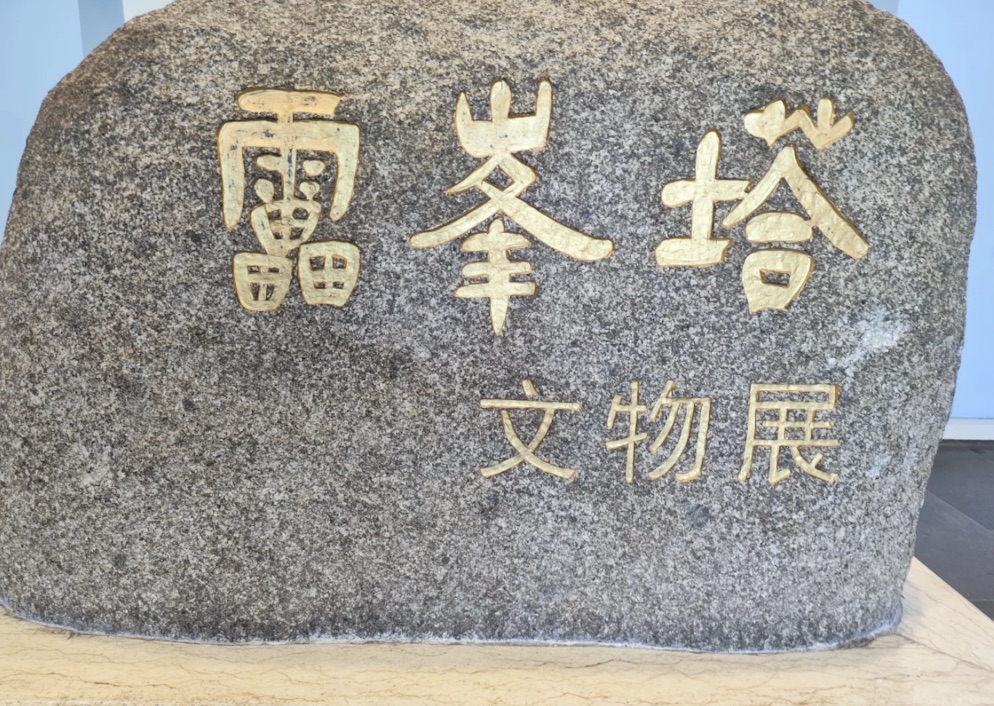
The Leifeng Pagoda Cultural Exhibition Hall traces the pagoda's full history: its founding, the relics excavated from its underground chamber, and the collapse and rebuilding that define its modern story. On display are replicas of treasures including a gilded silver Ashoka stupa and a jade Guanyin figure, alongside historical photographs and archival documents spanning every era. Together they offer visitors a complete picture of the pagoda's cultural significance.

Xizhao Pavilion and Fangsheng Pond

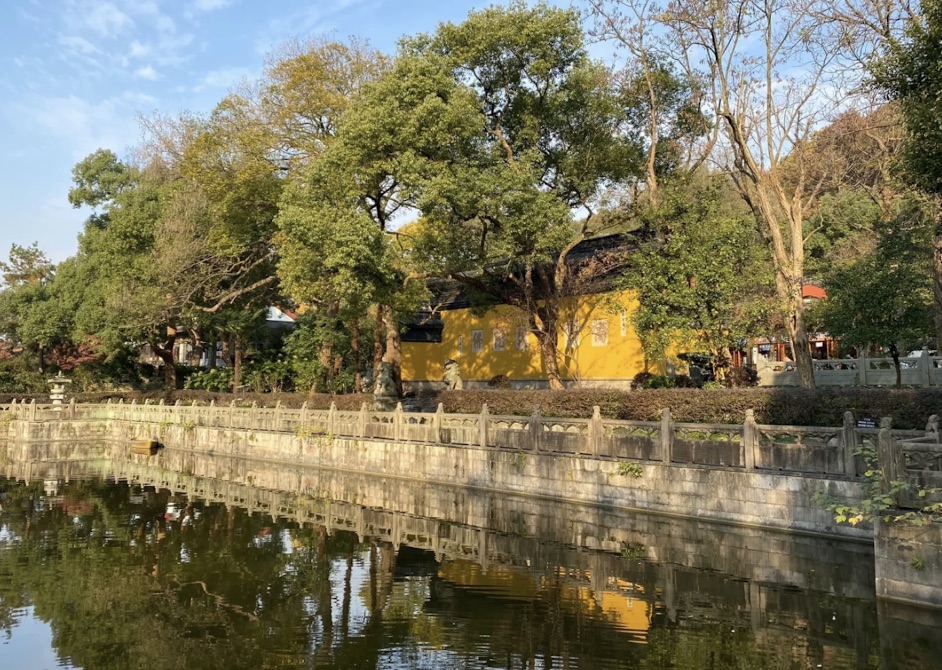
Xizhao Pavilion sits just east of the pagoda and is one of the classic spots for viewing "Leifeng Pagoda at Sunset." In front of the pavilion, a clear reflecting pond teems with fish. In the evening, the last light of the sun bathes the pagoda in gold, and its reflection shimmers on the water below — one of the most poetic scenes among all the Ten Scenic Views of West Lake.

Practical info Opening hours · Ticket · Getting there
Opening hours
  • Nov 1-Mar 15: 8:00-17:30; Mar 16-Apr 30: 8:00-19:00; May 1-Oct 31: 8:00-20:00. Ticket sales stop 30 minutes before closing.
Ticket
  • Adult: 40 RMB. Combo tickets: Pagoda + Yue Fei Temple 60 RMB; Pagoda + Lake Cruise 75 RMB. Half-price for seniors, children, and students.
Getting there
  • Bus Routes 4, 12, 31, 51, 52, 315 to Jingci Temple or Leifeng Pagoda Station. West Lake sightseeing bus also stops here. Metro Line 7 to Wushan Square Station, then transfer to bus or walk about 20 min.

Inside Leifeng Pagoda (Leifeng Tower)

7 stops, in walking order — read top to bottom, no clicking needed.

1 Leifeng Pagoda Scenic Area Entrance (Leifeng Ta Jingqu Rukou) of 7

Leifeng Pagoda Scenic Area Entrance (Leifeng Ta Jingqu Rukou)

雷峰塔景区入口
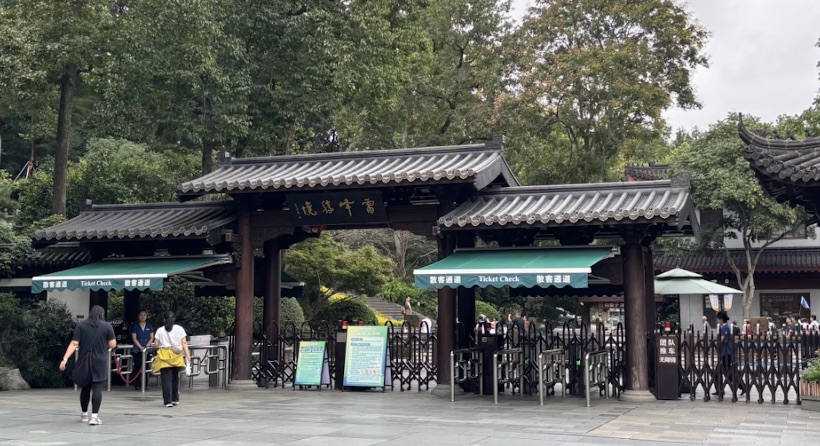
The Leifeng Pagoda Scenic Area Entrance is located on the west side of Nanshan Road in Xihu District, Hangzhou, at the foot of Xizhao Mountain on the south shore of West Lake. It is the formal starting point for entering the Leifeng Pagoda Scenic Area and visiting Leifeng Pagoda. The entrance is paved with neat bluestone slab steps, with a gate house featuring a five-bay, double-eave xieshan roof antique-style building, complete with black tiles, vermilion pillars, and upturned eaves. A horizontal plaque inscribed with the three large characters "Leifeng Pagoda" hangs at the entrance, presenting a dignified bearing. The entrance square is equipped with a scenic area introduction stone tablet, tour guide map, and electronic ticket office, where visitors can purchase tickets (approx. 40 RMB/person), collect guide brochures, and plan their visit route. From the entrance to the foot of Leifeng Pagoda, it takes about 5-8 minutes of walking.

On-site narration · read it where you stand

Welcome, everyone, to Leifeng Pagoda Scenic Area. Our tour begins right here.

The scenic area is located at 15 Nanshan Road in Hangzhou's Xihu District, at the foot of Xizhao Hill on the southern shore of West Lake. Take a look at the entrance plaza — it's open and spacious, with a large decorative screen wall at the center and landscaped greenery all around. This is where you'll buy your tickets, and it's also your first introduction to what Leifeng Pagoda is all about.

Before we head in, let me give you a quick overview. Leifeng Pagoda was first built during the Northern Song dynasty, over a thousand years ago. The original tower collapsed in 1924, and what you see today is the rebuilt pagoda completed in 2002. The new tower stands just over 71 meters tall with five floors, and it is China's first full-color copper-clad pagoda. Climb to the top and you'll have the entire West Lake spread out beneath you.

Admission is 40 yuan per person. Students and visitors aged 60 to 69 receive a half-price discount, and those aged 70 and above enter free. The pagoda is open from 8 am to 8:30 pm, with extended hours in summer. I'd recommend coming in the late afternoon — you'll have a chance to catch "Leifeng Pagoda at Sunset," though that's also when it's most crowded.

Please keep your belongings close and stay with the group. We'll make our first stop at the base ruins of Leifeng Pagoda.
Leifeng Pagoda Ruins Base (Leifeng Ta Yizhi Diceng)

雷峰塔遗址底层

The Leifeng Pagoda Ruins Base is located at the bottom of the new Leifeng Pagoda and is the core space for the protective exhibition of the original pagoda ruins from the Five Dynasties period of the Wuyue Kingdom. The original Leifeng Pagoda was constructed under the supervision of King Qian Chu of Wuyue in 975 CE (eighth year of the Kaibao reign of Northern Song). On September 25, 1924, the millennial ancient pagoda collapsed with a loud crash due to excessive brick theft by the public, and the thousand-year-old pagoda was destroyed in an instant. In 2002, the new pagoda was reconstructed on the original site according to the concept of "pagoda covering ruins." The bottom of the new pagoda is completely elevated, and the original pagoda ruins are intactly preserved beneath the tempered glass flooring of the base level. Visitors can follow the circular walkway to view the complete appearance of the ruins from 360 degrees——the remaining brick pagoda body, pagoda foundation, auxiliary hall pillar bases, plinths, and underground palace excavation pit are all clearly visible.

On-site narration · read it where you stand

Everyone, we've arrived at the base ruins of Leifeng Pagoda — the most unique and significant part of the entire building.

Look down through the glass floor beneath your feet. You can see the surviving foundations of the ancient pagoda: the real stones and brickwork left behind after the collapse of 1924. These remnants are over a thousand years old. When the new pagoda was built, the decision was made to leave the old foundations completely undisturbed. A massive steel frame lifts the new structure above the ruins, presenting the ancient remains intact for visitors to see.

Take a walk around the perimeter and observe the outline of the original foundations from different angles. The information panels nearby explain the pagoda's construction, destruction, and the archaeological excavation in detail. One highlight worth mentioning: in 2001, archaeologists excavated the pagoda's underground chamber and uncovered a remarkable collection of artifacts, including a gilded silver Ashoka stupa and a jade Guanyin figure. Most of these treasures are now held at the Zhejiang Provincial Museum and the China Academy of Art.

The light here is soft and diffused — take your time and let the weight of a thousand years settle in. Photography tip: the glass floor can create reflections. Try shooting at a slight angle to see the ruins beneath more clearly.

Next, we'll take the elevator or stairs up to the first floor of the new pagoda.

New Leifeng Pagoda First Floor (Xin Leifeng Ta Diyiceng)

新雷峰塔一层

The first floor of the new Leifeng Pagoda is located above the ruins base level and serves as the base-level cultural exhibition space of the new pagoda. It is also the first floor that visitors see after entering the new pagoda. In the center of the first floor is a large Dongyang wood carving screen titled "Scene of Wuyue Building the Pagoda," about 4 meters high and 8 meters wide. In relief form, it completely recreates the grand scene of King Qian Chu supervising the construction of Leifeng Pagoda during the Five Dynasties Wuyue Kingdom period——from felling trees and quarrying stones, transporting materials, craftsmen's construction, to the final completion. The four walls are hung with large meticulous-color frescoes titled "Legends of Leifeng Pagoda," divided into four panels: "King Qian Building the Pagoda," "Legend of White Snake," "Leifeng in Sunset Glow," and "Ancient Pagoda Reilluminated," with brilliant colors and exquisite brushwork. The first floor ground is paved with antique-style gold bricks, and the ceiling caisson is painted with celadon porcelain patterns from the Wuyue Kingdom.

On-site narration · read it where you stand

We've arrived at the first floor of the new Leifeng Pagoda — the main hall of the tower and the best place to begin understanding its Buddhist heritage and legendary history.

Take a look at the Ashoka stupa enshrined at the center of the hall. This is a replica of a gilded silver stupa unearthed from the pagoda's underground chamber. The original is encased in gold and silver, with scenes from the Buddha's previous lives carved across all four faces — a masterwork of craftsmanship. The Ashoka stupa is a traditional Buddhist reliquary. According to tradition, the Indian emperor Ashoka once distributed the Buddha's relics among 84,000 stupas across the world, and vessels of this type bear his name.

The four walls of the hall are lined with large Dongyang wood carvings drawn from the Legend of the White Snake — the story of Lady White and Xu Xian. In the legend, Lady White is imprisoned beneath Leifeng Pagoda by the monk Fahai. The pagoda finally collapses only after Xu Xian's son passes the imperial examinations, and Lady White is set free. Though the legend is not historical fact, it has made Leifeng Pagoda one of the most romantically charged symbols in Chinese folk literature.

Alongside the White Snake story, the carvings also depict scenes of Qian Chu, the last king of the Wuyue Kingdom, ordering the pagoda's construction. Qian Chu was a devoted Buddhist who built many pagodas and temples across the Hangzhou region during the Five Dynasties period; Leifeng Pagoda was the most important of them all.

Photography tip: The hall is fairly dim. Switch off your flash and use a higher ISO setting for better results. The Ashoka stupa and the wood carvings both make excellent subjects.

New Leifeng Pagoda Floors 2-4 (Xin Leifeng Ta Erzhi Siseng)

新雷峰塔二至四层

Floors 2-4 of the new Leifeng Pagoda are located above the first floor and below the top-level viewing terrace, with each floor covering an area of about 600 square meters. They constitute the main body of the new pagoda's cultural exhibition system and are also the core spaces for visitors to stop, appreciate, and rest during the ascent. The second floor's theme is "Wuyue Buddhist Culture," displaying the prosperous scene of Buddhism in the Hangzhou region during the Wuyue Kingdom period and the Qian family's reverence for Buddhism. The third floor's theme is "Leifeng Pagoda and West Lake," displaying the interdependent relationship between Leifeng Pagoda and the West Lake scenic area throughout history through texts, images, old photographs, and multimedia. The fourth floor's theme is "Qian Chu and Ancient Chinese Pagodas," systematically sorting out the architectural types of ancient Chinese pagodas and the architectural characteristics of the five precious pagodas whose construction was supervised by Qian Chu. Each floor is equipped with a circular viewing corridor.

On-site narration · read it where you stand

We're now on floors 2 through 4 of the new Leifeng Pagoda — a great stretch of the climb for taking in the views. Each floor has a cantilevered gallery with railings where you can walk the full perimeter and look out over West Lake.

The pagoda is built in the architectural style of the Southern Song dynasty: sweeping upturned eaves, copper-tiled roofs, and copper bells hanging from each corner. When a breeze picks up, the bells ring out with a clear, bright tone that feels wonderfully ancient. Look closely at the copper carvings on the exterior — lotus flowers, clouds, and mythical creatures, all Buddhist and auspicious motifs, every one of them carved by hand.

As you rise from the second floor to the fourth, the view opens up steadily. On the second floor, you're close enough to make out the plane trees lining Nanshan Road and the gardens below. By the third and fourth floors, the full surface of West Lake comes into view — the Three Pools Mirroring the Moon, Xiaoying Island, and the sweeping lines of the Su Causeway and the Bai Causeway in the distance.

Each floor's interior walls carry murals and relief carvings tied to Buddhist culture and the history of the Wuyue Kingdom. While you're here for the views, take a moment to notice the decorative details — they tell the story of this pagoda across a thousand years.

Photography tip: These floors are ideal for mid-range shots of West Lake. A telephoto lens can compress the pagoda's curved eaves and the lake beyond into a single striking frame. For portraits, have your companion stand on the gallery with the lake as the backdrop — the results are lovely.

Leifeng Pagoda Top-Level Viewing Terrace (Leifeng Ta Dingceng Guanjing Tai)

雷峰塔顶层观景台

The Leifeng Pagoda Top-Level Viewing Terrace is located at the highest point of the new pagoda (approximately at the fifth floor level, with a total height of about 70 meters). It is the viewing high point with the most open view in the Hangzhou West Lake scenic area and also the best viewing point for "Leifeng in Sunset Glow," one of the "Ten Scenes of West Lake." The viewing terrace features a fully open design with glass protective railings on all sides, allowing visitors a 360-degree unobstructed overlook of the complete view of West Lake. In the near view are the sparkling lake surface and the lush Gushan (Solitary Hill). To the east, one can clearly see Willow Wave Listening to Orioles, Duanqiao Canxue (Broken Bridge with Remnant Snow), and the urban skyline. To the south, one can see Flying Clouds over Jade Emperor Mountain and the layered greenery of Jiuyao Mountain. To the west lies the front view of Su Causeway in Spring Dawn, Flower Harbor Viewing Fish, and Three Pools Mirroring the Moon. To the north, one can even overlook Baochu Pagoda standing gracefully atop Precious Stone Hill——the two pagodas echoing each other from afar constitute the most core landscape pattern of West Lake. The viewing terrace is also equipped with electronic guide screens.

On-site narration · read it where you stand

We've reached the top observation deck — the fifth and highest floor of Leifeng Pagoda. This is the best vantage point in the entire scenic area for taking in the full panorama of West Lake.

Step up to the railing and look out in every direction. To the north, West Lake glitters before you, dotted with islands including the Three Pools Mirroring the Moon and Xiaoying Island; beyond them, the Bai Causeway, the Su Causeway, and the Broken Bridge stretch across the water. To the northeast, Baochu Pagoda stands slender and elegant in the distance, answering Leifeng across the lake — the two towers inspired a classic saying: "Baochu is like a beauty; Leifeng is like an old monk." To the west, Nanping Hill and Jingci Temple fill the horizon, home to the famous "Evening Bell of Nanping." To the south, the Hangzhou cityscape unfolds — modern high-rises set against an ancient tower silhouette.

On a clear day with good visibility, you can see the mountains that ring the lake even farther out. West Lake is flanked by hills on three sides and open to the city on the fourth — this arrangement of "three sides of hills, one face of the city" is one of the key reasons it was inscribed as a UNESCO World Heritage Site.

The observation deck is not large, and it can get crowded. Please stay safe: don't set your belongings on the railing, as the wind up here is strong and phones, hats, and other items can easily be swept away.

Photography tip: This is the ideal level for sweeping panoramic shots of West Lake. Use a wide-angle lens or your phone's panorama mode to capture all four directions. At sunset, the light turns the pagoda and the lake surface to gold — the most beautiful time to shoot.

Leifeng Pagoda Cultural Exhibition Hall (Leifeng Ta Wenhua Chenlieguan)

雷峰塔文化陈列馆

The Leifeng Pagoda Cultural Exhibition Hall is located inside the Leifeng Pagoda scenic area entrance, adjacent to the mountain climbing walkway. It is an independent antique-style exhibition hall that officially opened to the public in 2004, synchronizing with the completion of the new Leifeng Pagoda reconstruction. The exhibition hall has a floor area of about 800 square meters, with the theme "Leifeng Pagoda and the Wuyue Kingdom," featuring four major exhibition sections that systematically showcase the long history of Leifeng Pagoda from its original construction in the Five Dynasties Wuyue Kingdom period to the present, spanning 1,025 years. The hall displays over 500 precious unearthed artifacts, including the Ashoka Tower (pure silver gilt, unearthed from the underground palace), gilt dragon lotus base, agate ornaments, stone carved sutra pillars, and brick Buddha statues, many of which are classified as national first-grade cultural relics. The exhibition hall also employs multimedia technology with surround projection to reappear the historical scene of Leifeng Pagoda's collapse in 1924.

On-site narration · read it where you stand

We've arrived at the Leifeng Pagoda Cultural Exhibition Hall, which traces the pagoda's full history — from its founding and the relics found in its underground chamber to the collapse and rebuilding that define its modern story.

The most remarkable exhibits here are the replicas and photographs of the artifacts unearthed from the underground chamber in 2001. That excavation produced an extraordinary collection: a gilded silver Ashoka stupa, a gilded bronze figure of Shakyamuni teaching the dharma, a jade Guanyin, a jade attendant figure, and many more treasures. The gilded silver Ashoka stupa is the most prized of them all — it held within it the Buddha's hair relic, the very reason Qian Chu built the pagoda in the first place.

The hall also holds a wealth of photographs and documents recording the pagoda's journey from its Northern Song origins through the fire that ravaged it during the Ming dynasty, its collapse in the Republican era, and its modern reconstruction. You can trace the tower through every period: the glittering splendor of its Southern Song heyday, the bare brick shell that survived into the Qing dynasty, the tilting and crumbling structure of the late Qing and early Republican years, and the news photographs that captured the moment it fell in 1924.

Looking at these exhibits together, you begin to understand that Leifeng Pagoda is far more than a Buddhist tower. It is a vessel of Hangzhou's urban memory and a touchstone of Chinese culture — carrying within it the Legend of the White Snake, the essays of the writer Lu Xun, and the poetry of a dozen dynasties.

Photography tip: The exhibits and display panels make good subjects for documentation shots. Please switch off your flash to avoid damaging the reproductions and panels.

Xizhao Pavilion and Release Pond (Xizhao Ting yu Fangsheng Chi)

夕照亭与放生池

Xizhao Pavilion and Release Pond are located on the southeast side of the Leifeng Pagoda scenic area, constituting the core attraction for viewing "Leifeng in the Sunset Glow"—one of the Ten Scenes of West Lake. Xizhao Pavilion is a six-cornered pyramidal-roof classical pavilion, named after "Leifeng in the Sunset Glow" from the Ten Scenes of West Lake. The pavilion is equipped with stone tables and benches, making it the best spot for visitors to wait for sunset and photograph Leifeng Pagoda from a classic angle. The Release Pond is located in front of Xizhao Pavilion, with water drawn from West Lake. Lotus flowers are planted throughout the pond, and in summer the fragrance of lotus fills the air. A nine-arch stone bridge and a small Guanyin statue are set in the center of the pond. Visitors can purchase fish and turtles here for release activities, reflecting the Buddhist spirit of compassion. At dusk, when the setting sun descends and rosy clouds illuminate Leifeng Pagoda, the pagoda body presents a brilliant golden-red glow.

On-site narration · read it where you stand

And now we've reached the final stop of today's tour of Leifeng Pagoda — Xizhao Pavilion and the Fangsheng Pond.

Xizhao Pavilion sits just to the east of the pagoda and is one of the finest vantage points for "Leifeng Pagoda at Sunset," one of the Ten Scenic Views of West Lake. The pavilion is simple and graceful, framed by trees on all sides. In front of it, a clear pond shimmers with fish, and the pagoda's reflection drifts across the surface.

The name "Leifeng Pagoda at Sunset" comes from a scene that unfolds every evening. As the sun descends in the west, its golden light falls directly on the pagoda's flanks. The copper tiles and the tower itself blaze in the slanting rays, while the pagoda's reflection stretches across the lake, merging with the afterglow and the water — a scene of rare beauty.

Over the centuries, many poets and scholars have written about this view. The Song dynasty poet Lin Bu wrote of "the evening glow visible from the village ahead." When the Kangxi Emperor made his tours of the south during the Qing dynasty, he renamed the scene from "Leifeng in the Western Light" to "Leifeng Pagoda at Sunset" and had a stone stele inscribed. This pagoda and this view have held a place in the Chinese literary imagination for more than a thousand years.

The Fangsheng Pond is a common feature of Buddhist sites. "Fangsheng" means releasing living creatures — an act of compassion and the accumulation of merit. Visitors often gather by the pond, but please refrain from feeding the fish, as doing so can harm the water quality and the health of the fish.

Photography tip: Xizhao Pavilion and the Fangsheng Pond are the best spots for photographs of the pagoda's reflection and the sunset light. Arrive about half an hour before sundown to secure a good spot by the water's edge. A telephoto lens will compress the tower and its reflection into a tight, atmospheric composition. If you have time, stay until after dark — the pagoda lit up against the night sky is equally beautiful.

That brings us to the end of today's tour of Leifeng Pagoda. From the ancient ruins at ground level to the observation deck at the top, from Buddhist relics to the legend of the White Snake, we've traveled together through a thousand years of history and culture. I hope you'll catch that perfect moment of "Leifeng Pagoda at Sunset" here at Xizhao Pavilion. Thank you all, and enjoy the rest of your journey!

Prefer to be shown around?

A local guide walks these 7 stops with you and answers what the page cannot.

Browse tours ↗