Grand Canal Gongchen Bridge
The Beijing-Hangzhou Grand Canal is the longest artificial waterway in the world. First excavated during the Spring and Autumn Period, it runs nearly 1,800 kilometres from north to south and was inscribed on the UNESCO World Heritage List in 2014. The Hangzhou section marks the southern terminus of the canal, and the Gongchen Bridge area is the city's main showcase of Grand Canal culture. With its ancient bridge arching over the water, waterside lanes, and cluster of museums, the district preserves the memory of the grain-transport era while retaining the everyday vitality of a Jiangnan river town, offering an essential window into China's canal civilization and waterside life.
Gongchen Bridge
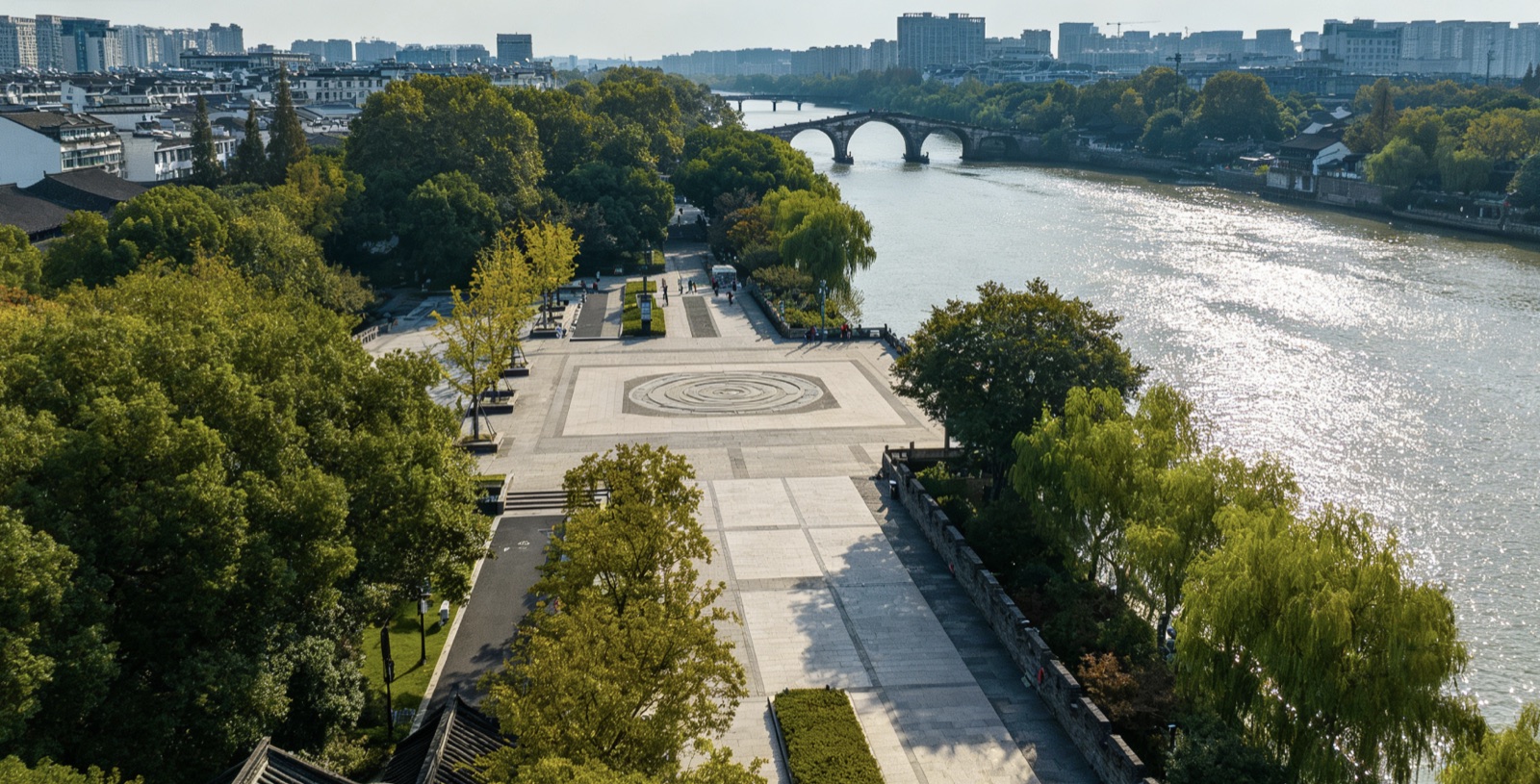
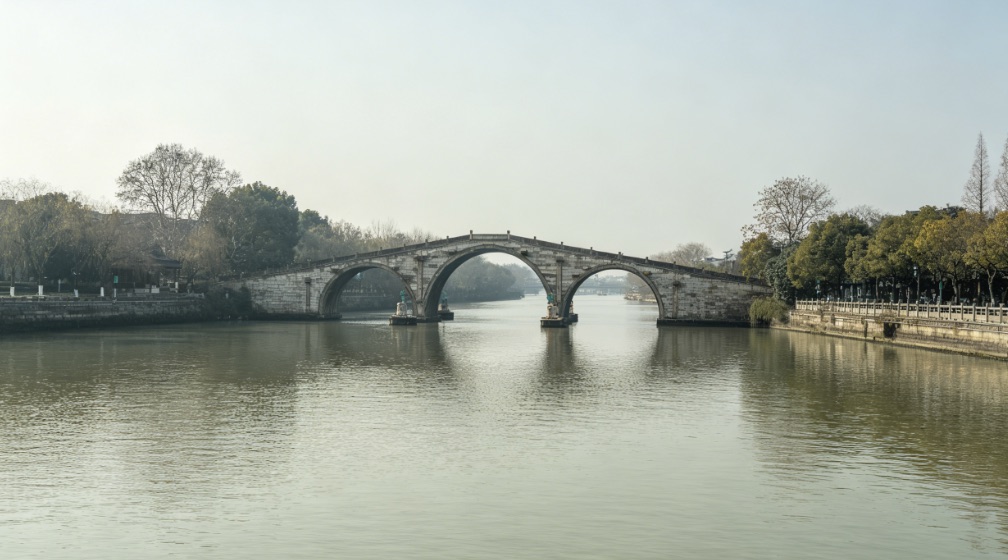
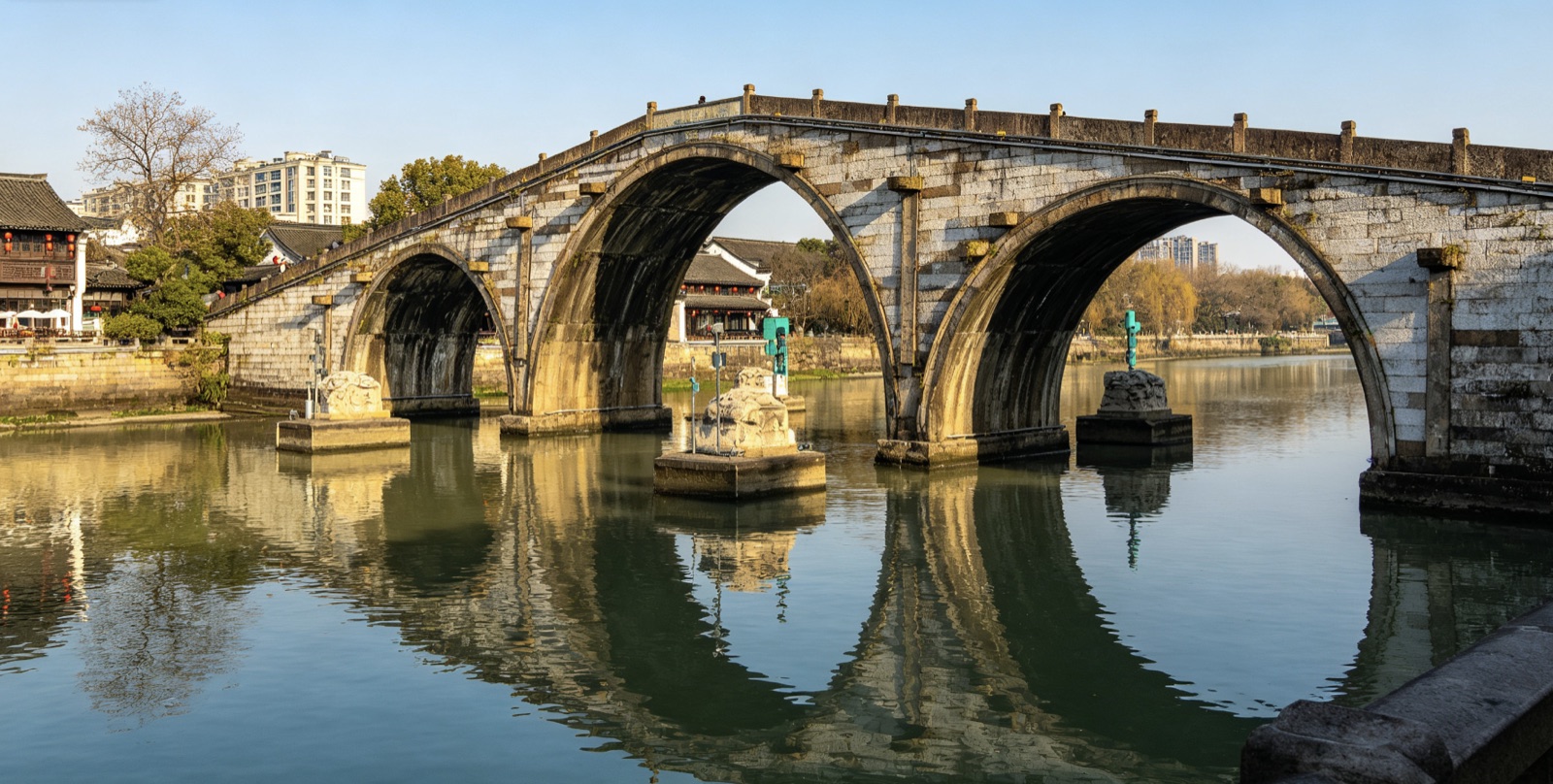
Gongchen Bridge was first built in 1631 during the Ming dynasty. Spanning the Beijing-Hangzhou Grand Canal, it is the tallest and longest surviving three-arch stone bridge in Hangzhou, measuring 98 metres in length and 16 metres in height. The bridge is built of dressed stone with parapets and posts on both sides; the central groove once used by tow ropes can still be seen, recalling the busy scene of grain barges being hauled along the canal. The name "Gongchen" comes from the Analects of Confucius: "He who exercises government by means of his virtue may be compared to the north polar star, which keeps its place and all the stars turn towards it." It symbolises the gathering of all directions under a peaceful and prosperous state. Emperors Kangxi and Qianlong of the Qing dynasty entered the city across this bridge during their southern tours, making Gongchen Bridge the "imperial wharf" where imperial authority was received.
Grand Canal Plaza
Grand Canal Plaza lies at the southern end of Gongchen Bridge and serves as the main gathering point for visitors entering the canal scenic area. The plaza is laid out with broad waterfront steps, canal-themed sculptures, and landscaped greenery, and hosts folk events such as dragon-boat races and canal lantern festivals throughout the year. Standing in the plaza and looking north, visitors can frame the classic city skyline of Gongchen Bridge against the white-walled, black-tiled houses on the opposite bank, making this one of the best spots for a panoramic photograph of the ancient bridge.
Qiaoxi Historical and Cultural Block
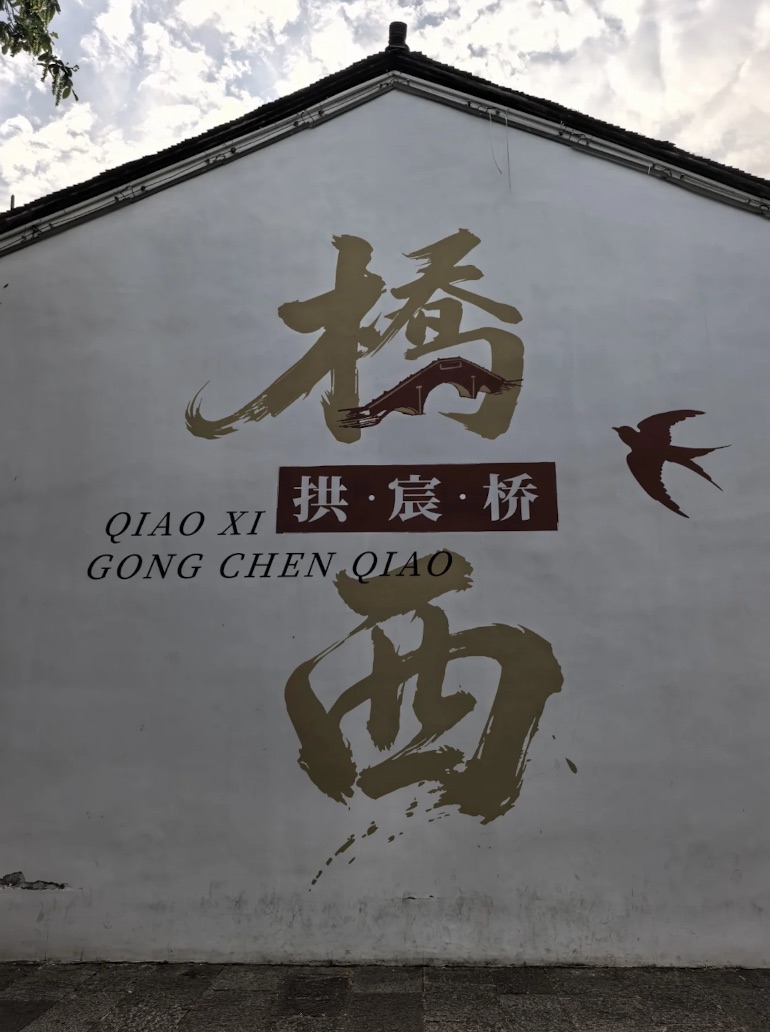
Qiaoxi Historical and Cultural Block lies on the west side of Gongchen Bridge and is a compact reflection of the thriving commerce and industry that once lined the Hangzhou section of the canal in the late Qing and early Republican periods. The block stretches in a ribbon along the water, preserving historic cocoon warehouses, storehouses, residences, and shops. Cobblestone lanes, horse-head gables, and overhead arcades remain intact. Former factories and warehouses have now been converted into museums, bookshops, teahouses, and craft studios, creating a slow-paced canal neighbourhood where traditional character and contemporary life interweave.
China Umbrella Museum
China Umbrella Museum is the only museum in China devoted entirely to umbrella culture. Located within Qiaoxi Historical and Cultural Block, it presents a systematic overview of the origin of umbrellas, their craftsmanship, the evolution of materials, and umbrella culture both at home and abroad, ranging from Neolithic rain shelters to contemporary craft umbrellas. The museum recreates a traditional oil-paper umbrella workshop where visitors can watch up close the handwork of paper covering, painting, and oiling, gaining an appreciation for the ingenuity and poetry behind a single Jiangnan oil-paper umbrella.
China Knives, Scissors and Swords Museum
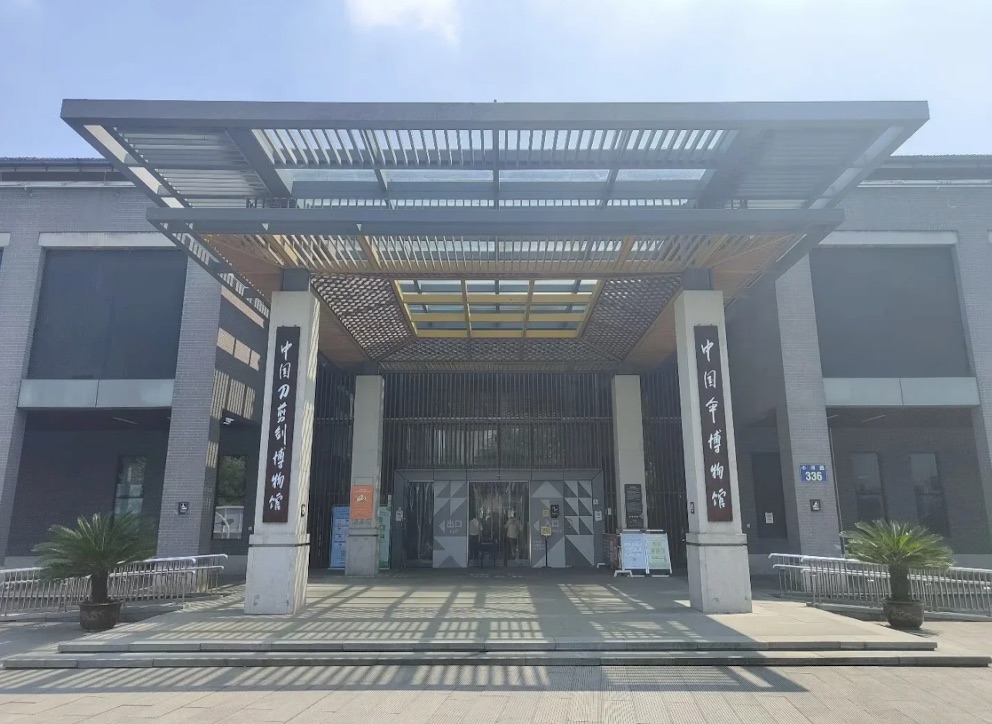
China Knives, Scissors and Swords Museum is themed around "knives, swords, and scissors." It focuses on the history of Chinese cold weapons and tools, as well as the culture of Hangzhou's renowned Zhang Xiaoquan scissors. The collection ranges from Neolithic stone knives and axes, through Shang and Zhou bronze swords and Han-Tang ring-pommel sabres, to civil scissors of the Ming, Qing, and Republican periods, presenting a clear historical thread. The museum also includes an interactive forging workshop that introduces traditional processes such as metal forging, edge grinding, and assembly.
China Fan Museum
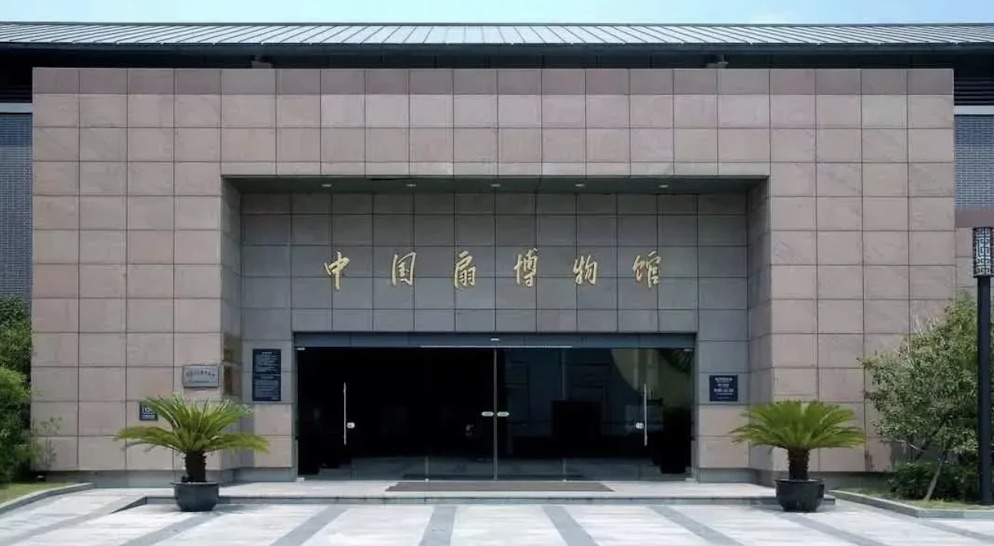
China Fan Museum, located in Qiaoxi Historical and Cultural Block, is China's first museum dedicated to fan culture. Its displays cover the origin, materials, craftsmanship, and painting and calligraphy art of Chinese fans, with a focus on representative schools such as Hangzhou fans, Suzhou fans, and Guangdong fans. Visitors can admire fine examples of sandalwood fans, silk palace fans, and white-paper fans, and learn through video and objects about the complex crafts of fan painting, calligraphy, and rib carving.
Hangzhou Arts and Crafts Museum
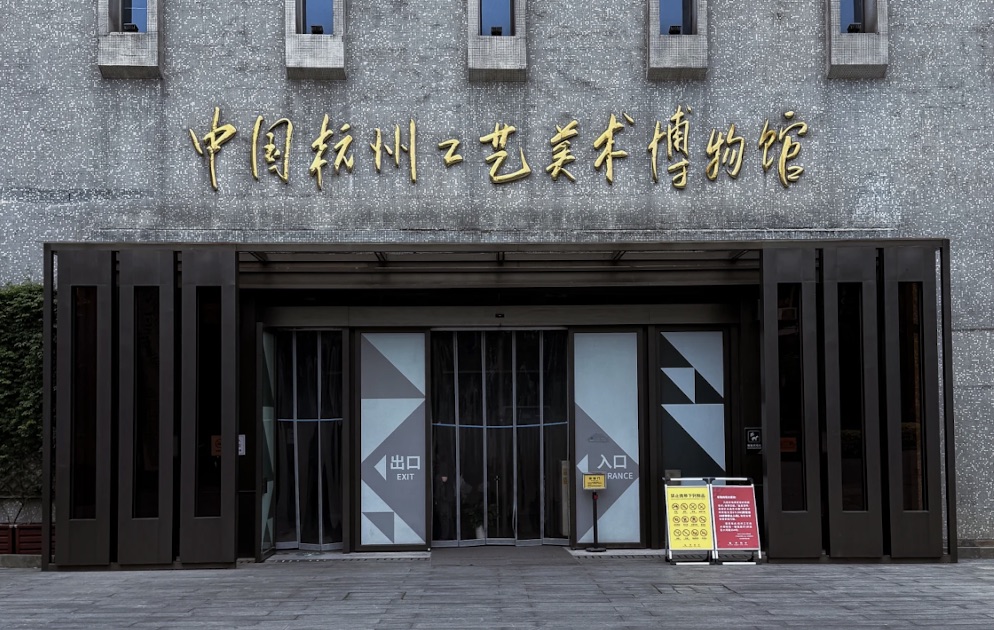
Hangzhou Arts and Crafts Museum is housed in the converted former Honglei Silk Weaving Factory in Qiaoxi. It is a comprehensive venue for displaying traditional Hangzhou arts and crafts. The museum brings together national and provincial intangible cultural heritage items such as Xiaoshan lace, West Lake silk umbrellas, Zhang Xiaoquan scissors, Wang Xingji fans, Hangzhou embroidery, and Southern Song Guan ware. It also hosts master studios and regular hands-on workshops, serving as a central window for understanding the "hundred crafts" of Hangzhou.
Zhang Daxian Temple
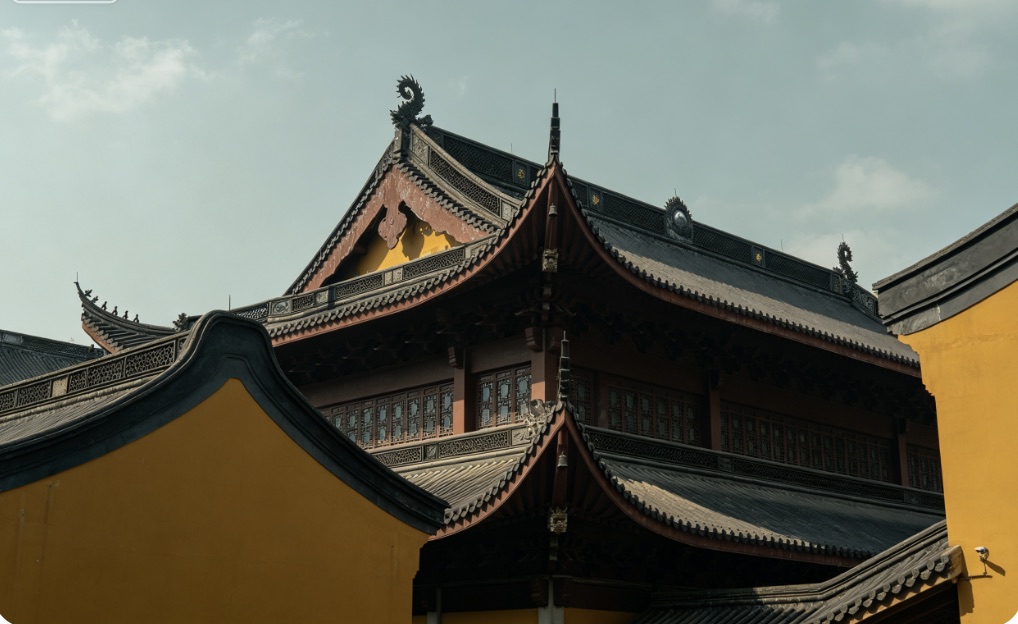
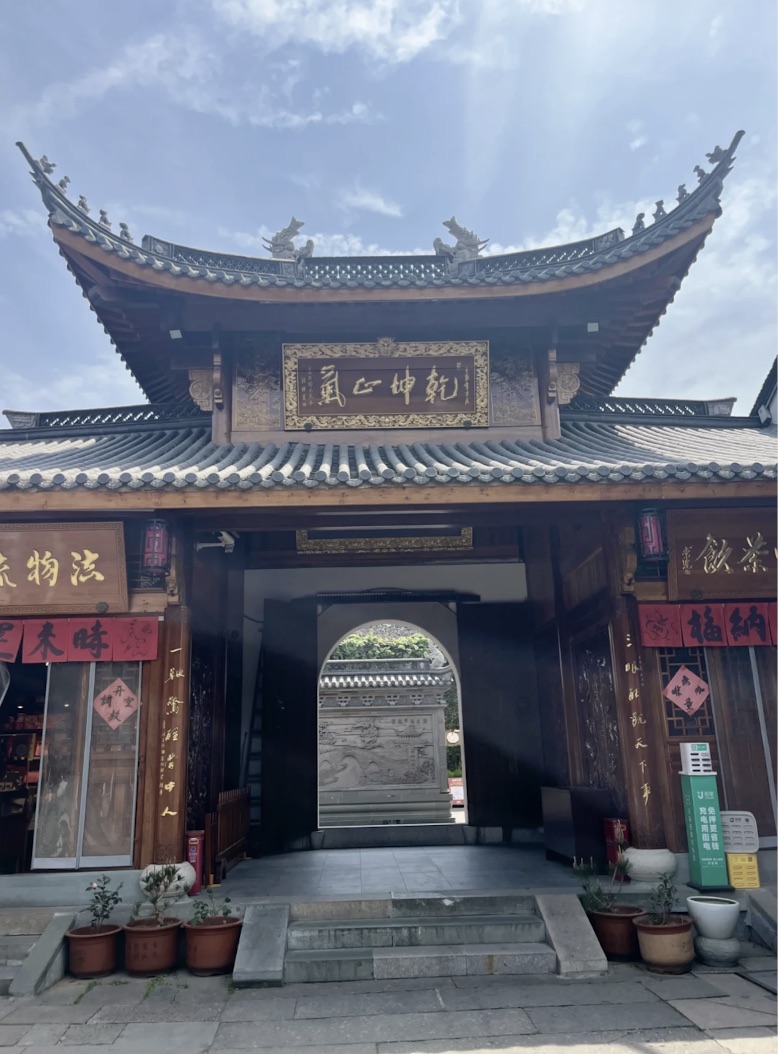
Zhang Daxian Temple stands on the north-east side of Gongchen Bridge. First built in the Qing dynasty, it is dedicated to the Ming-dynasty Daoist Zhang Shenggui. Legend says Zhang practised medicine and saved lives in Hangzhou, and after his death he was revered by local people as an immortal who protected the community. The temple faces the canal and, though modest in scale, preserves a typical Jiangnan shrine layout. Its wood carvings and murals display the folk-art style of the late Qing period, making the temple an important religious relic and community memory space on the east side of the bridge.
Xiaohe Park
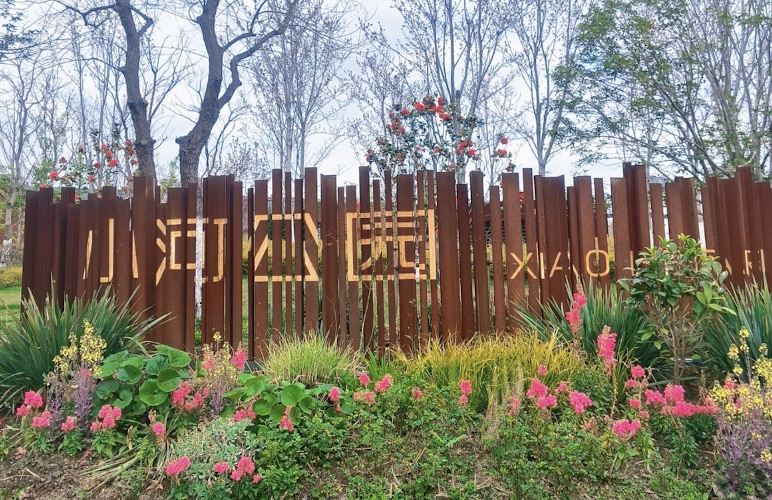
Xiaohe Park lies to the west of Gongchen Bridge, at the southern end of Xiaohe Straight Street Historical Block. It was recently transformed from a former Sinopec oil depot into a waterfront park. Large oil tanks, gantry cranes, and steel pipe galleries have been preserved as industrial heritage and converted into public leisure space through landscaping, walkways, viewing platforms, and art installations. When evening lights come on, the metal tanks reflect on the canal water, making the park a representative example of Hangzhou's adaptive reuse of industrial heritage.
Fuyi Granary
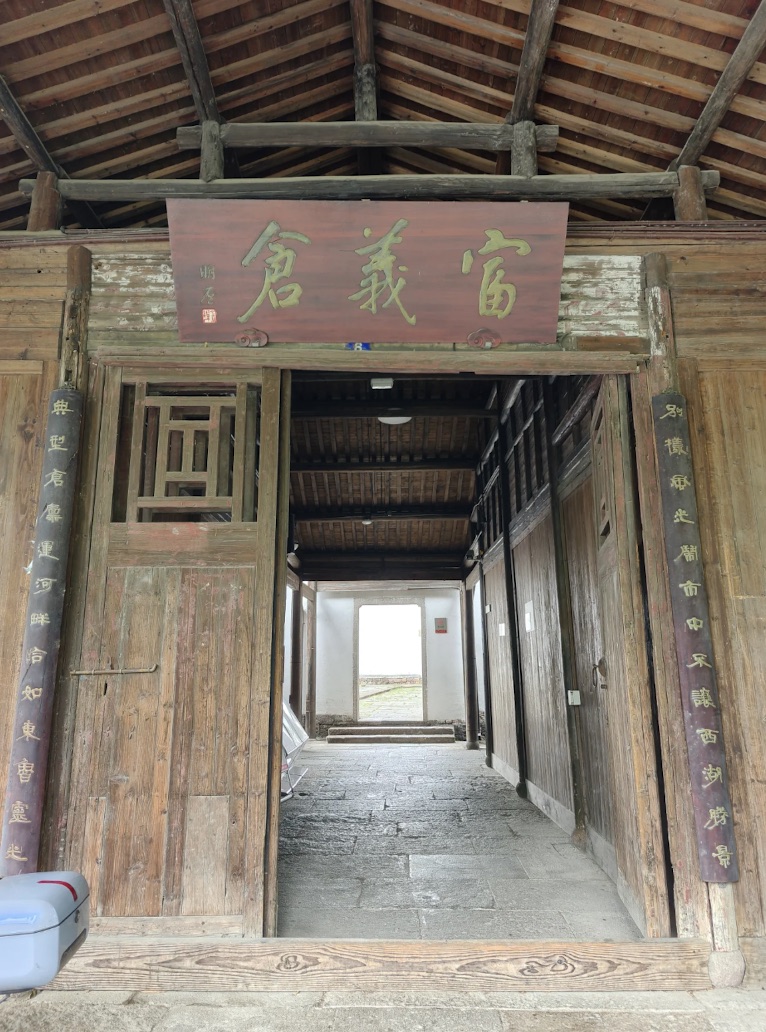
Fuyi Granary stands at the confluence of the Beijing-Hangzhou Grand Canal and Shengli River. Built in 1880 during the Guangxu reign of the Qing dynasty, it is the only surviving grain depot of the canal transport system in Hangzhou and is paired with Beijing's Nanxin Granary as one of the "granaries of the empire." The granary buildings follow the slope of the land, with white walls, black tiles, and hard gable roofs. Originally consisting of four rows of storage buildings, part of the complex has now been restored as a grain-culture exhibition space and creative-industry park. Fuyi Granary witnessed the Qing-dynasty national logistics system that shipped grain from south to north, and it is an important physical relic for studying ancient China's canal transport and storage architecture.
10 stops, in walking order — read top to bottom, no clicking needed.

 2
 3
 4
 6
 7
 8
 9
 10